No products in the cart.

Tuskegee University Bans Bonnets, Students Challenge Policy

Tuskegee University has banned bonnets and durags, igniting a debate on cultural expression among students. This policy reflects a broader trend at HBCUs where students challenge dress codes that clash with their cultural identity.

Tuskegee University in Alabama has recently implemented a ban on bonnets and durags, a decision that has ignited significant debate among students regarding cultural expression and identity. Announced on August 5, 2026, this policy has led many students to voice their concerns, arguing that the ban is unnecessary and misaligned with the university’s cultural heritage.
Students at Tuskegee, a prominent Historically Black College and University (HBCU), express confusion and frustration over the new dress code. They contend that bonnets and durags are not merely fashion items; they are integral to their cultural identity and personal expression. This backlash underscores students’ worries about how administrative policies can clash with their cultural practices.
Cultural Significance of Bonnets and Durags
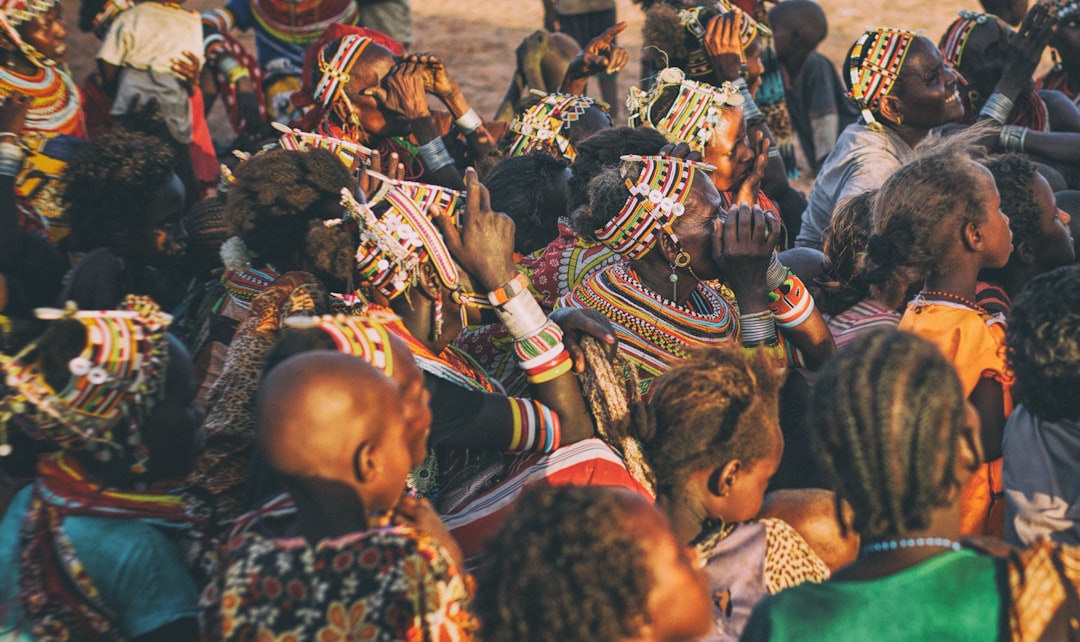
Bonnets and durags hold deep cultural significance within the African American community. Historically, these garments serve to protect hairstyles and maintain hair health, while also symbolizing identity and resistance against cultural appropriation. Wearing a bonnet or durag connects individuals to their roots and fosters self-acceptance in a society that often marginalizes Black culture.
The backlash at Tuskegee University is not an isolated incident; it reflects a broader trend at HBCUs where students are increasingly challenging dress codes that they perceive as infringing on their rights to express their cultural identity. Many students view the ban as an attempt to impose a standard that does not reflect the diversity of the student body. As students unite to express their opinions, the situation highlights the importance of understanding cultural context when creating policies that affect student life.
Moreover, the significance of these garments extends beyond personal choice. They are often linked to cultural pride and community solidarity. By banning such attire, the university risks alienating students who feel their cultural expressions are undervalued. This policy may create a divide between the administration and the student body, potentially leading to a loss of trust and engagement.
By banning such attire, the university risks alienating students who feel their cultural expressions are undervalued.
In response to the ban, students have taken to social media platforms like Facebook to express their discontent. They are using these platforms to share their thoughts and organize discussions about the implications of the dress code. Many students are gathering support and raising awareness about the importance of cultural attire in their lives.
Student Activism and Administrative Response
In light of the dress code ban, students at Tuskegee University have organized protests and discussions. Many feel misunderstood by the administration, which they believe does not grasp the significance of cultural attire. For these students, the ban represents a broader issue of cultural erasure and a lack of representation in institutional policies.
Students argue that dress codes often disproportionately affect marginalized groups. Historically, these codes have enforced conformity and suppressed individuality, particularly among students of color. The situation at Tuskegee raises critical questions about who defines acceptable attire and how these definitions impact student experiences.
Research indicates that student responses reflect a growing trend of activism among young people in educational institutions. Students are increasingly willing to challenge policies they perceive as unjust or discriminatory. This activism extends beyond clothing; it advocates for cultural recognition and respect within academic settings.
As students mobilize, they seek dialogue with university officials to discuss the implications of the dress code. Many are advocating for a reconsideration of the policy, pushing for an inclusive approach that recognizes the cultural significance of attire. This desire for dialogue emphasizes the importance of communication between students and administration in fostering a supportive campus environment.
Many students perceive these policies as attempts to suppress their cultural expressions and reinforce a Eurocentric standard of professionalism.
Historical Context of Dress Codes in Education
The history of dress codes in education is fraught with controversy and cultural implications. Traditionally, dress codes aimed to promote discipline and uniformity; however, they have often been criticized for perpetuating systemic inequalities. These policies have frequently targeted students of color, leading to accusations of racial bias and discrimination.
At HBCUs, where cultural identity is vital to student life, strict dress codes can be particularly contentious. Many students perceive these policies as attempts to suppress their cultural expressions and reinforce a Eurocentric standard of professionalism. This tension highlights the need for educational institutions to reevaluate their dress codes and consider their cultural implications.
According to a report from College Factual, diversity and inclusion are crucial to the educational experience at HBCUs. Institutions like Tuskegee University must ensure their policies reflect the values of their student body. By understanding the historical context of dress codes, universities can better navigate the complexities of cultural expression and identity.
As the debate continues, it is essential for Tuskegee University to engage with its students and consider their perspectives. Student voices should inform policy decisions, ensuring the university remains a place where cultural expression is celebrated rather than stifled.
Frequently Asked Questions
What are the reasons behind dress codes at HBCUs?
Dress codes at HBCUs aim to promote professionalism and discipline. However, they can also reflect societal norms that may not align with the cultural values of the student body.
They argue that items like bonnets and durags are essential to their cultural heritage and should be respected in education.
How do students feel about dress codes affecting their cultural expression?
Many students believe dress codes infringe on their cultural expression and identity. They argue that items like bonnets and durags are essential to their cultural heritage and should be respected in education.
What should students do if they disagree with dress code policies?
Students should voice their concerns through organized discussions, protests, and dialogue with university officials. Engaging in constructive conversations can help bridge the gap between students and administration.
Related Articles
Written by Career Ahead AI. AI can make mistakes, so verify key facts. Report errors to support@careeraheadonline.com.