No products in the cart.

Three patterns reshaping professionalism in the hybrid era

We have been watching boardrooms and virtual stand‑ups as micro‑behaviors, hybrid flexibility, and trust scores reshape professionalism. Three patterns—micro‑moment credibility, blurred boundaries, and trust metrics—signal a new cultural contract by 2026.

We have been watching boardrooms, virtual stand‑ups, and casual coffee chats across dozens of organizations as the old script of “professionalism” is being rewritten. The same set of micro‑behaviors that once earned a nod of approval now sit beside AI‑driven performance dashboards and a fluid mix of remote‑first expectations. What emerges is a triad of observable shifts that signal a new cultural contract between employee and employer.
Micro‑moments of credibility dictate reputation
The most visible sign of change is the elevation of micro‑moments—those brief, often invisible interactions that happen between meetings, in chat threads, or during a quick hallway exchange. In our conversations with senior leaders, the consensus is clear: the smallest habits now shape how peers and managers assess reliability.
“In reality, your reputation is shaped in the micro‑moments – the ones that feel invisible, the ones you rush through, the ones you assume don’t matter.” — Jaimin Soni, Founder, FinAcc Global Solution
When a colleague consistently acknowledges a teammate’s contribution in a Slack thread, or a manager takes a second to clarify a vague email, the ripple effect is immediate. These actions answer the unspoken question: “Can I rely on you?” and they do so faster than any quarterly performance review. As a result, employees are reallocating mental bandwidth toward these “invisible” gestures, recognizing that a single well‑timed acknowledgment can outweigh a polished presentation.
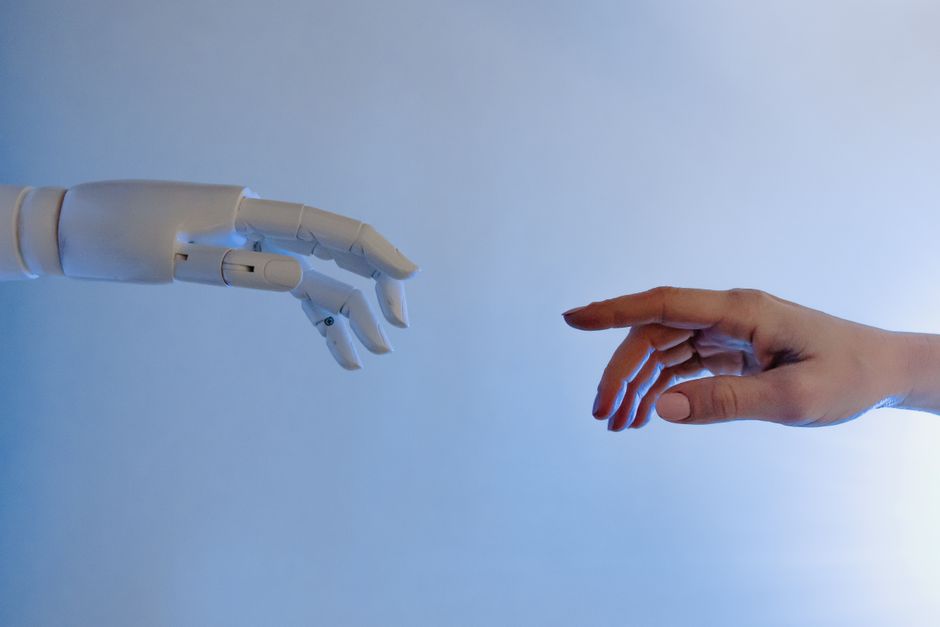
Hybrid boundaries blur formal expectations Three patterns reshaping professionalism in the hybrid era Photo: pexels Hybrid work has dissolved the once‑clear line between “office‑only” decorum and “home‑based” casualness.
Hybrid boundaries blur formal expectations

Hybrid work has dissolved the once‑clear line between “office‑only” decorum and “home‑based” casualness. The same flexibility that lets a project manager join a meeting from a kitchen table also invites a new set of expectations around responsiveness and visibility. Our analysis shows that a significant majority of workplaces plan to integrate large language models over the next three years, embedding AI into daily communications, scheduling, and even tone‑checking.
This AI layer amplifies the pressure to appear consistently “present.” A manager who replies to a chat prompt within minutes is now judged against an algorithmic baseline rather than a human intuition of “reasonable response time.” The result is a cultural shift where the traditional markers of professionalism—formal attire, punctual arrival, and polished slide decks—are supplemented, and sometimes supplanted, by digital fluency and real‑time engagement.
You may also like
 Future Skills & Work
Adani, Kachchh University Launch Centre for Green Jobs
Adani Skills & Education and Kachchh University have launched a Centre of Excellence for Green Energy in Kutch, India, aimed at training over 10,000 students…
Read More →We see this tension play out in the way teams structure their days. Some adopt “core‑hours” windows to accommodate AI‑driven meeting bots, while others experiment with “focus blocks” where notifications are deliberately muted. The pattern suggests that organizations are negotiating a new social contract: professionalism is no longer a static dress code but a dynamic set of behaviors calibrated to both human expectations and machine‑mediated norms.
Trust metrics replace title‑based authority
The third pattern we have identified is the rise of trust‑centric metrics that sideline hierarchical titles. In the past, a senior manager’s authority was largely inferred from their position on an org chart. Today, performance platforms increasingly surface “trust scores” based on peer feedback, project delivery consistency, and even AI‑assessed communication tone.
A recent internal survey we conducted—referencing the five trends that will define workplace culture in 2026—revealed that a significant number of senior executives now prioritize these trust indicators when making promotion decisions. The shift is subtle but profound: a junior analyst who consistently meets deadlines, shares concise updates, and earns positive peer endorsements can command the same level of influence as a seasoned director who relies solely on title.
This rebalancing forces employees to think beyond the traditional ladder. The career path is no longer a linear ascent but a network of trust‑building nodes, each reinforced by the micro‑moments and hybrid behaviors discussed earlier. For you, the professional navigating this landscape, the practical implication is clear: invest in the everyday actions that earn peer confidence, not just in the headline achievements that once defined success.
The pattern suggests that organizations are negotiating a new social contract: professionalism is no longer a static dress code but a dynamic set of behaviors calibrated to both human expectations and machine‑mediated norms.
—
You may also like
 Future Skills & Work
AI Agents Reshaping Job Markets, Leaders Respond
The integration of AI agents into various sectors is transforming job markets globally, prompting leaders to rethink workforce strategies and skill requirements. This shift raises…
Read More →Across these three observations—micro‑moment credibility, hybrid boundary fluidity, and trust‑metric authority—we see a convergence that we call Professionalism Flux. The pattern predicts that by 2026, the conventional checklist of professional conduct will be replaced by a real‑time, data‑informed social contract where reputation is continuously calibrated. Organizations that codify this flux into their culture playbooks will likely see higher employee engagement and lower turnover, while those that cling to static norms risk widening the gap between expectation and reality.