No products in the cart.

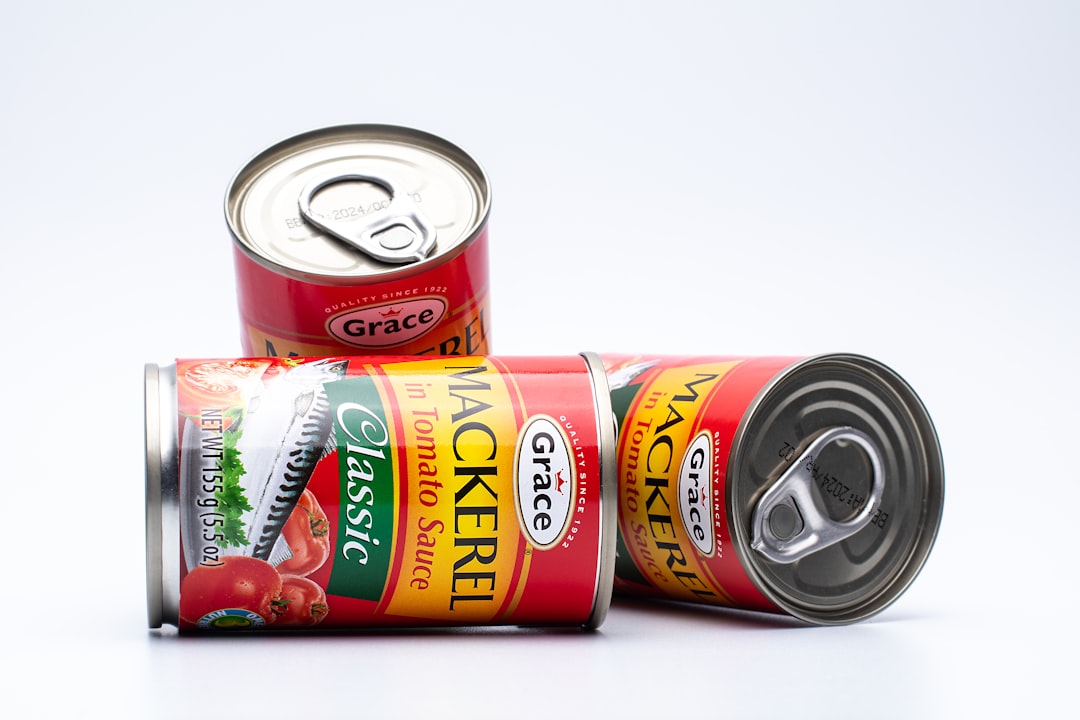
Tinned Mackerel Labels Exposed

Food experts have noted that jack mackerel, while cheaper, is nutritionally inferior to Atlantic mackerel. The substitution has been described as an example of "skimpflation," where consumers unknowingly receive a lower-quality product at the same price. The change in labeling practices has prompted calls for increased scrutiny on seafood labeling.

Recent changes in tinned mackerel labeling have raised concerns about seafood quality. Major brands, like Princes and some supermarket labels, are replacing traditional Atlantic mackerel with jack mackerel due to declining fish stocks. This shift has sparked a debate about transparency in food labeling and consumer trust.
Food experts note that jack mackerel is cheaper but nutritionally inferior to Atlantic mackerel. This substitution is an example of “skimpflation,” where consumers unknowingly receive lower-quality products at the same price. The change in labeling practices has led to calls for better seafood labeling to protect consumers from being misled. A report by The Guardian states that this issue reflects broader trends in the food industry, where profit margins are prioritized over product quality.
Regulatory Compliance and Consumer Protection
The shift from traditional mackerel to jack mackerel highlights serious regulatory compliance issues in the food industry. The Department for Environment, Food and Rural Affairs (DEFRA) has changed labeling rules, allowing jack mackerel to be sold without clear distinctions from traditional mackerel. This has raised concerns among regulators about whether existing rules adequately protect consumers from misleading practices. A report by the Marine Conservation Society emphasizes that overfishing of Atlantic mackerel has created critical shortages, making sustainable sourcing practices more urgent than ever.
Weak labeling requirements can lead to widespread consumer deception. As brands like Lidl and Princes switch to cheaper alternatives, regulators must enforce clearer labeling practices to prevent misrepresentation. The lack of clear guidelines affects consumer trust and poses risks to public health, as consumers may not know the nutritional differences between the species. Food quality assurance specialists face pressure to ensure compliance with changing regulations, adapting their quality control processes to address changes in product formulations and labeling.
A report by the Marine Conservation Society emphasizes that overfishing of Atlantic mackerel has created critical shortages, making sustainable sourcing practices more urgent than ever.
Consumer Expectations and Industry Response
As consumers become more aware of these changes, they expect transparency in food labeling. Companies that do not provide clear product information risk losing customer loyalty. This shift in consumer behavior may push food producers to prioritize transparency and quality assurance. The Dailymail has reported on consumer outrage regarding these practices, with many shoppers feeling deceived when they find that the product they bought does not meet their expectations based on past experiences with traditional mackerel.
Health Implications of Substitution
You may also like
 News
NewsBloomberg This Weekend 10/4/2026
The launch comes at a time when media consumption patterns are rapidly changing. Viewers increasingly prefer on-demand content and real-time updates, prompting networks like Bloomberg…
Read More →The substitution of jack mackerel for traditional mackerel has raised consumer awareness about seafood sourcing. Many shoppers may not realize they are buying a different species until they notice the taste and nutritional differences. This lack of awareness can lead to disappointment among consumers who expect certain standards from their food. Recent reviews from seafood critics highlight the stark differences between the two fish species, especially in flavor and health benefits. Jack mackerel has much lower levels of omega-3 fatty acids compared to Atlantic mackerel, which is crucial for heart health. As consumers become more health-conscious, this difference could affect their buying choices.
Research suggests that the ongoing substitution trend may change seafood purchasing habits. Consumers are likely to seek brands that prioritize sustainable sourcing and clear labeling. This shift offers food producers a chance to stand out in a competitive market by emphasizing quality and ethical sourcing practices. According to TinCanFish, consumers are increasingly choosing brands that provide clear information about their products, including sourcing and nutritional content.
Collaboration for Clearer Guidelines
In light of these developments, food industry regulators and quality assurance specialists must collaborate to create clearer guidelines for labeling and sourcing seafood products. By addressing these issues proactively, the industry can rebuild consumer trust and ensure seafood products meet expected quality and sustainability standards. As the seafood industry faces these challenges, the future of tinned fish products is uncertain. Will consumers continue to support brands that prioritize transparency, or will lower prices overshadow quality concerns? The answers to these questions will shape seafood sourcing in the coming years.
Frequently Asked Questions
What are the common mislabeling issues in seafood products?
Common mislabeling issues in seafood include substituting cheaper fish species for more expensive ones without proper disclosure. For example, traditional mackerel is being replaced with jack mackerel, which has different taste and nutritional profiles.
Collaboration for Clearer Guidelines In light of these developments, food industry regulators and quality assurance specialists must collaborate to create clearer guidelines for labeling and sourcing seafood products.

How can seafood quality assurance specialists ensure compliance?
Seafood quality assurance specialists can ensure compliance by monitoring labeling practices and conducting regular audits of suppliers. They must also stay updated on regulatory changes to maintain transparency and protect consumer trust.
What should food industry regulators do about seafood labeling discrepancies?
Food industry regulators should enforce stricter labeling requirements to prevent misleading practices. This includes ensuring all seafood products are accurately labeled with clear information about their species and sourcing practices.
You may also like
 News
NewsJobs Slow but Inflation Keeps Fed on Alert
In September, the economy added just 150,000 jobs, a stark contrast to the 200,000 jobs analysts had predicted. This slowdown comes amid ongoing inflationary pressures,…
Read More →