No products in the cart.

Alstom to build new battery-electric train fleet | Career Outlook
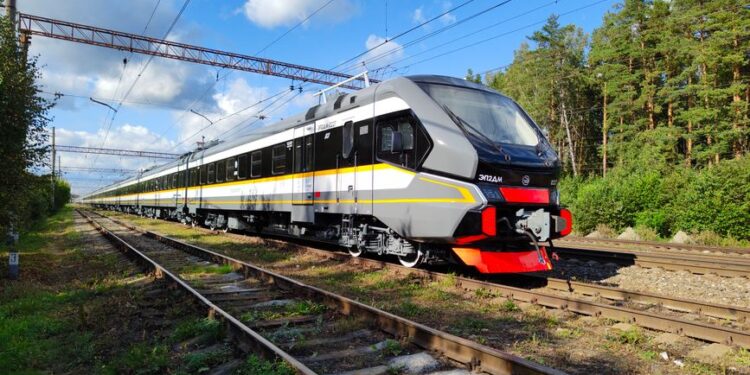
This investment of nearly £1 billion will not only support over 350 jobs at Alstom's factory in Derby but also generate an estimated 6,000 jobs across the UK supply chain.

UK — Alstom has announced plans to build a new fleet of battery-electric trains, marking a pivotal moment in the future of rail transport. The initiative, backed by the UK government, aims to enhance sustainability in the rail sector while creating thousands of jobs. The 29 new Adessia Stream trains are set to begin construction in 2028, with the first units entering service by 2034.
This investment of nearly £1 billion will not only support over 350 jobs at Alstom’s factory in Derby but also generate an estimated 6,000 jobs across the UK supply chain. The announcement has been met with enthusiasm from industry leaders, who see it as a significant step towards a greener future for rail travel. Prime Minister Andy Burnham emphasized that these new trains would deliver “faster, more reliable journeys to the north and thousands of British jobs for the next generation” (BBC News, 2026).
Advancements in Battery-Electric Train Technology
The development of battery-electric trains is a crucial advancement in the effort to reduce carbon emissions in the transportation sector. These trains will operate on sections of the railway that are not electrified, using battery power to eliminate the need for diesel engines. This shift aligns with the UK government’s commitment to achieving net-zero emissions by 2050.
According to Career Ahead research, the introduction of these trains will lead to faster, quieter, and more reliable journeys across key routes in northern England. The trains will not only boost capacity by 30% but will also cut journey times significantly—up to 10 minutes between Manchester and Leeds and 14 minutes between Manchester and York. Such improvements are expected to enhance the overall travel experience for passengers.
Furthermore, the Adessia Stream trains are designed with modern features that emphasize accessibility and comfort. These include step-free boarding, increased luggage space, and onboard Wi-Fi. The focus on user experience is likely to attract more passengers to rail travel, further supporting the case for sustainable transport solutions. The UK Department for Transport has indicated that these advancements will play a vital role in the TransPennine Route Upgrade, which aims to improve connectivity across northern England (Railway News, 2026).
The integration of these technologies is expected to create a ripple effect throughout the industry, necessitating ongoing training and development for current and future engineers.
As the technology evolves, rail engineers will need to adapt to the new systems and processes that come with battery-electric operations. This shift will require a new set of skills and knowledge, particularly in integrating battery technology into existing rail infrastructure. Engineers will also need to be proficient in managing the lifecycle of battery systems, ensuring they are maintained and replaced efficiently to maximize performance and sustainability.
You may also like
 Industry & Global Trends
Real estate exposure without buying a flat
REITs have emerged as a popular option for investors looking to gain exposure to commercial properties. They are structured to collect funds from multiple investors,…
Read More →Career Ahead analysis finds that the demand for expertise in battery technology and sustainable transport solutions will rise significantly. Rail engineers will need to focus on understanding battery management systems, energy efficiency, and the maintenance of electric train systems. The integration of these technologies is expected to create a ripple effect throughout the industry, necessitating ongoing training and development for current and future engineers.
Project Management Opportunities in Rail Transport
The launch of the new battery-electric train fleet opens up numerous project management opportunities within the rail sector. As construction begins in 2028, project managers will be essential in overseeing the development, ensuring that timelines and budgets are met while maintaining quality standards.
Given the scale of the project, which involves collaboration with various stakeholders—including government bodies, suppliers, and engineering teams—effective communication and coordination will be paramount. Project managers will need to navigate complex logistics, from sourcing materials to managing the workforce involved in the production and assembly of the new trains. The ability to manage these transitions smoothly will be crucial for minimizing disruptions to current rail services.
Additionally, as the UK transitions to battery-electric trains, project managers will play a critical role in implementing the necessary infrastructure upgrades. This includes installing charging stations and retrofitting existing rail lines to accommodate the new technology. The focus on sustainability will require project managers to integrate environmentally friendly practices into their operations. This may involve selecting suppliers who prioritize sustainable materials and processes, as well as implementing strategies to reduce waste during construction.

As the project unfolds, the ability to adapt to new technologies and methodologies will be essential for success in this dynamic environment.
Career Ahead’s analysis indicates that project managers with experience in sustainable practices and renewable technologies will be highly sought after in the coming years. Those who can demonstrate expertise in green project management will have a competitive edge in the evolving rail industry. As the project unfolds, the ability to adapt to new technologies and methodologies will be essential for success in this dynamic environment.
You may also like
 Industry & Global Trends
IT Earnings: Deals Surge, Growth Slows
The Indian IT sector is grappling with a decline in revenue growth despite strong deal activity, raising concerns about job security and the need for…
Read More →The introduction of the Adessia Stream trains presents unique challenges and opportunities for battery technology specialists. As these trains rely on advanced battery systems, specialists will be integral to the development and maintenance of these technologies. Battery technology specialists must stay abreast of the latest advancements in energy storage solutions. This includes understanding lithium-ion technology, as well as emerging alternatives that may offer greater efficiency and sustainability. The ability to innovate and improve battery performance will be essential as the demand for electric trains increases.
Moreover, specialists will need to collaborate closely with rail engineers and project managers to ensure that battery systems are seamlessly integrated into the trains. This collaboration will require a strong understanding of both electrical engineering and rail transport systems. As the sector evolves, Career Ahead research finds that battery technology experts will also need to focus on lifecycle management of battery systems. This includes ensuring that batteries are recycled or disposed of responsibly at the end of their life, aligning with the broader goals of sustainability in transportation.
The future of battery-electric trains in the UK is bright, but it will demand a workforce that is skilled, adaptable, and forward-thinking. As the rail industry embraces these advancements, professionals in related fields must prepare for a landscape that prioritizes innovation and sustainability. The announcement of Alstom’s battery-electric train fleet not only signals a shift in transportation but also highlights the evolving roles within the rail industry. As the project unfolds, it will be crucial for professionals to stay informed and adaptable to leverage the opportunities that arise in this transformative era.
Frequently Asked Questions
What skills are needed for rail engineers working on battery-electric trains?
Rail engineers will need to develop skills in battery management systems, energy efficiency, and electric train maintenance. Understanding the integration of battery technology into rail infrastructure will be essential for successful operations.
Rail engineers will need to develop skills in battery management systems, energy efficiency, and electric train maintenance.
How can transportation project managers prepare for the upcoming changes in rail technology?
Transportation project managers should focus on enhancing their knowledge of sustainable practices and green project management. Familiarity with renewable technologies will be beneficial as the rail sector moves towards battery-electric solutions.

What should battery technology specialists know about the new Adessia Stream trains?
You may also like
 Industry & Global Trends
North Sea Oil Strikes Threaten UK Fuel Supply Stability
A potential strike by North Sea oil workers could disrupt UK fuel supplies, highlighting labor relations issues in the energy sector as workers demand fair…
Read More →Battery technology specialists must stay updated on advancements in energy storage solutions and lifecycle management of battery systems. Collaboration with rail engineers and project managers will be key to ensuring successful integration of battery technologies.