No products in the cart.

TN Education Body Lifts Ban on Student Political Protests
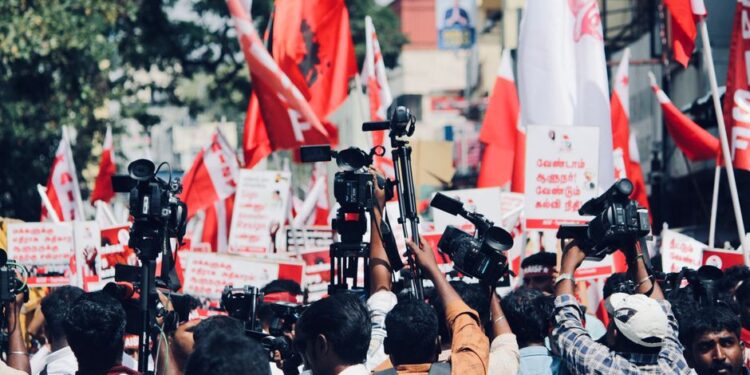
The previous circular had directed principals of government colleges to prevent students from joining protests organized by Left parties and the Karappanpoochi Janata Party.

Tamil Nadu, India — The Tamil Nadu Directorate of Collegiate Education has officially reversed its controversial circular that restricted students from participating in political protests. This decision, announced on August 19, 2026, allows students to engage freely in political activities, a move that has been widely welcomed by various student organizations and political leaders.
The previous circular had directed principals of government colleges to prevent students from joining protests organized by Left parties and the Karappanpoochi Janata Party. This directive faced significant backlash from political leaders and student groups, who argued that it violated students’ constitutional rights to peaceful assembly and political expression. The outcry highlighted a growing sentiment that educational institutions should not stifle political discourse.
Significance of the Policy Change for Student Activism
The lifting of the protest ban marks a pivotal moment for student activism in Tamil Nadu. Historically, students have played a crucial role in political movements across India, often leading protests on issues such as educational reforms and social justice. With the ban lifted, students can now mobilize and express their opinions without fear of repercussions, which is expected to energize student-led movements that have historically been catalysts for change in Indian society.
This shift aligns with a broader trend in India where educational institutions are increasingly recognizing the importance of student voices in democracy. The reversal of the ban may encourage more students to engage in political discourse, enhancing their civic engagement and awareness. Furthermore, the role of social media and public outcry in shaping educational policies has been underscored by this incident, as the criticism of the circular on various platforms prompted the government to reconsider its stance.
As students engage more in political discussions, we may witness a resurgence of student-led movements addressing critical issues such as education quality, job opportunities, and social justice. The Economic Times has reported that the ban’s reversal is expected to foster a vibrant political culture among students, allowing them to express their views on pressing social issues more freely.
As students engage more in political discussions, we may witness a resurgence of student-led movements addressing critical issues such as education quality, job opportunities, and social justice.
Challenges for Government College Principals
With the lifting of the protest ban, government college principals in Tamil Nadu face a new landscape of student expression. This change necessitates a reevaluation of policies regarding student activities. Principals must now foster an environment that encourages dialogue and political participation while maintaining academic integrity.
You may also like
 Education & University Insights
Chennai Colleges Introduce New Courses in Data Science and AI
Chennai's government colleges are introducing new courses in data science and AI to attract students and align with industry demands. This reflects a broader trend…
Read More →Educational leaders are tasked with balancing academic discipline with the right to free expression. This shift may require principals to develop new strategies for managing protests. Instead of imposing restrictions, they should facilitate constructive discussions and ensure that students understand the importance of peaceful protest. This could involve creating platforms for students to voice their concerns and engage meaningfully with faculty.
Additionally, principals should actively engage with student organizations to better understand their concerns. By fostering collaborative relationships with students, institutions can create a more inclusive environment that values diverse perspectives and encourages active citizenship. Recent developments indicate a shift towards recognizing students as key stakeholders in education, which could enhance the overall educational experience.

Monitoring Institutional Responses to Political Engagement
The lifting of the ban may also lead to increased scrutiny of how institutions handle political activities. This could prompt broader discussions about student rights and governance in higher education. As student activism evolves, educational leaders must adapt to the changing dynamics of engagement.
Recent developments in Tamil Nadu highlight the ongoing tension between governance and student rights in India. The challenge lies in how institutions will adapt to this more open environment for student expression. As students mobilize and express their views, monitoring institutional responses will be crucial. This trend of increased political engagement may lead to lasting change in Tamil Nadu and beyond.
Recent developments indicate a shift towards recognizing students as key stakeholders in education, which could enhance the overall educational experience.
As Tamil Nadu’s students embrace their newfound freedom to protest, the potential for impactful movements grows. This active political engagement may lead to significant changes in local and national policies, particularly regarding education and youth issues.
Frequently Asked Questions
What are the implications of the protest ban withdrawal for college students in Tamil Nadu?
The withdrawal of the protest ban allows college students in Tamil Nadu to engage freely in political activism, enhancing their ability to express views on important social and political issues. This shift is expected to foster a more vibrant political culture among students.
How should government college principals respond to the new policy on student protests?
Government college principals should adapt their policies to support student expression and engagement, facilitating dialogues and understanding student concerns while maintaining academic integrity.
You may also like
 Education & University Insights
SC, ST Qualification Rates Soar; Women Reach Six-Year Peak
India's JEE Advanced 2026 results show significant progress in qualification rates for SC, ST, and women candidates, indicating a shift towards inclusivity in engineering education.
Read More →
What steps can college students take to engage in political activism effectively?
College students can participate in peaceful protests, join student organizations, and use social media to raise awareness about issues. Engaging with peers and forming coalitions can amplify their voices.