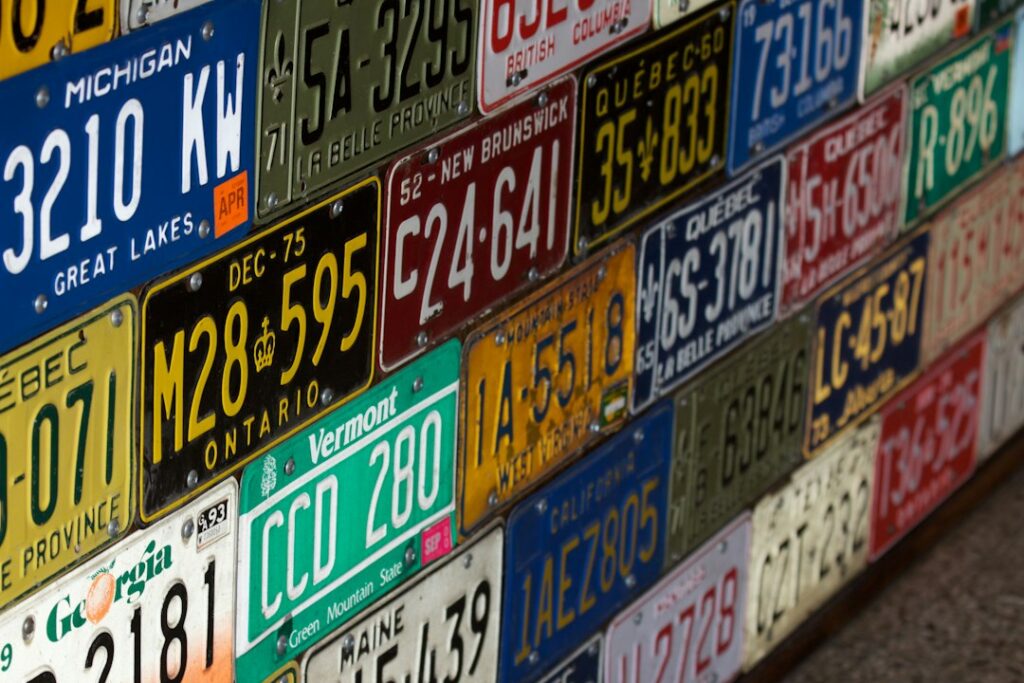
Emory University removed a dozen license plate–reading cameras from its Atlanta campus in September and declined to renew its contract with Flock Safety. The company sells and operates automatic license plate readers and other mass-surveillance technology.
Emory students challenged the cameras’ need and use
Tony Torres, a sophomore biology major at Emory and president of Emory Students for Socialism, said the cameras added surveillance without a clear need. “We made it very clear that these cameras were unneeded surveillance considering we already have regular security cameras,” he said. His concern focused on a campus that already had conventional security cameras, making the license plate readers an additional form of monitoring.¹
Through campus protests, petitions, meetings and teach-ins during the spring and summer, DeFlock Emory raised concerns about the devices. The group warned that opaque data-sharing agreements could leave undocumented students vulnerable. It also raised the possibility that institutions could use the cameras to retaliate against student protesters. Those concerns centred on who could access the collected information and how institutions might use it.¹
Students are pressing other universities to drop Flock
College students at Indiana University Bloomington, the University of Florida and the University of North Georgia are mobilizing to de-Flock their campuses. Their campaigns show that opposition to the cameras has reached universities beyond Emory. The organizing includes students seeking to remove Flock systems from campus, as well as efforts to persuade institutions to end their relationships with the company.¹
The group warned that opaque data-sharing agreements could leave undocumented students vulnerable.
 Education & University Insights
Jamia Orders Student Union Polls Within 15 Days of Constitution Approval
The order also revoked student suspensions and show-cause notices and provided for an inquiry into security staff conduct.
Read More →Cornell University announced last week that it had not renewed its contract with Flock Safety and would remove the cameras. Pennsylvania State University officials announced earlier this month that they planned to end their contract with Flock. Those announcements mark separate steps: Cornell had confirmed non-renewal and camera removal, while Pennsylvania State University had announced a plan to end its contract.¹

Flock technology is installed across different kinds of colleges
A recent study identified at least 150 institutions that employed the surveillance technology as of May. The count indicates that Flock cameras are present across a wide range of higher-education settings, not only at large research universities. The institutions identified include public universities, two-year colleges and liberal arts colleges, giving campus campaigns a broad field of potential targets.¹
Among the large public institutions identified were Ball State University in Indiana, Tarleton State University in Texas and the University of Tennessee. The list also included two-year colleges Hudson Valley Community College in New York and Jefferson College in Missouri. Claflin University in South Carolina was among the liberal arts colleges identified. The examples span several states and institutional types.¹
The cameras’ safety uses sit alongside data-sharing concerns
Flock cameras do not use facial recognition and cannot identify anyone inside a vehicle or determine whom a vehicle is registered to. Flock also assisted law enforcement in tracking, identifying and later finding the shooter who killed two students at Brown University in December. At the University of Illinois at Urbana-Champaign, a spokesperson said the university’s 20 license plate readers had been essential in investigating suicidal or missing persons, sexual assault cases, aggravated battery and vehicle theft.¹
Torin Monahan, a media and technology studies professor at the University of North Carolina at Chapel Hill, authored the recent study on how campus police use Flock. The study’s institution count provides a measure of how widely the technology has been adopted, while Monahan’s research focuses on its use by campus police. That use forms part of the debate raised by student campaigns over surveillance on college campuses.¹
 Education & University Insights
The Minnesota Daily Covers Immigration and University Cuts
The student paper’s newsroom has about 60 staff members. Church said he has stayed at work until the early morning, fuelled by water.
Read More →Investigative journalists discovered that Immigration and Customs Enforcement agents, with help from local and state police, were using Flock data to assist with removal and deportations. Flock clients can choose to share their data with nearby institutions and other police departments. That sharing option connects individual clients’ camera systems to other agencies, a practice that informs student concerns about opaque agreements and possible consequences for vulnerable groups.¹
Flock also assisted law enforcement in tracking, identifying and later finding the shooter who killed two students at Brown University in December.
Check Your Campus Surveillance Contracts
If you work in campus security, IT, or administration, review your institution's data-sharing agreements before renewing any surveillance vendor contract. The Emory case shows students can force removal, and Cornell and Pennsylvania State have already ended Flock contracts. Ask who can access the data and whether it could be used against vulnerable groups.¹
For students organizing, target institutions with Flock cameras, as at least 150 colleges use them. Campaigns succeeded at Emory, so focus on opaque agreements and retaliation risks. If you work in policy or advocacy, note that Flock data has aided deportations, making this a civil rights issue.¹
Sources
Written by Career Ahead AI. AI can make mistakes, so verify key facts. Report errors to support@careeraheadonline.com