

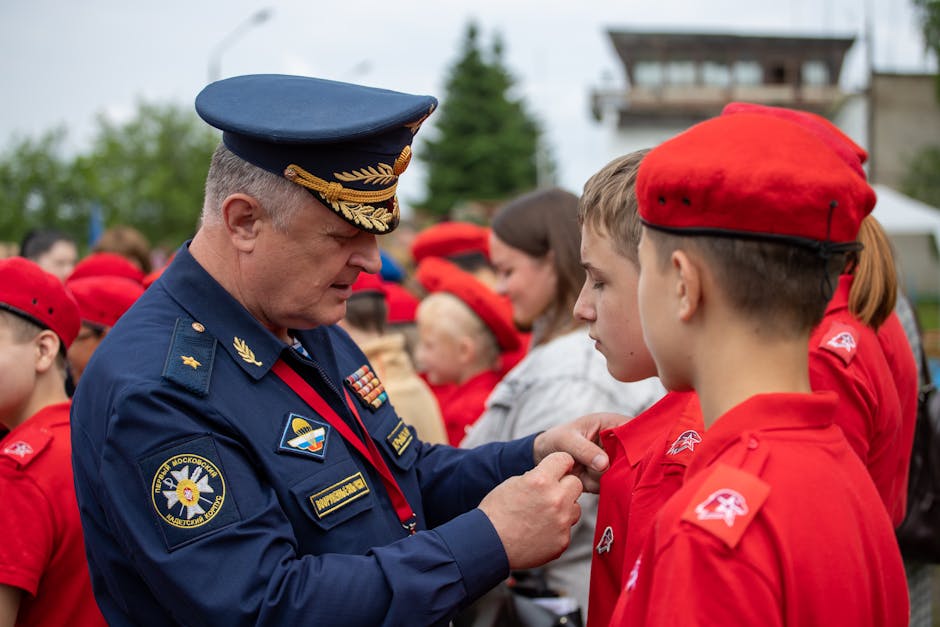
Moscow, Russia — In a significant shift in military recruitment strategy, Russia has begun targeting students to fill its drone force ranks. This move comes amid ongoing military needs due to the protracted conflict in Ukraine. Recruitment sessions have taken place at hundreds of universities across the nation, signaling a new approach to bolster its military capabilities.
Reports indicate that the military is looking to tap into the youthful energy and technological savvy of students. This demographic is seen as a vital resource as Russia seeks to enhance its operational effectiveness in the ongoing conflict.
Recruitment campaigns emphasize the benefits of military service, including educational opportunities and career prospects in technology. The military is positioning itself as a pathway for students to gain valuable skills in a rapidly evolving field. This strategy aims to fill immediate personnel gaps while fostering a generation of tech-savvy soldiers.
Innovative Recruitment Tactics Targeting Students
The recruitment sessions have been designed to appeal directly to students. They include presentations on the latest drone technology and demonstrations of their capabilities. Students are being shown how they can contribute to national security while also gaining hands-on experience in a high-demand field. The military is also utilizing social media platforms to reach students, creating content that highlights the excitement and importance of drone operations.
The emphasis on education and skill development is seen as a way to align military service with the aspirations of the younger generation.
Moreover, there are reports of the military offering incentives such as scholarships and job placements post-service. This approach aims to make military service more attractive to students who might otherwise choose civilian careers. The emphasis on education and skill development is seen as a way to align military service with the aspirations of the younger generation.
Ethical Concerns and Societal Implications
However, this strategy also raises ethical questions. Many students are concerned about the potential pressure to enter military service, especially given the current geopolitical climate. The prospect of being deployed to conflict zones is daunting, and this recruitment tactic may lead to a backlash among the student population. Critics argue that targeting students could exploit their vulnerabilities and uncertainties about their future. As the war continues, the long-term implications of this recruitment strategy remain uncertain.
 Career Guidance
How to Switch Industries Mid-Career Without Starting Over
Bridge roles can reduce risk, while targeted skills and industry-specific applications help you make the case for a new field.
Read More →This shift in recruitment strategy reflects broader societal changes in Russia. As the government seeks to maintain its military capabilities, it must also navigate the complexities of public perception and support. Engaging students in military service could lead to a generational shift in attitudes toward the armed forces. Furthermore, the reliance on student recruits highlights the growing importance of technology in modern warfare.
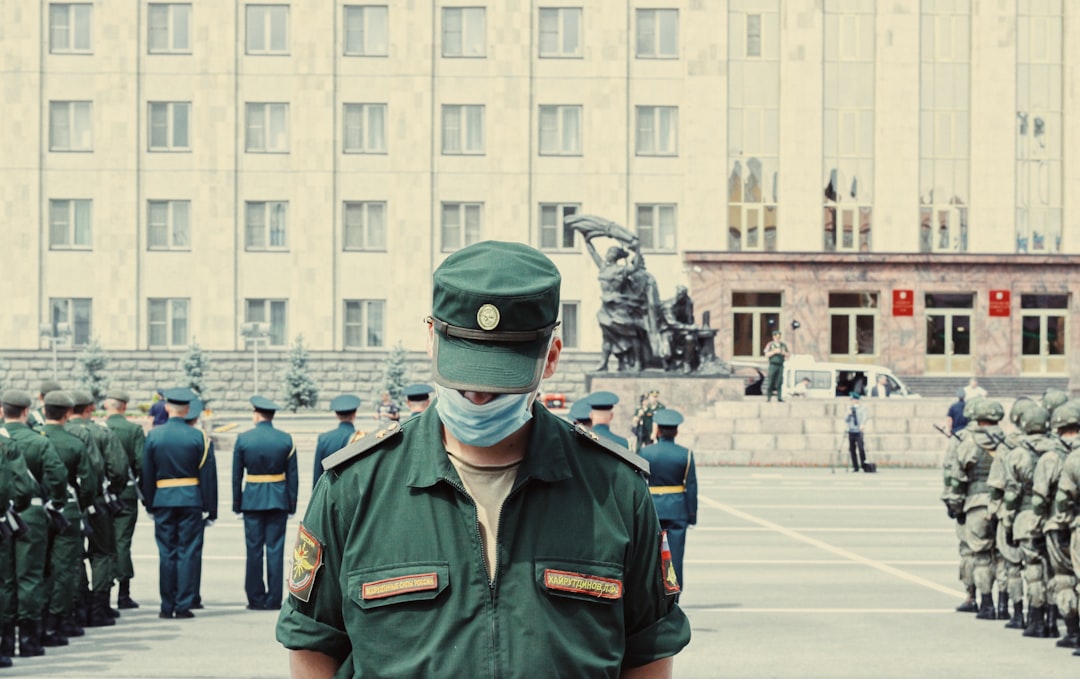
On the economic front, the recruitment of students into military roles may impact the job market. As more young people enter military service, there could be concerns about the availability of skilled workers in civilian sectors, particularly in technology and engineering. Additionally, the implications of this recruitment strategy extend beyond Russia’s borders. As the country continues to invest in drone technology, its military capabilities may pose new challenges for neighboring nations and global security. The international community will need to monitor how this shift affects regional stability.
The recruitment of students into military roles raises significant questions about the future of military service and education in Russia. As the government seeks to fill its ranks, it must balance the need for personnel with the ethical considerations of targeting young individuals at a pivotal stage in their lives. The consequences of this strategy could shape the landscape of military service for years to come.
The recruitment of students into military roles raises significant questions about the future of military service and education in Russia.
As Russia continues to develop its drone capabilities, the long-term effects of targeting students for recruitment will become clearer. Will this strategy yield the desired results, or will it lead to unforeseen challenges? The response from students and society at large will be crucial in determining the success of this new approach.
The implications of these recruitment efforts may extend beyond military readiness. They could redefine the relationship between education and military service in Russia, influencing how future generations view their roles in society and the armed forces. As the situation evolves, it remains to be seen how this strategy will play out on the ground.
 AI & Technology
Hyundai Launches Bayon, Targets 250,000 Mid-Size SUV Sales
Hyundai plans seven new nameplates in India by 2030 and intends the Bayon for more than 50 global markets.
Read More →Written by Career Ahead AI. AI can make mistakes, so verify key facts. Report errors to support@careeraheadonline.com.





