Modern businesses face a critical challenge: managing reverse logistics effectively. This aspect of supply chain management has often been viewed as a cost center. However, recent advancements in artificial intelligence (AI) are transforming reverse logistics into a competitive advantage. Companies can now leverage AI to streamline returns, reduce costs, and improve customer satisfaction. This shift is particularly relevant in today’s fast-paced market, where efficiency and customer experience can significantly impact a company’s success.
Recent analyses suggest that modernizing reverse logistics through AI has the potential to convert significant annual costs into business value. This highlights the potential for companies to not only save money but also to enhance their operational capabilities. As businesses increasingly prioritize sustainability and customer-centric approaches, the need for effective reverse logistics solutions becomes even more pressing.
The integration of AI in reverse logistics is not just about cost savings; it is also about gaining insights into customer behavior and preferences. By analyzing data from returns, companies can identify trends and adjust their strategies accordingly. This data-driven approach allows businesses to make informed decisions that can lead to improved product offerings and enhanced customer loyalty.
Why AI is Key to Modernizing Reverse Logistics
AI plays a pivotal role in optimizing reverse logistics processes. For instance, predictive analytics can forecast return rates based on historical data, helping companies prepare for potential spikes in returns during peak seasons. Additionally, AI can automate various aspects of the returns process, such as sorting and processing returned items, which significantly reduces the time and labor costs associated with manual handling.
Consumers are more environmentally conscious than ever, and businesses are responding by implementing more sustainable practices.
Moreover, AI-driven systems can enhance the customer experience by providing real-time updates on the status of returns. This transparency builds trust and satisfaction among consumers, who increasingly expect seamless interactions with brands. As a result, companies that adopt AI in their reverse logistics operations can differentiate themselves in a crowded marketplace.
Another critical aspect of modernizing reverse logistics is sustainability. Consumers are more environmentally conscious than ever, and businesses are responding by implementing more sustainable practices. AI can help companies minimize waste by optimizing return processes, ensuring that returned items are either restocked or recycled efficiently. This not only reduces costs but also aligns with consumers’ values, enhancing brand reputation.
<img src="https://careeraheadonline.com/wp-content/uploads/2026/02/3533177.jpg" alt="transforming Reverse Logistics: AI as a Competitive Edge” loading=”lazy” />
Cleartrip is pivoting towards holiday packages, aiming for a significant share of its business from this segment. This strategic move aligns with shifting consumer preferences…
As businesses continue to navigate the complexities of reverse logistics, the use of AI will likely become a standard practice. Companies that fail to adopt these technologies risk falling behind their competitors who are leveraging AI to enhance efficiency and customer satisfaction.
Career Implications of AI in Reverse Logistics
The integration of AI into reverse logistics has significant implications for careers in logistics and supply chain management. For entry-level professionals, understanding AI technologies and data analytics will be crucial for job prospects. Companies are increasingly seeking candidates who can navigate these technologies and apply them to improve logistics processes.
Mid-career professionals may find opportunities to lead AI-driven initiatives within their organizations. As businesses invest in technology, there will be a demand for individuals who can manage these projects and drive change. This shift may require professionals to upskill in areas such as data analysis and project management to stay competitive.
This shift may require professionals to upskill in areas such as data analysis and project management to stay competitive.
For those considering a career switch into logistics, the growing emphasis on AI presents a unique opportunity. Individuals with backgrounds in technology or data science can leverage their skills to enter the logistics sector, where their expertise will be highly valued. As companies look to modernize their operations, the demand for tech-savvy professionals will only increase.
In summary, the rise of AI in reverse logistics is reshaping career paths and creating new opportunities across various levels of experience. Professionals who adapt to these changes will be well-positioned to thrive in the evolving landscape of logistics.
Actionable Steps to Prepare for AI in Logistics
Enhance your skills: Consider enrolling in courses focused on data analytics and AI technologies. Platforms like Coursera and LinkedIn Learning offer relevant programs that can boost your employability.
Network with industry professionals: Join logistics and supply chain management groups on LinkedIn. Engaging with others in the field can provide insights and open doors to new opportunities.
Stay informed: Follow industry news and trends related to AI and logistics. Keeping abreast of developments will help you understand the evolving landscape and prepare for future changes.
Gain practical experience: Look for internships or entry-level positions that provide exposure to AI applications in logistics. Hands-on experience will enhance your resume and make you a more attractive candidate.
However, experts caution that while AI offers significant advantages, it is not a panacea for all reverse logistics challenges. According to a report from PwC, companies must balance technology adoption with fundamental supply chain principles. Relying solely
Written by Career Ahead AI. AI can make mistakes, so verify key facts. Report errors to support@careeraheadonline.com.
Career Ahead AI is Career Ahead Magazine's in-house AI newsroom, reporting on careers, education, jobs and business. It produces original summaries and analysis drawn from publicly available sources, with those sources credited, and operates under the editorial oversight of the Career Ahead team. AI can make mistakes, so please tell us when something looks wrong. Corrections, copyright or takedown requests…
Modern banking is no longer just about financial services—it is increasingly a technology industry powered by infrastructure, artificial intelligence, and regulation. In…
Golden Visas are evolving fast—from Portugal’s policy shift to the UAE’s merit-based model. For Indians exploring global mobility, this 2025 guide compares…


 Entrepreneurship & Business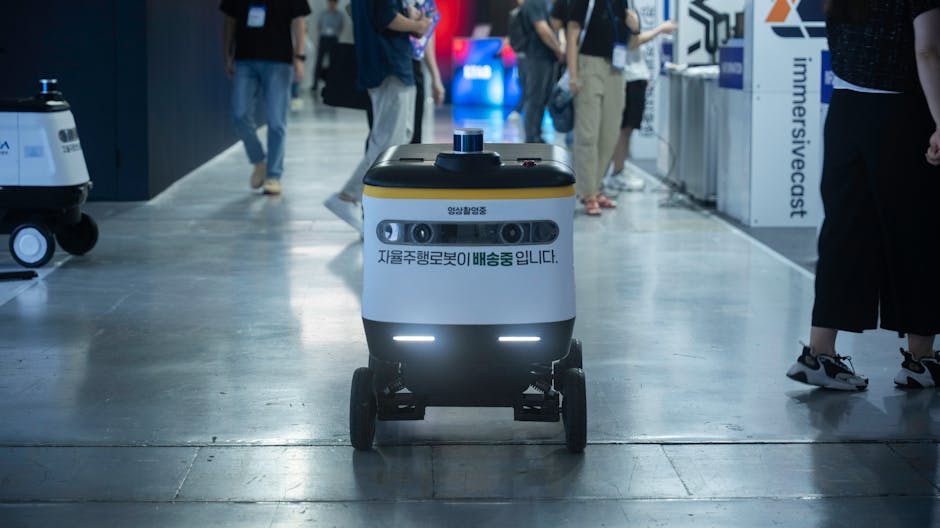
Entrepreneurship & Business