National Science Day 2026 highlights India's shift towards inquiry-based science education and early research exposure, aimed at building a future-ready scientific workforce.
India is undergoing a significant transformation in its science education landscape. As National Science Day 2026 approaches, the emphasis is on inquiry-based learning and early research exposure. This shift is crucial for preparing the next generation of scientists and innovators. The legacy of C. V. Raman, who discovered the Raman Effect, continues to inspire educational reforms aimed at nurturing scientific temper and research capabilities.
These changes are not just symbolic; they reflect a broader commitment to enhancing the educational framework under the National Education Policy (NEP) 2020. By integrating research into the curriculum, schools and universities are aligning with India’s ambitions in deep-tech, climate science, and advanced manufacturing. Experts emphasize that this evolution is essential for cultivating a workforce capable of tackling complex global challenges.
The celebration of National Science Day on February 28 serves as a reminder of the progress made and the work still needed. As classrooms shift from rote memorization to hands-on experimentation, students are increasingly engaging with real-world scientific problems. This approach is helping to foster a culture of inquiry and innovation across the nation.
Why Inquiry-Based Learning Matters
Inquiry-based learning is at the heart of India’s educational reforms. This method encourages students to ask questions, conduct experiments, and engage in critical thinking. According to Dr. Deepak K. Sinha from Jain University, the NEP 2020 has unlocked undergraduate research opportunities in emerging fields like artificial intelligence and climate science. Students are not just passive recipients of information; they are becoming active participants in the learning process.
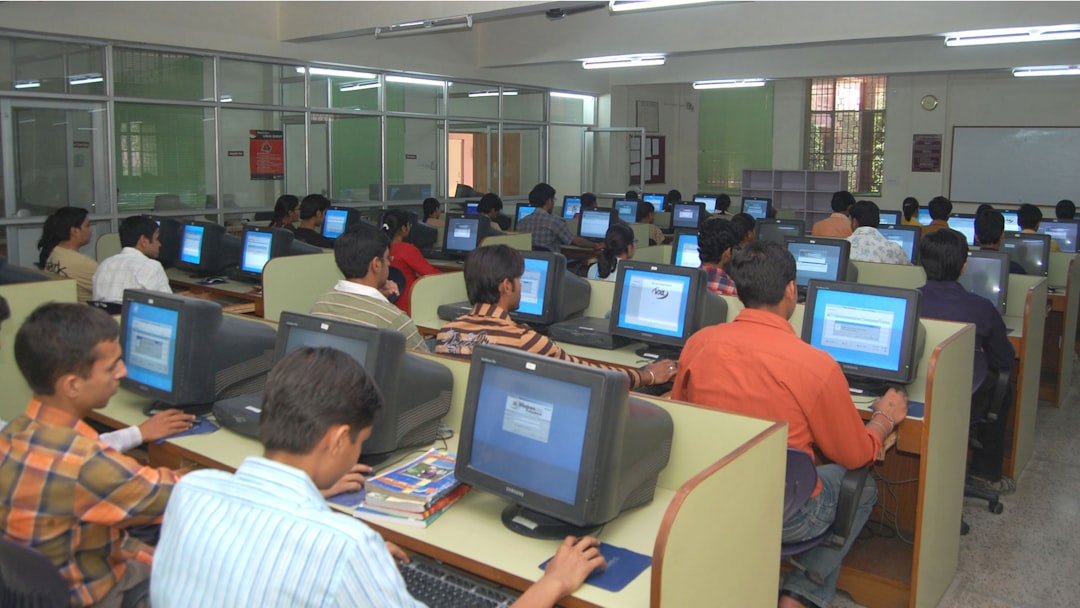
In many institutions, laboratories are evolving into hubs of discovery rather than mere supplementary facilities. For instance, Dr. Vishal H Shah from BIT Mesra notes that students work on externally funded projects in advanced fields like biotechnology and AI systems. This hands-on experience allows them to test theories and engage with data in meaningful ways, fostering a genuine scientific temper.
Why Inquiry-Based Learning Matters
Inquiry-based learning is at the heart of India’s educational reforms.
The Department of Budget and Management's P1.28 trillion allocation for education in the 2024 national budget offers unprecedented opportunities for Filipino youth aged 16-35 to…
Moreover, interdisciplinary laboratories are becoming vital spaces where students collaborate on projects that address real-world issues. Dr. Visalakshi Talakokula from Mahindra University highlights that scientific temper develops when students begin to ask questions and test assumptions. This approach is essential for nurturing innovation and problem-solving skills.
As classrooms embrace inquiry-led teaching, the focus is shifting from content delivery to experimentation and evidence-based reasoning. This transformation is vital for preparing students for careers in an increasingly complex and technology-driven world.
The Impact on Future Careers in Science
The implications of these educational reforms extend beyond the classroom. For students entering the workforce, the skills gained through inquiry-based learning and research exposure are invaluable. Employers are increasingly seeking graduates who can think critically, work collaboratively, and apply their knowledge to solve real-world problems.
According to a report from Bloomberg, the integration of AI and data analytics in education is set to create more personalized learning experiences. This trend is particularly relevant for students pursuing careers in technology and science. As industries evolve, the demand for professionals with a strong foundation in research and practical experience will only grow.
Additionally, the emphasis on interdisciplinary learning prepares students for careers that require a blend of skills.
Additionally, the emphasis on interdisciplinary learning prepares students for careers that require a blend of skills. For example, as India pushes for advancements in climate science, graduates with expertise in both environmental science and technology will be in high demand. This trend is echoed in the findings of various educational experts who advocate for curriculum modernization aligned with industry needs.
The convergence of traditional and digital advertising is a systemic shift that redefines career capital, moving authority toward data science leadership and creating asymmetric mobility…
As India celebrates National Science Day, both students and educators can take proactive steps to align with the evolving educational landscape:
Engage in Research Projects: Students should seek opportunities to participate in research initiatives, whether through internships or university programs. Engaging in hands-on projects enhances learning and builds a strong resume.
Utilize Online Learning Platforms: There are numerous online resources available for students to learn about emerging technologies and scientific principles. Platforms like Coursera and edX offer courses in AI, data science, and climate science that can complement traditional education.
Network with Industry Professionals: Building connections with professionals in the field can provide insights into industry trends and career opportunities. Attending workshops and seminars can facilitate these connections.
Participate in Science Fairs and Competitions: Engaging in science fairs or competitions can foster innovation and creativity. These platforms allow students to showcase their projects and gain recognition for their work.
However, experts warn that while inquiry-based learning is promising, it may not be uniformly implemented across all educational institutions. A recent analysis from Bloomberg suggests that disparities in infrastructure and resources could hinder the effectiveness of these reforms, particularly in rural areas. Ensuring equitable access to quality education will be essential for the success of the National Education Policy.
The Future of Science Education in India
The trajectory of science education in India is poised for further evolution. With the proposed National Research Foundation expected to broaden research funding access, educational institutions are likely to see an influx of resources dedicated to innovation and interdisciplinary projects. This shift will enhance the research culture across universities and colleges, moving beyond a few elite institutions.
Moreover, as the Atal Innovation Mission continues to inspire young minds through initiatives like Atal Tinkering Labs, the focus on early scientific exposure will help cultivate a generation of innovators. Schools are increasingly becoming incubators for creativity, where students can experiment and explore scientific concepts.
The Future of Science Education in India
The trajectory of science education in India is poised for further evolution.
As India marks National Science Day 2026, the emphasis on building a robust scientific workforce is clearer than ever. The integration of inquiry-led learning, research exposure, and government initiatives signifies a systemic shift towards aligning education with national priorities. Will this transformation be enough to meet the demands of a rapidly changing global landscape? Only time will tell, but the foundation for a bright future in science education is being laid today.




Education
 Business

 Business Strategy