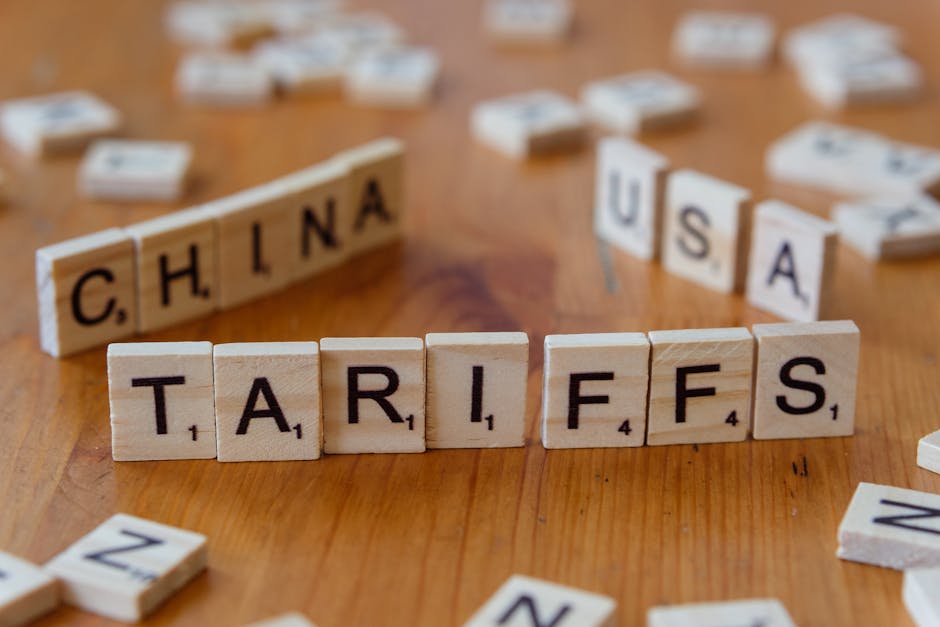
The Trump administration is standing firm on its tariff strategy, even after facing a setback from the Supreme Court. Recent rulings have challenged the extensive authority the administration claimed over tariff implementation, yet officials project confidence in their ability to maintain high duties. This determination is crucial for businesses and workers alike, as tariffs play a significant role in shaping economic conditions and trade relations.
As the administration grapples with the implications of the court’s decision, the focus remains on how these tariffs will impact various sectors. With the backdrop of rising economic anxiety, particularly among middle-market firms, the administration’s approach could have lasting effects on job security and consumer confidence.
The Supreme Court ruling has created a complex landscape for U.S. trade policy. While the court invalidated some of the administration’s expansive claims regarding tariff authority, officials are exploring ways to navigate these challenges. According to the Washington Examiner, Trump aides are optimistic about replicating the high tariffs that were invalidated, indicating a willingness to adapt their strategy to align with legal parameters.
Why the Tariff Strategy Matters Now
Tariffs have become a critical tool for the Trump administration in its trade policy, aimed at protecting American industries from foreign competition. The recent court ruling has raised questions about the sustainability of these tariffs and their broader economic implications. As businesses face uncertainty, understanding the administration’s next moves is essential for professionals across various sectors.
According to a report from PYMNTS.com, middle-market confidence has split in 2026, with many firms expressing concerns about tariffs and supply chain disruptions. This sentiment is echoed in the findings of the PwC Barometer, which gauges business confidence and highlights the anxiety surrounding trade policies. With tariffs affecting everything from manufacturing to consumer prices, the stakes are high for companies trying to navigate this environment.
As businesses face uncertainty, understanding the administration’s next moves is essential for professionals across various sectors.
The administration’s confidence in its tariff strategy could lead to a continuation of high duties on imports, particularly from countries like China. As the administration seeks to fulfill its trade ambitions, the potential for retaliatory measures from trading partners remains a concern. This dynamic could create a volatile environment for businesses that rely on international supply chains.
How Tariff Decisions Impact Your Career
 Government & Policy
Chinese Brands Drop Mbappé After Mao Joke Backlash
Mengniu and Dongpeng condemned words that hurt Chinese sentiment, while CCTV suspended La Liga matches, according to The Paper.
Read More →The implications of the Trump administration’s tariff strategy extend beyond the realm of politics; they directly affect job markets and career trajectories. For professionals in industries such as manufacturing, retail, and logistics, understanding the nuances of tariff policy is crucial for career planning.
Entry-level workers in manufacturing may find job opportunities fluctuating as companies adapt to changing tariff environments. Mid-career professionals in logistics and supply chain management will need to develop strategies to mitigate risks associated with tariff volatility. For those considering a career switch, sectors that are less impacted by tariffs, such as technology and services, may present more stable opportunities.
Salary implications are also significant. As tariffs increase costs for businesses, companies may be forced to adjust their pricing strategies, impacting profitability and, consequently, salary growth. Professionals should be prepared to negotiate based on the evolving economic landscape shaped by these tariff policies.
Mid-career professionals in logistics and supply chain management will need to develop strategies to mitigate risks associated with tariff volatility.
- Stay Informed: Regularly follow updates on tariff policies and their implications for your industry. This knowledge will empower you to make informed career decisions.
- Enhance Your Skills: Consider upskilling in areas such as supply chain management or international trade. These skills will be valuable as companies navigate the complexities of tariffs.
- Network Strategically: Connect with professionals in industries affected by tariffs. Networking can provide insights into job opportunities and industry trends.
However, experts warn that this trend may not be sustainable. According to a recent analysis from the FinancialContent, while the administration’s confidence is notable, the economic repercussions of high tariffs could lead to a decline in consumer confidence and spending. This could ultimately counteract the intended benefits of the tariff strategy, creating a paradox for the administration.
The Future of U.S. Tariff Policy
The landscape of U.S. tariff policy is likely to evolve as the Trump administration seeks to balance its ambitions with the realities of legal constraints. As businesses react to the current environment, the broader economic implications will become clearer.
Looking ahead, professionals should prepare for a potentially shifting trade environment. The administration’s next steps will be crucial in determining how tariffs will impact various industries and, by extension, job opportunities. As the global economy continues to react to these policies, staying adaptable and informed will be key for career success.

 Entrepreneurship & Business
Qualcomm Plans Global Job Cuts After Annual Reviews
A memo from chief executive Cristiano Amon links the reductions to performance culture and says business priorities and required skills will guide decisions.
Read More →Will the administration’s confidence in its tariff strategy hold up against economic pressures, or will we see a shift in policy in response to market realities? The answers to these questions will shape the future of trade and employment in the U.S.
Written by Career Ahead AI. AI can make mistakes, so verify key facts. Report errors to support@careeraheadonline.com.