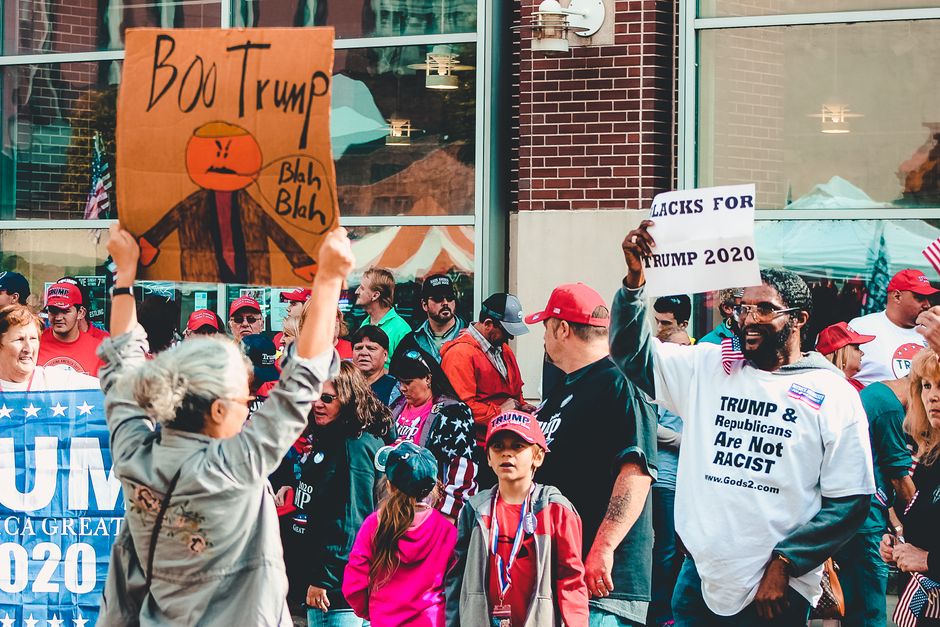
President Trump has dismissed safety concerns regarding AI as a 'hoax,' emphasizing the need for the U.S. to maintain its lead over China in AI advancements. This has sparked a debate in the industry about the balance between innovation and safety, with calls for regulatory frameworks to address potential risks.
Washington, D.C. — President Donald Trump has reaffirmed his commitment to advancing artificial intelligence (AI) development, labeling safety concerns as a “hoax” during a recent phone call with NVIDIA CEO Jensen Huang. This conversation took place amidst growing unease among industry leaders about the rapid pace of AI innovation and its potential risks.
Trump’s remarks come at a time when prominent figures in the AI sector, including Anthropic CEO Dario Amodei, have been vocal about the need for caution in AI development. They argue that a more measured approach is necessary to mitigate the risks associated with AI technologies. In stark contrast, Trump emphasized the urgency for the U.S. to maintain its lead over China in AI advancements, suggesting that slowing down could jeopardize America’s position in the global tech race. His comments reflect a broader political narrative that prioritizes technological supremacy over regulatory caution, a stance that has drawn both support and criticism across the industry.
Industry Leaders Call for Caution
Following Trump’s declarations, the AI community has found itself at a crossroads. While many leaders agree on the importance of AI innovation, they also recognize the inherent risks that come with it. Amodei has proposed a three-step plan aimed at addressing these risks while still fostering innovation. This initiative seeks to create a balance between the rapid advancement of AI technologies and the necessary safeguards to protect society.
In contrast to Trump’s dismissal of safety concerns, industry experts argue that the absence of regulatory frameworks could lead to unintended consequences. The rapid deployment of AI technologies without sufficient oversight could result in societal harm, including job displacement and ethical dilemmas surrounding data privacy. A study by the World Economic Forum highlights that up to 85 million jobs may be displaced by AI by 2025, underscoring the need for proactive measures. Furthermore, the potential for biased algorithms and the misuse of AI in surveillance and decision-making processes raises significant ethical questions that cannot be ignored.
Debate on Innovation vs. Safety
Trump’s stance has sparked a debate among industry leaders about the balance between innovation and safety. Many are now questioning how to navigate this complex landscape. While some leaders support Trump’s aggressive approach, others fear that ignoring safety could lead to a backlash that stifles innovation in the long run. The need for collaboration between tech companies and policymakers has never been more critical. As industry leaders like Huang and Amodei engage in discussions about the future of AI, they are also contending with the political implications of their work.
As industry leaders like Huang and Amodei engage in discussions about the future of AI, they are also contending with the political implications of their work.
The UK government is examining how serious AI incidents and near misses should be reported, and Microsoft’s Brad Smith has called for global AI safety…
As the AI landscape evolves, the relationship between industry leaders and government officials will play a significant role in shaping future regulations. Trump’s support for AI development may encourage companies like NVIDIA to push forward with their projects, but it also raises questions about the accountability of these technologies. How will industry leaders reconcile their commitment to innovation with the ethical implications of their work? This question is particularly pressing as public sentiment around AI continues to shift, with growing calls for accountability and transparency from both consumers and regulators.
Political Influence on AI Development
The political climate surrounding AI development is evolving, with Trump’s recent comments signaling a potential shift in regulatory approaches. Historically, tech companies have operated in a relatively unregulated environment, which has allowed for rapid technological advancements. However, as concerns about the societal impact of AI grow, the demand for regulatory frameworks is increasing. The divergence in perspectives between Trump and industry leaders like Amodei highlights the complexities of navigating this landscape.
The current political discourse may lead to a bifurcation in the AI regulatory landscape. On one hand, Trump’s administration may favor a hands-off approach that prioritizes innovation. On the other hand, industry leaders advocating for safety could push for more stringent regulations. This divergence could create a complex environment where companies must navigate conflicting expectations from government and the public. As noted by sources such as Fox Business and the Washington Post, the implications of this political influence could extend beyond the tech industry, affecting job markets and societal structures.
Future of AI Regulation
As global competition intensifies, particularly with China, the U.S. may face pressure to accelerate AI development without adequate safeguards. This could lead to a scenario where ethical considerations are sidelined in favor of technological supremacy. The implications for workers, consumers, and society at large could be profound, as the risks associated with unchecked AI development become more apparent. The challenge for industry leaders will be to advocate for responsible AI practices while also aligning with political sentiments that may not prioritize safety.
Looking ahead, the future of AI regulation will likely hinge on the ability of industry leaders to collaborate with policymakers. This partnership will be essential in developing frameworks that balance innovation with the need for safety. As the debate unfolds, the question remains: can the tech industry and government find common ground on AI governance? The stakes are high, and the outcome of this dialogue will ultimately shape the trajectory of AI development in the United States and beyond.
Concerns about new wealth taxes in the UK are driving billionaires to move to Monaco, highlighting a broader trend of wealthy individuals seeking tax-friendly jurisdictions…
This partnership will be essential in developing frameworks that balance innovation with the need for safety.
Frequently Asked Questions
What are the latest AI safety regulations being discussed?
Current discussions around AI safety regulations focus on establishing ethical guidelines and transparency in AI development. Industry leaders are advocating for frameworks that address potential risks while still promoting innovation.
How should tech leaders respond to political pressures on AI development?
Tech leaders should engage proactively with policymakers to advocate for balanced regulations that prioritize both innovation and safety. Collaboration between industry and government is crucial for effective governance.
What steps can AI policy advocates take to address safety concerns?
AI policy advocates can promote awareness of the risks associated with rapid AI development and push for transparent regulations. They should also collaborate with industry leaders to create ethical guidelines governing AI technologies.
Written by Career Ahead AI. AI can make mistakes, so verify key facts. Report errors to support@careeraheadonline.com.
Career Ahead AI is Career Ahead Magazine's in-house AI newsroom, reporting on careers, education, jobs and business. It produces original summaries and analysis drawn from publicly available sources, with those sources credited, and operates under the editorial oversight of the Career Ahead team. AI can make mistakes, so please tell us when something looks wrong. Corrections, copyright or takedown requests…



Government & Policy
 Government & Policy