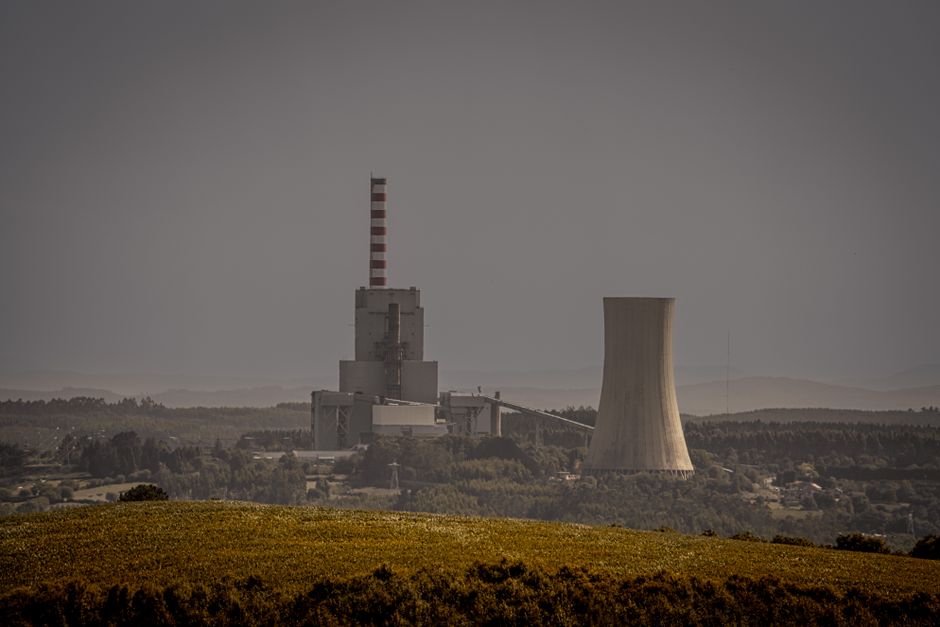
The EPA's repeal of climate pollution rules for power plants raises concerns about air quality and renewable energy investments amid rising electricity demand.
The Environmental Protection Agency (EPA) announced on September 14, 2026, its decision to repeal existing climate pollution rules for power plants across the United States. This significant policy shift aligns with President Trump’s broader agenda to promote fossil fuels and is expected to have profound implications for emissions regulations and the future of renewable energy investments.
The repeal comes at a time when the demand for electricity is on the rise, driven by the increasing use of electric vehicles and the expansion of energy-intensive data centers. Critics argue that rolling back these regulations will worsen air quality and public health outcomes, particularly in vulnerable communities. Environmental advocates are already preparing to challenge this move in court, citing the potential for increased greenhouse gas emissions and related health issues. According to a report by CBS News, the rollback could lead to a significant rise in pollution levels, disproportionately affecting low-income and minority communities that are already facing environmental challenges.
Changes to Emissions Regulations
The rollback of climate pollution rules is poised to significantly alter the regulatory landscape for coal and natural gas power plants. Previously established standards aimed to limit greenhouse gas emissions, which accounted for a substantial portion of the nation’s overall emissions. According to the EPA, power plants contribute approximately a quarter of the United States’ greenhouse gas emissions, making them a critical target for climate policy.
With the repeal, energy companies will face fewer compliance requirements, which could incentivize the continued operation of older, less efficient coal-fired plants. This may lead to a short-term economic benefit for these companies, as they can avoid the costs associated with upgrading their facilities to meet stricter environmental standards. However, this shift could also hinder long-term investments in cleaner technologies. The New York Times highlights that the rollback could undermine years of progress made in reducing emissions from the power sector, potentially reversing gains achieved under previous administrations.
Analysis from Career Ahead indicates that the elimination of these regulations may lead to an increase in emissions, which could ultimately impact the viability of renewable energy investments. Investors are likely to reassess their strategies in light of the new regulatory environment. If fossil fuel power plants are allowed to operate with fewer restrictions, the competitive landscape for renewable energy sources like wind and solar may become more challenging. Furthermore, the International Energy Agency has noted that strong regulatory frameworks have historically driven investment in renewable technologies, and the current rollback could stifle this momentum.
Analysis from Career Ahead indicates that the elimination of these regulations may lead to an increase in emissions, which could ultimately impact the viability of renewable energy investments.
If your employer neglects pension contributions, understanding your rights and the steps to take is crucial. Here’s how to effectively address this issue and secure…
The repeal of climate pollution rules raises questions about the future of renewable energy investments in the United States. Investors and companies have been increasingly focused on sustainability, driven by both regulatory frameworks and consumer demand for cleaner energy. However, the new policy direction may alter this trajectory.
Historically, strong emissions regulations have served as a catalyst for investment in renewable energy technologies. With the rollback, there is a risk that investment in renewables could stagnate as fossil fuels regain a competitive edge. According to a report from the International Energy Agency, investment in renewable energy technologies has been growing, but this momentum could be jeopardized if fossil fuel companies are allowed to operate without stringent regulations. The potential for increased reliance on fossil fuels could divert capital away from renewable projects, as companies may prioritize investments in traditional energy sources that are now less regulated.
Additionally, the Trump administration’s focus on promoting fossil fuels, particularly in the context of expanding data centers and electric vehicle infrastructure, may divert resources away from renewable energy projects. As demand for electricity grows, particularly for data-intensive applications, there could be a renewed focus on fossil fuel generation, potentially at the expense of clean energy investments. The Verge notes that the energy demands of data centers are significant, and without regulatory pressure to invest in cleaner alternatives, companies may opt for cheaper fossil fuel sources.
Potential Legal Challenges and Future Implications
As the energy landscape evolves, it is crucial for investors and policymakers to remain vigilant and adaptable to these shifting dynamics. The interplay between regulatory changes and market forces will ultimately shape the future of energy investments in the United States. Stakeholders must be prepared for a landscape that may be markedly different from recent years.
The rollback may also prompt states and local governments to pursue their own regulations to fill the void left by the federal government, potentially creating a patchwork of standards that complicate compliance for energy companies. Environmental policy analysts will need to closely monitor the impact of the repeal on emissions levels and public health outcomes. The shift in regulations may necessitate a reevaluation of strategies aimed at promoting renewable energy and reducing greenhouse gas emissions.
California has enacted new laws to protect workers from AI-related job displacement, prohibiting employers from solely relying on AI for layoffs and mandating transparency in…
In summary, the repeal of climate pollution rules for power plants represents a pivotal moment in U.S. energy policy. The long-term implications for emissions regulations and renewable energy investments will depend on how stakeholders respond to this new regulatory environment. As the energy sector braces for these changes, the question remains: will the momentum toward cleaner energy be stifled, or can it withstand the pressures of a renewed focus on fossil fuels?
Potential Legal Challenges and Future Implications As the energy landscape evolves, it is crucial for investors and policymakers to remain vigilant and adaptable to these shifting dynamics.
Frequently Asked Questions
What are the implications of the new power plant regulations for environmental policy analysts?
Environmental policy analysts will need to closely monitor the impact of the repeal on emissions levels and public health outcomes. The shift in regulations may necessitate a reevaluation of strategies aimed at promoting renewable energy and reducing greenhouse gas emissions.
How should renewable energy investors adjust their strategies in light of recent regulatory changes?
Renewable energy investors may need to reassess their investment strategies, focusing on the potential risks associated with increased competition from fossil fuels. Investors should remain agile and consider the long-term implications of the regulatory environment on their portfolios.
What steps should environmental policy analysts take to adapt to the repeal of climate pollution rules?
Environmental policy analysts should engage with stakeholders in the energy sector to understand the implications of the rollback. They may also need to advocate for stronger regulations and explore innovative solutions to promote renewable energy in the face of these changes.




Government & Policy

 Government & Policy