No products in the cart.

Trump’s Fears About Economy Undercut US Leverage
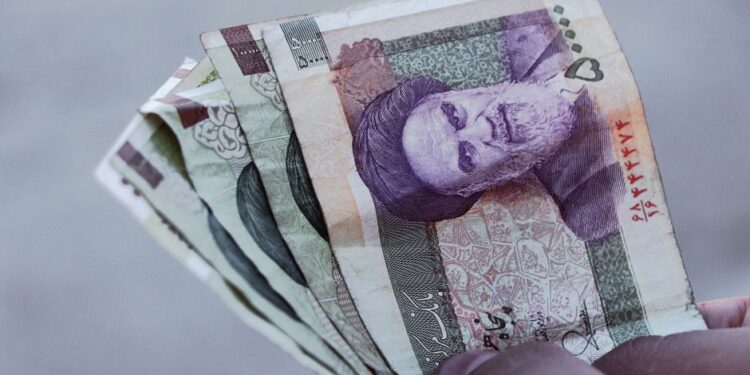
Economic instability in the U.S. is undermining its negotiating power with Iran, complicating the Biden administration's efforts in nuclear talks amid rising inflation and uncertainty.

Economic instability in the United States is weakening its negotiating power with Iran. Recent assessments show that concerns about the U.S. economy are making it harder for the Biden administration to influence Iran, especially in nuclear talks. This situation is significant for foreign policy analysts and economists watching international relations closely.
The Biden administration faces rising inflation and economic uncertainty, which affects its ability to project strength in diplomatic negotiations. Reports indicate that the current economic climate limits the U.S. government’s options with Iran, a nation that has historically exploited U.S. vulnerabilities to gain concessions. A Bloomberg report states that domestic economic fears are significantly impacting U.S. leverage in these critical talks, making it tough for the administration to maintain a hardline stance against Iran’s nuclear ambitions.
Domestic Economic Stability and Its Influence on Negotiations
The stability of the U.S. economy is crucial for effective international negotiations. Economic downturns often reduce U.S. leverage, especially in high-stakes talks like those with Iran. When the domestic economy is unstable, the U.S. may seem less capable of enforcing its will, emboldening adversaries like Iran to pursue aggressive policies.
Economic analysts note that the Biden administration’s focus on domestic recovery affects its foreign policy. The need to address inflation and supply chain issues may limit the U.S. willingness to impose stricter sanctions on Iran, which could otherwise strengthen its bargaining position. The balance between domestic priorities and international obligations is critical for policymakers. The New York Times highlights that the administration’s struggle with inflation has led to a perception of distraction and reduced commitment to foreign policy objectives, allowing Iran to exploit these vulnerabilities.
Iran has responded strategically to U.S. economic vulnerabilities. With rising gas prices and inflation, Iran feels emboldened to pursue its nuclear ambitions more aggressively. The Iranian government sees that the U.S. may be less inclined to take a hardline stance due to internal economic pressures, changing the dynamics of their negotiations. This shift is evident in Iran’s recent actions, which include advancing its nuclear program while engaging in discussions that seem to stall, knowing that the U.S. is constrained by its economic situation.
The need to address inflation and supply chain issues may limit the U.S.
Historical Context of Economic Factors in U.S.-Iran Relations
You may also like
 Government & Policy
MSMEs Demand Action on Rising Steel and Metal Prices
Rising material costs have been a persistent issue for MSMEs, which are already grappling with higher prices for diesel, furnace oil, and LPG.
Read More →The history of U.S.-Iran relations shows that economic factors have always influenced diplomatic negotiations. Past instances, like the 2015 nuclear deal talks, demonstrate how economic incentives can sway outcomes. The current economic landscape, marked by uncertainty, could lead to a similar pattern. Iran may capitalize on U.S. weaknesses to gain favorable terms. The interplay of economic conditions and diplomatic negotiations is not new, but the current situation is worsened by the Biden administration’s need to prioritize domestic economic recovery over international commitments.
Enhancing U.S. Negotiating Power
To regain negotiating power with Iran, the U.S. may need a multifaceted approach that addresses both domestic economic concerns and international diplomatic strategies.
First, the U.S. could strengthen its economic indicators by implementing policies to reduce inflation and stabilize the economy. By presenting a strong economic front, the Biden administration may project greater strength in negotiations. This could involve targeted fiscal policies that stimulate growth and restore confidence in the U.S. economy, enabling a firmer stance in international discussions. CNN reports that the administration’s economic policies must focus on long-term stability to engage effectively with adversaries like Iran.
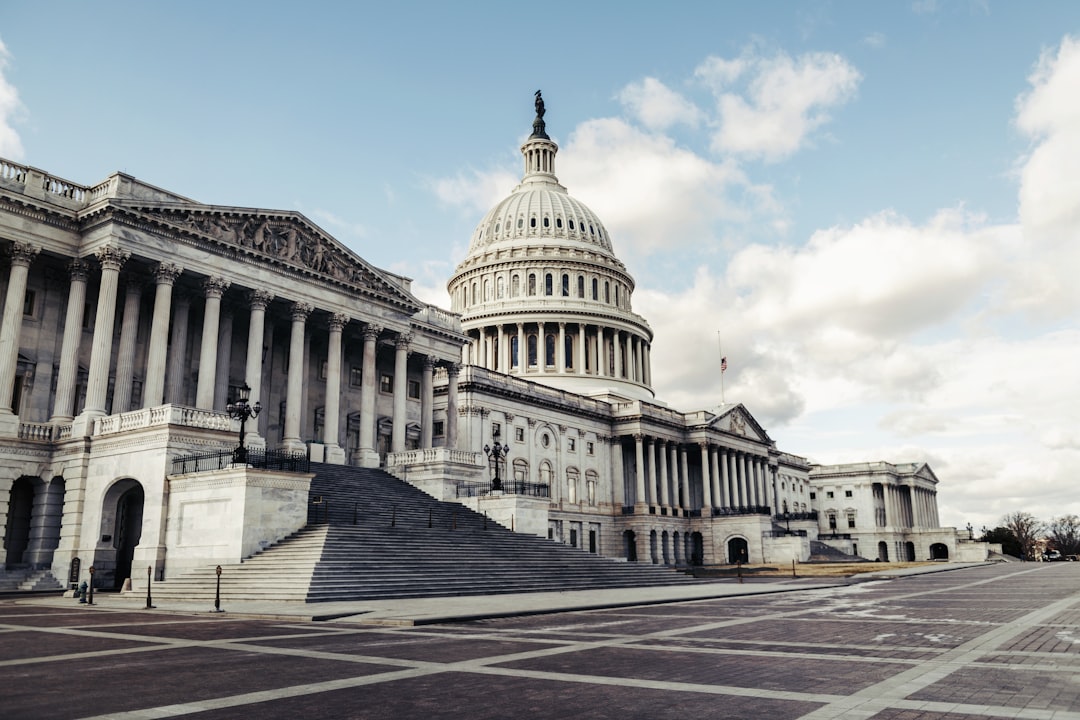
Second, fostering alliances with key international partners can amplify U.S. influence over Iran. Collaborative efforts with European allies could create a united front in negotiations, making it harder for Iran to resist U.S. demands. This approach enhances diplomatic leverage and shows a commitment to multilateralism, which is beneficial for addressing complex global issues. Strengthening relationships with allies also provides the U.S. with additional resources and support in negotiations, allowing for a more coordinated approach to dealing with Iran.
Moreover, leveraging economic incentives can be a powerful tool in negotiations. By offering economic relief or incentives tied to compliance with nuclear agreements, the U.S. could encourage Iran to engage constructively in talks. This strategy requires careful calibration to ensure that concessions do not undermine U.S. interests or embolden Iran’s nuclear ambitions. The balance between offering incentives and maintaining a strong negotiating position is delicate and requires astute diplomatic maneuvering.
Finally, keeping open channels of communication with Iran is essential for effective diplomacy.
You may also like
 Government & Policy
SEBI Alerts Investors on Anonymous Tips, Finfluencers
Project Jagrook aims to combat the influence of anonymous financial advisors and so-called "finfluencers," who often provide misleading advice to unsuspecting retail investors.
Read More →Finally, keeping open channels of communication with Iran is essential for effective diplomacy. Engaging in dialogue, even amid tensions, allows for exploring potential compromises and helps de-escalate conflicts. This approach emphasizes the importance of diplomacy in addressing complex international issues, especially when economic factors are involved. As the U.S. navigates these complex negotiations, foreign policy analysts must consider how domestic economic factors impact international relations. Understanding how economic stability affects diplomatic leverage can provide valuable insights for anticipating shifts in policy and strategy.
Key Takeaways on U.S. Economic Performance and Diplomacy
The relationship between U.S. economic performance and its negotiating power with Iran highlights the need for strategic foresight. As the economic landscape changes, so will the dynamics of international negotiations. Analysts must monitor how U.S. economic policies influence foreign relations and whether the Biden administration can balance domestic priorities with international commitments. The ongoing situation with Iran serves as a critical case study for understanding the broader implications of economic stability on diplomatic effectiveness.
Frequently Asked Questions
What are the implications of U.S. economic fears on foreign policy?
Economic fears in the U.S. can weaken effective foreign policy, especially in negotiations with nations like Iran, potentially leading to unfavorable concessions and reduced diplomatic leverage.
How can economists assess the impact of domestic issues on international negotiations?
Economists can evaluate the link between domestic economic indicators and foreign policy outcomes by analyzing historical data and current trends, assessing how economic stability affects a nation’s negotiating power.
can weaken effective foreign policy, especially in negotiations with nations like Iran, potentially leading to unfavorable concessions and reduced diplomatic leverage.
What strategies can foreign policy analysts recommend to strengthen U.S. leverage in talks with Iran?
Analysts may suggest enhancing economic stability, fostering international alliances, leveraging economic incentives, and maintaining open communication with Iran to improve U.S. negotiating power in diplomatic discussions.
You may also like
 Government & Policy
Pentagon Halts Anthropic AI Use After Blacklisting
The Pentagon has officially ceased using Anthropic's AI tools following the company's blacklisting due to national security concerns. This decision marks a significant shift in…
Read More →