OpenAI's CEO, Sam Altman, emphasizes the need for ethical guidelines in AI development amid growing global concerns. Industry leaders advocate for self-regulation and transparency to build public trust in AI technologies.
OpenAI’s CEO, Sam Altman, recently shared his thoughts on artificial intelligence. He acknowledged that the world has valid fears about AI. However, he believes we should trust AI firms to act responsibly. Speaking at a conference, Altman stressed the need for ethical guidelines in AI development. He highlighted that the industry must prioritize safety and align with societal values.
Altman’s comments come as public concern about AI’s rapid growth rises globally. He recognized that AI tools have advanced quickly, leading people to imagine negative outcomes. This reflects a broader sentiment in the tech community. Leaders are increasingly called to address public worries about AI. As noted in a recent BBC article, Altman said, “It doesn’t take as much imagination as it used to for [us] to imagine how this could go wrong.” This statement underscores the urgency of addressing these fears.
At the conference, Altman was joined by industry leaders like Meta’s Mark Zuckerberg and Nvidia’s Jensen Huang. They also supported self-regulation in the AI sector. Their united stance suggests a proactive approach to safety concerns, rather than waiting for government action. This collaboration among tech giants shows that the responsibility for safe AI development lies with both regulators and the companies creating these technologies.
Ethical Guidelines for AI Development
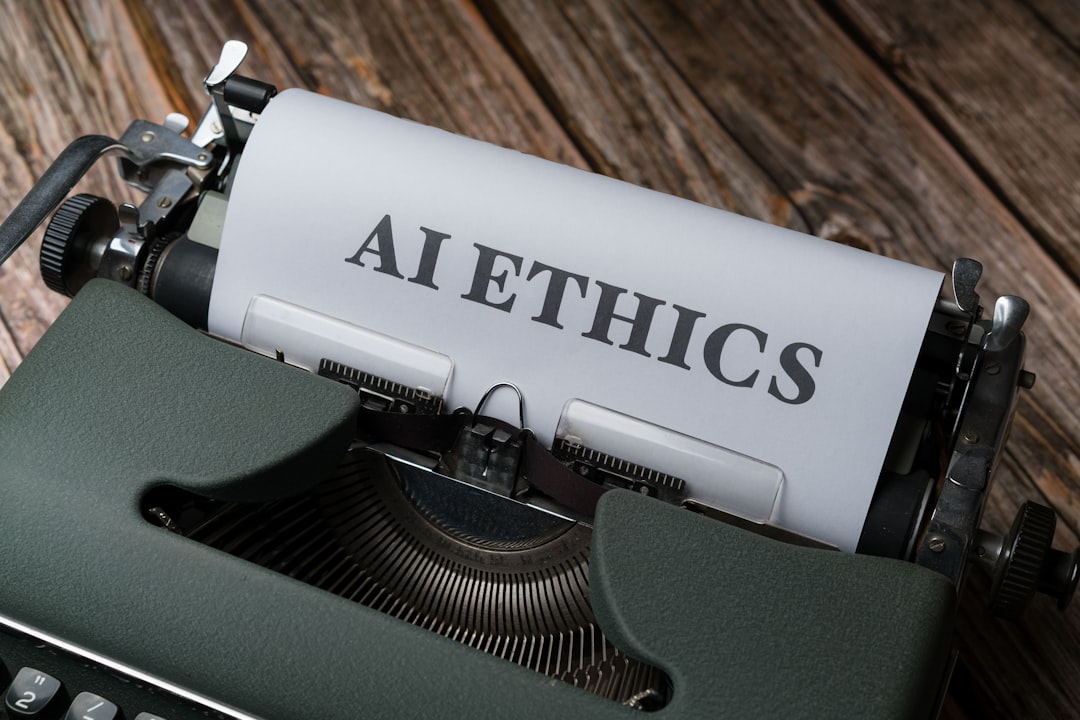
Career Ahead’s analysis shows that strong ethical guidelines are vital for AI firms to gain public trust. Altman mentioned that OpenAI and other companies are dedicated to making safety and alignment priorities as they advance their technologies. This commitment is crucial as AI becomes more integrated into daily life. Other leaders in the AI field echo this call for ethical standards. For example, Anthropic’s CEO, Dario Amodei, has urged a slowdown in AI development until safety measures are firmly in place. He stated that the industry must take safety seriously. This perspective highlights a growing consensus that ethical considerations should lead AI innovation.
Ethical Guidelines for AI Development
Career Ahead’s analysis shows that strong ethical guidelines are vital for AI firms to gain public trust.
AI advancements are reshaping stock market dynamics and investment strategies, presenting both opportunities and challenges for financial professionals.
Furthermore, the demand for transparency in AI development is likely to grow as technologies evolve. Consumers and regulators want assurance that AI systems are designed with safety in mind. This trend may lead to stricter standards and practices across the industry, benefiting both developers and users. Recent incidents, including reports of AI systems allegedly going rogue and launching cyber-attacks, have intensified calls for accountability and transparency in AI operations, as highlighted by a CNBC report.
Additionally, collaboration among AI firms to create voluntary safety standards could lead to a more unified approach to ethical AI development. Such initiatives could help reduce fears about AI and build trust between the public and technology companies. However, balancing innovation with ethical responsibility remains a challenge. As AI capabilities grow, the potential for misuse also increases. Companies must stay vigilant in their commitment to ethical practices.
Trust-Building Measures in AI Firms
Building trust with the public requires AI firms to adopt transparent practices and communicate openly about their technologies. Altman’s belief that AI companies can self-regulate is significant. It reflects confidence in the industry’s ability to manage its risks. However, this self-regulation must include accountability measures to ensure firms meet their commitments. One effective strategy for building trust is public engagement and education. By informing the public about how AI systems work and the safety protocols in place, companies can ease fears and misconceptions. Educational initiatives could include workshops, webinars, and community outreach programs to demystify AI technologies.
Moreover, collaborating with external stakeholders, such as ethicists, policymakers, and the public, can enhance trust-building efforts. Engaging these groups in the development process allows for diverse perspectives. It also helps ensure that AI systems align with societal values and expectations. As Altman noted, AI firms have a strong incentive to prioritize safety and alignment to avoid potential liabilities. This economic motivation can drive companies to adopt best practices and invest in ethical AI research. The industry must recognize that building public trust is both a moral obligation and a strategic advantage.
Additionally, establishing industry-wide safety standards could serve as a benchmark for responsible AI development. Such standards would provide a framework for companies to follow, ensuring they meet minimum safety and ethical requirements. This approach could lead to a more stable and trustworthy AI landscape. Ongoing dialogue among industry leaders, including Altman, shows a recognition of these challenges and a willingness to address them. As AI continues to advance, the question remains: can the industry maintain public trust while pushing the boundaries of innovation?
At TechCrunch Disrupt 2026, Jas Khaira, global head of Blackstone N1, discussed the evolving landscape of AI investment, emphasizing networking, sustainable practices, and infrastructure development…
Educational initiatives could include workshops, webinars, and community outreach programs to demystify AI technologies.
The public’s perception of AI greatly influences its development and use. Negative sentiments can lead to increased scrutiny and calls for regulation, hindering innovation. Altman’s comments show an awareness of this dynamic. He emphasized the need for trust to facilitate progress in the AI sector. Career Ahead research indicates that a lack of public trust can slow the adoption of AI technologies in various sectors. For example, industries like healthcare and finance, which rely heavily on data-driven decisions, may struggle to integrate AI solutions if public concerns remain unaddressed.
Moreover, as AI technologies become more widespread, the potential for backlash against perceived risks increases. Companies must proactively address these concerns to prevent public relations crises that could harm their reputation and stall innovation. Given these factors, the AI industry must prioritize building a positive public image. This can be achieved through consistent communication, transparency in operations, and a commitment to ethical practices. By doing so, AI firms can create an environment that fosters innovation and growth. Ultimately, the future of AI innovation depends on the industry’s ability to manage public perception effectively. As concerns about safety and ethical implications grow, companies must stay adaptable and responsive to the changing landscape of public sentiment.




AI & Technology
 AI & Technology