No products in the cart.

Turning Setbacks into Opportunities: Career Resilience
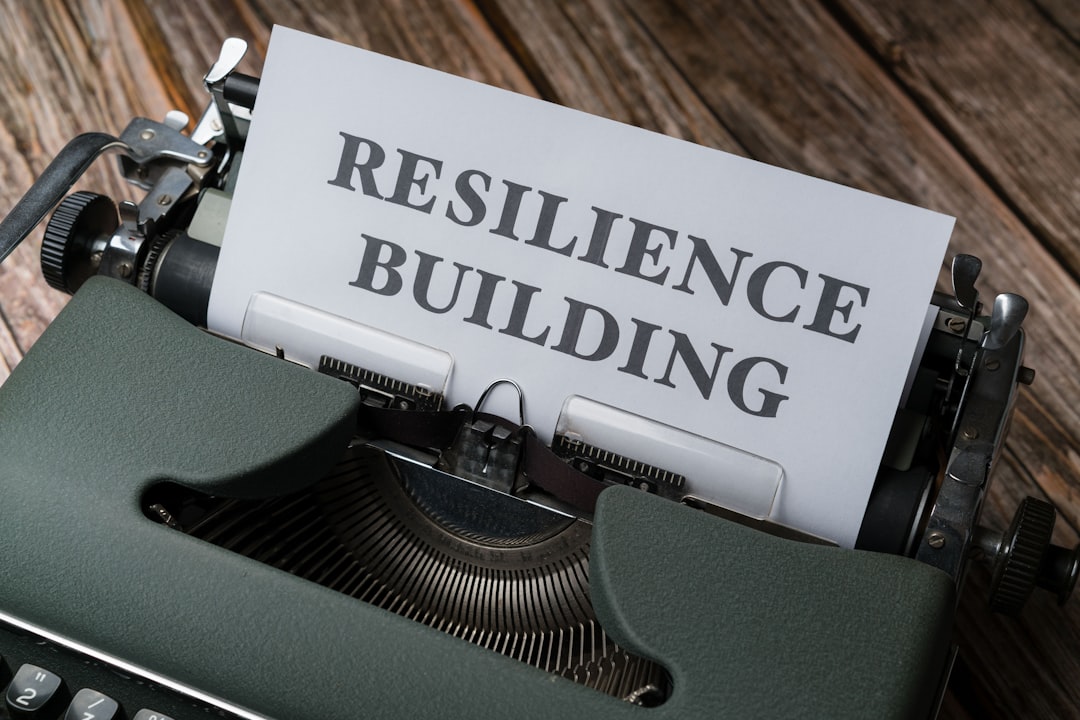
Explore how professionals can leverage failure to build resilience and foster growth in their careers through actionable insights and frameworks.

New York, USA — In an unpredictable job market, the ability to turn setbacks into stepping stones is a crucial skill for career resilience. With 70% of professionals experiencing significant career setbacks, whether through layoffs, failed projects, or skill mismatches, understanding-gen-zs-sensitivity/” class=”ca-internal-link”>understanding how to leverage these experiences can set candidates apart in competitive environments [1].
This narrative is especially relevant as industries undergo rapid transformation. The World Economic Forum reports that by 2025, 85 million jobs may be displaced due to automation, while 97 million new roles could emerge that are more adapted to the new division of labor [2]. In this context, resilience is not just an asset; it’s a necessity.

Failure, often perceived as a negative outcome, can actually serve as a springboard for growth and innovation. To harness this potential, professionals can employ specific exercises and frameworks that encourage reframing narratives around failure. By viewing setbacks as opportunities for learning and development, individuals can cultivate a mindset conducive to adaptability and resilience.
 Career transition guide, job change strategies
Gen Z Faces New Challenges in the Global Job Market
Gen Z is navigating intense pressures in the global job market, requiring innovative strategies for career advancement.
Read More →One effective approach is the “Failure Resume,” a tool that encourages individuals to document their professional failures alongside the lessons learned from each experience. This exercise not only promotes self-reflection but also helps to identify patterns in decision-making that may require adjustment. According to a survey by LinkedIn, professionals who actively reflect on their career challenges report a 24% increase in job satisfaction and a 34% improvement in their overall performance [3].
For instance, a marketer who failed to launch a successful campaign can analyze the reasons and pivot their strategy for future projects, ultimately leading to innovation and better outcomes.
Additionally, the practice of “reframing” allows individuals to shift their perspective on failure. Instead of viewing a setback as a definitive ending, reframing helps professionals see it as a necessary part of the growth process. For instance, a marketer who failed to launch a successful campaign can analyze the reasons and pivot their strategy for future projects, ultimately leading to innovation and better outcomes.
Contextually, the ability to adapt and learn from failure has been emphasized by leaders in the field. Satya Nadella, CEO of Microsoft, famously transformed the company culture by promoting a growth mindset, encouraging employees to embrace challenges and learn from their mistakes. This cultural shift has been credited with revitalizing Microsoft’s market position and enhancing employee engagement.
Furthermore, the impact of failure extends beyond individual career development; it shapes organizational culture. Companies that foster an environment where failure is accepted as part of innovation tend to outperform their competitors. According to research published in the Harvard Business Review, organizations that encourage risk-taking and learning from mistakes have 30% higher levels of employee engagement and productivity [4].
 Economic Development
Global Tourism Reawakens: The Boom in Travel Destinations
Global tourism is experiencing a vibrant resurgence in 2025, with destinations booming. Dive into emerging trends shaping the future of…
Read More →As professionals seek to build resilience, they can also benefit from peer support. Engaging in mentorship or peer networking can provide insights and encouragement. Groups that focus on sharing experiences of failure and recovery can cultivate a sense of community and shared learning, which is vital in overcoming career hurdles.
Looking ahead, the need for resilience in the face of failure will only intensify as economic shifts continue to reshape job markets. The rise of the gig economy and remote work necessitates that individuals not only learn from their experiences but also adapt quickly to new roles and responsibilities. Failure can no longer be seen as a stop sign but rather as a crucial part of the journey toward professional success.
Groups that focus on sharing experiences of failure and recovery can cultivate a sense of community and shared learning, which is vital in overcoming career hurdles.
In conclusion, the narrative surrounding failure needs to transform. By adopting practical frameworks and reframing their understanding of setbacks, professionals can turn failure into a powerful tool for career development. Embracing this mindset will be essential for navigating the evolving landscape of work in the years to come.