No products in the cart.

Global Tourism Reawakens: The Boom in Travel Destinations

Global tourism is experiencing a vibrant resurgence in 2025, with destinations booming. Dive into emerging trends shaping the future of travel.

Barcelona, Spain — After years of uncertainty and restrictions, global tourism is emerging from its chrysalis, ready to soar. The once-silent streets of popular destinations are now buzzing with life.
As the world embraces a new era of travel, destinations are not just welcoming back tourists; they are reinventing the travel experience itself. From the vibrant markets of Marrakech to the serene beaches of Bali, travelers are rediscovering the joys of exploration. The pandemic has not only altered how we travel but also what we value in our journeys.
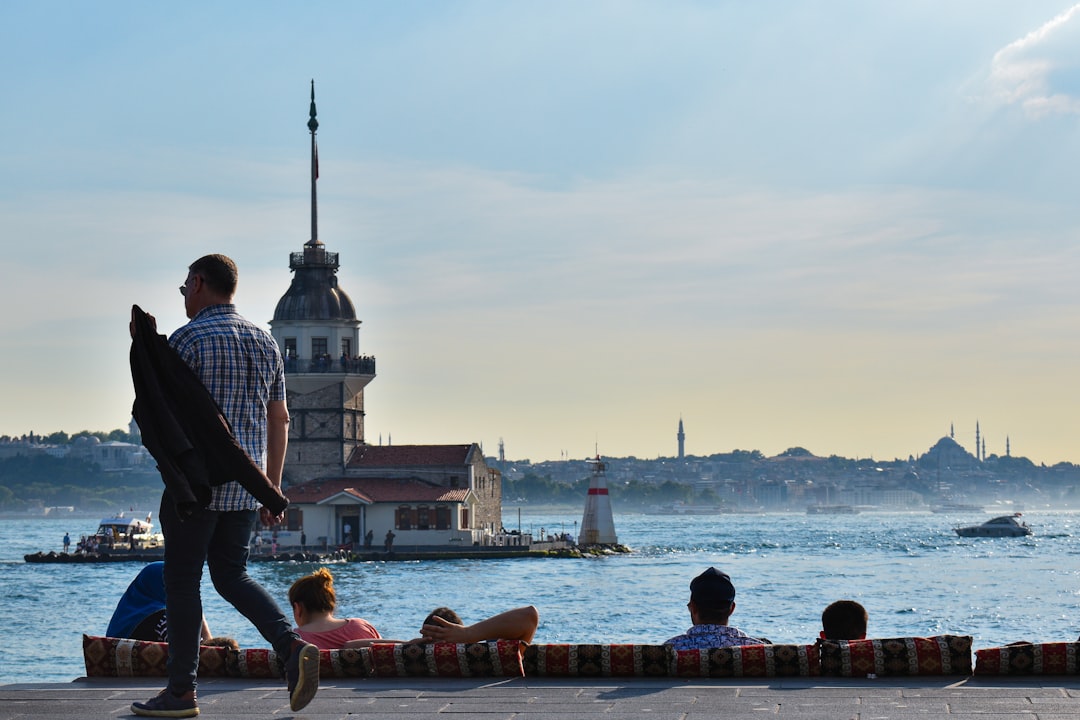
Since the pandemic’s grip loosened, travel destinations have seen a remarkable resurgence. According to the United Nations World Tourism Organization (UNWTO), international tourist arrivals nearly doubled in 2025 compared to the previous year, signaling a robust recovery. Countries like Thailand and Italy are witnessing record numbers of visitors, eager to indulge in the rich cultures and breathtaking landscapes they have missed.
This revival is rooted in a shift in traveler priorities. The pandemic forced many to reconsider the essence of travel. It’s no longer just about seeing landmarks; it’s about immersing oneself in local cultures, supporting sustainable practices, and seeking authentic experiences. Tourists are increasingly drawn to destinations that prioritize eco-friendliness, local engagement, and health safety.
Young professionals are leveraging remote work opportunities, flocking to picturesque locations that combine work and leisure.
Take, for instance, the island of Santorini, Greece. Traditionally known for its stunning sunsets and luxurious resorts, the island has transformed its approach. Local businesses now emphasize sustainability, offering organic farm-to-table dining experiences and eco-friendly accommodations. This shift not only attracts environmentally conscious travelers but also enriches the local economy.
Moreover, technology plays a pivotal role in this travel renaissance. Digital nomadism, once a niche, has exploded into a mainstream movement. Young professionals are leveraging remote work opportunities, flocking to picturesque locations that combine work and leisure. Cities like Lisbon and Bali are now hotspots for these modern-day explorers, offering co-working spaces that blend productivity with stunning views.
You may also like
 Government & Policy
Crypto Regulation Momentum Builds
The urgency for regulation stems from the rapid growth and volatility of the cryptocurrency market. With billions of dollars in investments at stake, stakeholders are…
Read More →However, this boom is not without its challenges. Many destinations are grappling with the delicate balance between welcoming tourists and maintaining their cultural integrity. Over-tourism, a pressing issue pre-pandemic, is resurfacing. Residents in popular areas express concerns about the influx of visitors disrupting their daily lives.
The city of Venice, for example, is taking significant measures to counteract over-tourism. Authorities are implementing a booking system for day-trippers, aiming to limit the number of visitors and preserve the city’s charm. This proactive approach showcases how destinations can adapt to the evolving landscape of global tourism while safeguarding their heritage.
As the travel landscape shifts, the financial implications are profound. The tourism sector, once a significant contributor to global GDP, is reclaiming its role as an economic powerhouse. With the revival of travel comes a surge in job creation across various sectors, from hospitality to transportation.
However, the road to recovery is uneven. While some regions thrive, others remain mired in economic challenges. Destinations that rely heavily on tourism are finding it increasingly difficult to diversify their economies. Countries like the Maldives, which experienced a sharp decline in visitor numbers during the pandemic, are still grappling with the aftermath.
The city of Venice, for example, is taking significant measures to counteract over-tourism.
Looking ahead, the future of global tourism is poised for transformation. Expectations are shifting, and travelers are seeking more than just a getaway; they want meaningful connections and sustainable practices. This evolving mindset will likely shape travel trends for years to come.
In this new era, collaboration among stakeholders—governments, businesses, and local communities—is essential. By working together, they can create a resilient tourism ecosystem that not only thrives economically but also respects cultural heritage and the environment.
You may also like
 Industry & Global Trends
Nifty 50 companies likely to log strong double-digit growth in Q2
Nifty 50 companies are projected to achieve strong double-digit growth in Q2 2023, driven by key sectors like automobiles, banking, and oil, amidst a recovering…
Read More →As we step into this revitalized world of travel, one thing is clear: the journey is just beginning. With conscious choices and a commitment to sustainability, the future of tourism can be bright, ensuring that the wonders of our world remain accessible for generations to come.