No products in the cart.

Tuskegee University Bans Bonnets, Students Question Decision

Tuskegee University's recent dress code banning bonnets and durags has ignited student debate about cultural identity and expression. As students voice their concerns, the implications for campus culture and institutional policies are becoming increasingly clear.

Tuskegee University, Alabama — The recent decision by Tuskegee University to ban bonnets and durags on campus has sparked student backlash. Many students are questioning the necessity and impact of this new dress code. As a historically Black college, Tuskegee’s policies are under scrutiny for their effect on cultural expression among students.
Students feel that the ban is out of touch with their cultural identity. The university’s administration claims that the dress code promotes a professional image. However, students argue that this move undermines their cultural heritage and personal expression.
Cultural Significance of Bonnets and Durags
Bonnets and durags are not just fashion items; they are important cultural symbols in the African American community. Historically, these garments protect hair and maintain hairstyles, especially in Black hair care. For many students, wearing a bonnet or durag is a way to express pride in their heritage.
According to data from College Factual, Tuskegee University has a diverse student population that values cultural identity. This diversity is reflected in students’ clothing choices, which often include traditional and culturally significant garments. Banning these items can be seen as an attempt to erase part of their identity.
Moreover, the decision to enforce such a dress code raises questions about who defines professionalism. Many students believe that professionalism should not come at the cost of cultural expression. They suggest that the university should embrace these cultural symbols as part of its identity.
As students continue to express their concerns, the university may need to rethink its approach to dress codes. Ignoring the cultural significance of these garments could alienate students and weaken their sense of belonging on campus.
Many students believe that professionalism should not come at the cost of cultural expression.
Student Reactions and Administrative Responses
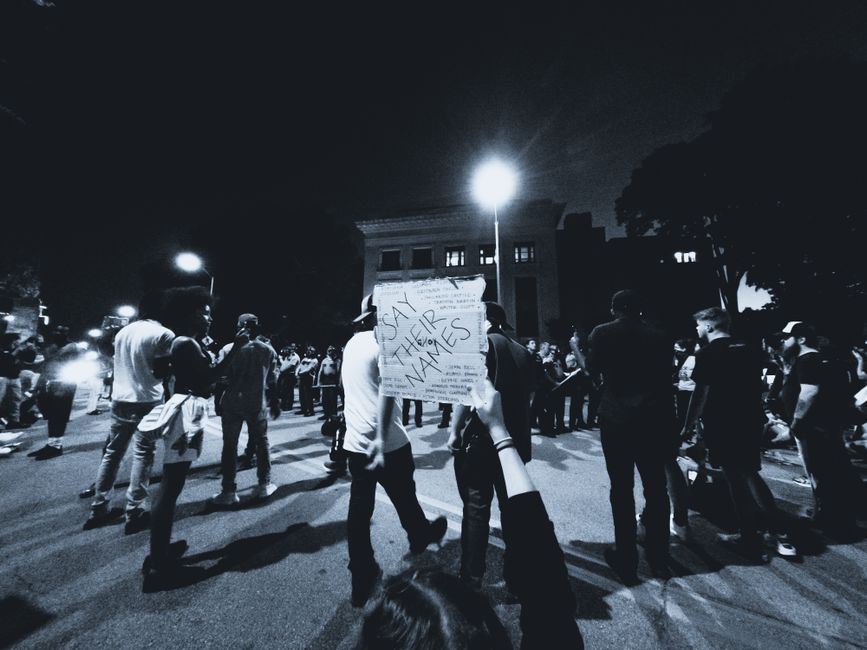
After the dress code announcement, students took to social media to share their discontent. Many shared personal stories about the importance of bonnets and durags in their lives. They argue that these items are part of their identity and should be accepted on campus.
The university’s Office of Student Life has acknowledged the backlash but insists that the dress code is necessary for a professional environment. However, this stance has not stopped the protests. Students are calling for a dialogue with the administration to discuss how these policies affect their cultural identity.
You may also like
 Education & University Insights
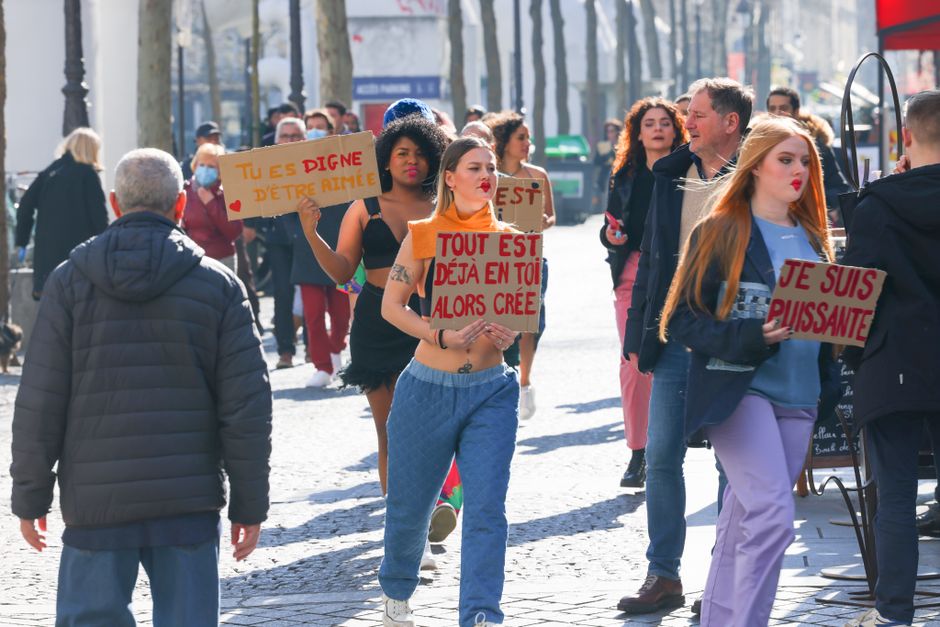
What to Know About France’s High School Protests | Career Outlook
The protests have been fueled by a combination of factors, including dissatisfaction with the quality of education, inadequate resources, and a perceived lack of support…
Read More →Some students have suggested alternative solutions, like creating designated days for cultural attire. This would allow for both professionalism and cultural expression. Such an approach could help bridge the gap between institutional policies and student identity.
Broader Implications for HBCUs
The controversy at Tuskegee University is not unique. Many Historically Black Colleges and Universities (HBCUs) face similar challenges in balancing institutional policies with students’ cultural expressions. As HBCUs strive for a professional image, they must also honor the rich cultural heritage of their students.
As HBCU students navigate their identities in predominantly white environments, policies that limit cultural expression can have serious consequences. The pushback against Tuskegee’s dress code could inspire similar movements at other institutions, leading to a broader reevaluation of dress codes across HBCUs.
This situation highlights the need for HBCUs to create environments that celebrate cultural diversity instead of suppressing it. Engaging students in discussions about dress codes can help develop policies that reflect the values and identities of the student body.
Ultimately, the outcome of this controversy may shape how HBCUs approach dress codes in the future. As students demand greater respect for their cultural identities, institutions will need to find a balance that honors both professionalism and personal expression.
As HBCUs strive for a professional image, they must also honor the rich cultural heritage of their students.
Addressing Concerns and Moving Forward
The ongoing dialogue at Tuskegee University serves as a reminder that policies must evolve to reflect changing student identities. As this debate unfolds, it raises important questions about the future of cultural expression in academic settings.
Students should voice their concerns through appropriate channels, like student government or town hall meetings. Engaging in dialogue with the administration can help foster understanding and potentially lead to policy changes.
Frequently Asked Questions
What are the reasons behind dress codes at HBCUs?
Dress codes at HBCUs aim to promote professionalism and ensure a respectful environment. However, these policies can sometimes conflict with cultural expressions that are significant to students.
You may also like
 Education & University Insights
Cornell faces a Greek life reckoning
Cornell University reevaluates its Greek life organizations following serious misconduct allegations, igniting a national conversation about accountability and reform.
Read More →How do students feel about dress codes affecting their cultural expression?
Many students feel that dress codes limiting items like bonnets and durags undermine their cultural identity. They argue that these garments are essential to their heritage and should be accepted on campus.
What should students do if they disagree with dress code policies?
Students should voice their concerns through appropriate channels, like student government or town hall meetings. Engaging in dialogue with the administration can help foster understanding and potentially lead to policy changes.