No products in the cart.

U.S. Government Proposes Overhaul of Student Visa System with Fixed Four‑Year Stays

The plan also tightens Curricular Practical Training (CPT), Optional Practical Training (OPT) and SEVIS reporting requirements.

The Department of Homeland Security announced a proposal to replace duration‑of‑status rules with four‑year admission periods for F‑1 and J‑1 visas. The plan also tightens Curricular Practical Training (CPT), Optional Practical Training (OPT) and SEVIS reporting requirements.
The proposal was first disclosed in a February 12, 2026 announcement and has been updated through a series of releases in May and June 2026. The changes apply to all international students enrolled in U.S. higher‑education institutions and are being coordinated by U.S. Citizenship and Immigration Services (USCIS) and the Department of Homeland Security (DHS) [1].
USCIS, DHS, U.S. lawmakers and university administrators are the primary parties involved. The proposal introduces a fixed four‑year stay limit, stricter CPT/OPT eligibility, reduced post‑completion grace periods and expanded SEVIS data collection. The Educational Visa Transparency Act of 2026, introduced by Congress, would codify many of these measures [2].
Timeline of Announcements
The first public notice of the new visa framework appeared on February 12, 2026, outlining the intent to end the existing duration‑of‑status (DOD) model for F‑1 and J‑1 students and to institute a four‑year admission limit [1]. On May 22, 2026, USCIS released guidance that altered the green‑card adjustment‑of‑status process, requiring certain applicants to pursue consular processing rather than filing within the United States [3]. Two days later, on May 24, 2026, the federal government issued an update summarizing the broader set of changes affecting international students and scholars, including the CPT/OPT revisions [3].
The most recent development occurred on June 18, 2026, when DHS submitted the final proposal to the Office of Information and Regulatory Affairs, formally seeking to eliminate DOD for F‑1 and J‑1 visas and replace it with the fixed four‑year admission period. The proposal remains in the rulemaking phase and has not yet been published in the Federal Register [4].
Government Proposes Overhaul of Student Visa System with Fixed Four‑Year Stays The core component of the proposal is the replacement of the DOD framework with a mandatory four‑year admission period for F‑1 and J‑1 visa holders.
Key Provisions of the Proposed Overhaul

The core component of the proposal is the replacement of the DOD framework with a mandatory four‑year admission period for F‑1 and J‑1 visa holders. Under the new rule, students would be required to complete their academic program within four calendar years, regardless of program length, and would need to obtain a new admission if additional time is necessary [2][4].
You may also like
 News
NewsScammers Target Remote Workers with OTP and Fake Job Scams
Remote workers are increasingly targeted by sophisticated scams involving fake job offers and OTP requests. Understanding these tactics is crucial for freelancers and digital marketers…
Read More →CPT and OPT regulations would also be tightened. The proposal limits CPT to part‑time employment during the academic year and requires prior authorization for full‑time CPT. OPT eligibility would be restricted to a maximum of 12 months of post‑completion work, with a reduced 30‑day grace period after program completion, down from the current 60‑day period [1][2].
SEVIS reporting obligations would be expanded. The Educational Visa Transparency Act of 2026 mandates that all non‑citizen students and staff submit detailed academic and employment data to SEVIS on a quarterly basis, increasing the granularity of federal monitoring [2].
Stakeholders and Implementation Process
International students holding F‑1, J‑1 and certain I visas are directly affected by the proposed changes. Universities and colleges must adjust enrollment tracking systems to comply with the four‑year limit and the enhanced SEVIS reporting schedule. The Department of Education has indicated that institutions will receive guidance on integrating the new data requirements into existing student information systems [2].
USCIS is responsible for processing the revised visa applications and for enforcing the new CPT/OPT rules. DHS will oversee the rulemaking process, including a public comment period that began after the June 18, 2026 submission. Congressional sponsors of the Educational Visa Transparency Act will monitor the rule’s progress and may introduce legislative amendments before final adoption [2][3].
The Department of Education has indicated that institutions will receive guidance on integrating the new data requirements into existing student information systems [2].
Immediate Impact on Students and Institutions
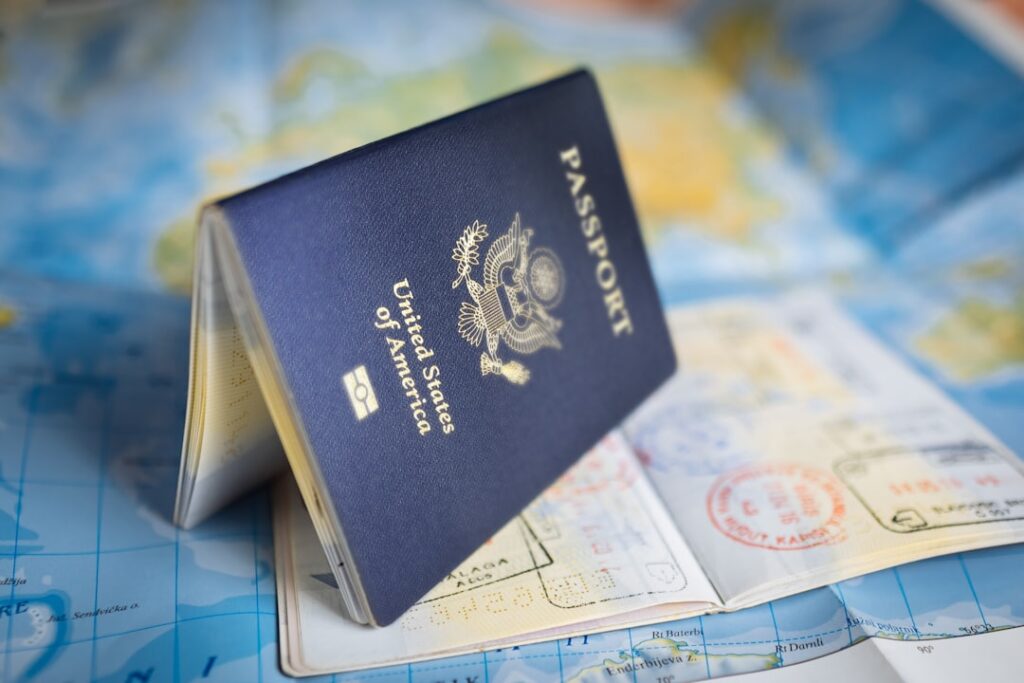
Students currently enrolled in U.S. programs may need to reassess their academic timelines to ensure compliance with the four‑year limit. Those who require additional time for degree completion could face the need to apply for a new visa admission, potentially incurring additional fees and processing delays. The reduced OPT grace period shortens the window for post‑graduation employment, affecting students who rely on OPT for work experience and for transitioning to employer‑sponsored visas [1][4].
You may also like
 News
NewsU.S. Stocks Climb as Weak Jobs Data Lowers Rate Hike Expectations
U.S. stocks rose following a weak jobs report that tempered expectations for Federal Reserve interest rate hikes. This shift in market sentiment is crucial for…
Read More →Higher‑education institutions are likely to experience increased administrative workload as they adapt enrollment records, update SEVIS submissions and advise students on the new regulations. The tighter CPT and OPT rules may also influence universities’ recruitment strategies for international students, as prospective applicants evaluate the reduced flexibility for practical training [1][2].
Key Facts
What: U.S. proposes to replace duration‑of‑status rules with fixed four‑year admission periods for F‑1 and J‑1 visas, alongside stricter CPT/OPT and SEVIS requirements.
When: Announced February 12, 2026; updated May 22‑24, 2026; latest proposal submitted June 18, 2026.
Impact: International students must align degree plans with a four‑year limit and face tighter work‑authorization rules; universities must adjust compliance and reporting systems.
Impact: International students must align degree plans with a four‑year limit and face tighter work‑authorization rules; universities must adjust compliance and reporting systems.
You may also like
 News
NewsAnup Bagchi Takes Charge as HDFC Bank MD & CEO
Anup Bagchi, with over three decades in financial services, is set to lead HDFC Bank starting October 27, 2026, following the retirement of Sashidhar Jagdishan.
Read More →Sources
- US Student Visa Rules 2026: Key Changes – IDP教育集团 – https://www.idp.com/blog/visa-rules-for-internaional-students-us/
- 2026 US Student Visa Rules: New Scrutiny and Restrictions – https://www.visaverge.com/news/congress-proposes-educational-visa-transparency-act-of-2026-to-tighten-student-tracking/
- Federal Government Updates for International Students and Scholars … – https://siss.ucdavis.edu/news/federal-government-updates-international-students-and-scholars
- US Ends Duration of Status: New 4-Year Student Visa Limits (2026) – https://www.visaverge.com/news/homeland-security-ends-duration-of-status-for-f-j-i-visas-tightens-study-limits/