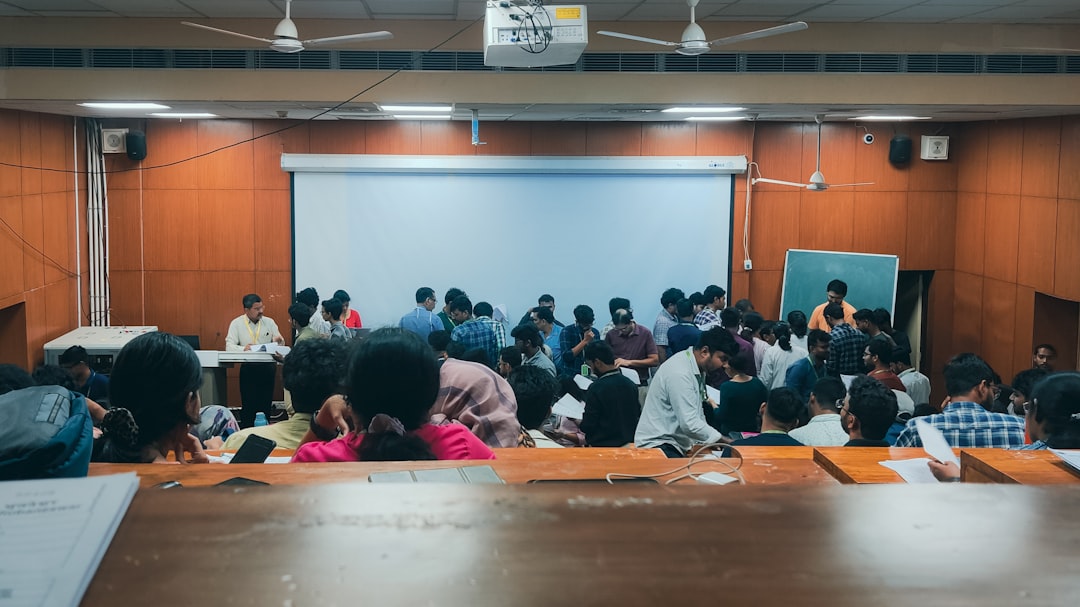
With NEET 2026 cutoffs rising sharply, candidates with ranks between 25,000 and 30,000 face significant challenges in securing government MBBS seats. Understanding state quotas and historical trends is essential for aspiring medical students.
India’s NEET 2026 results have sparked significant concern among aspiring medical students. With around 11.21 lakh candidates qualifying out of 20 lakh, the competition is fierce. Many candidates are left pondering whether a rank between 25,000 and 30,000 will suffice for securing a government MBBS seat.
The cutoffs have seen a sharp increase this year. Specifically, the qualifying cutoff for the Unreserved (UR) and Economically Weaker Section (EWS) categories has escalated from 686-144 in 2025 to 715-213 in 2026. With approximately 10,000 students scoring between 600 and 700, and another 90,000 falling within the 600 to 500 range, candidates with ranks around 25,000 to 30,000 face an uphill battle to secure a seat in government medical colleges.
State Quotas and Their Influence on Admissions
State quotas play a crucial role in determining admission chances for NEET candidates. Many states have a higher number of medical seats available, which can significantly influence the rank required for admission. For instance, Uttar Pradesh, Madhya Pradesh, and Rajasthan are known for having the most medical seats, making them advantageous for candidates aiming for government colleges.
According to an analysis by Career Ahead, candidates opting for seats in these states may find that a rank of 25,000 to 30,000 could still allow them access to some government medical colleges. This is particularly true for candidates who are flexible with their college choices and willing to consider options outside their home state.
However, the situation is different in states like Delhi, where the competition is much stiffer. The acceptance ranks in Delhi are significantly higher, making it much more challenging for candidates with ranks in the 25,000 to 30,000 range to secure a seat. This stark contrast highlights the importance of understanding state-specific admission dynamics.
Candidates must remain vigilant and adaptable during each counseling round, as seat availability can change rapidly based on student preferences and dropouts.
Furthermore, the three-round counseling process adds another layer of complexity. Candidates must remain vigilant and adaptable during each counseling round, as seat availability can change rapidly based on student preferences and dropouts. Keeping a close eye on official notifications is essential for candidates to maximize their chances of securing a seat.
Historical Trends in NEET Cutoffs
Analyzing historical cutoff trends provides valuable insights into what candidates can expect for NEET 2026. In previous years, cutoffs have fluctuated based on various factors, including the number of candidates, overall performance, and the number of available seats.
The CAT 2026 registration window is open until September 15, with the exam scheduled for November 29. MBA aspirants must understand the registration process and…
In 2025, for instance, the cutoff for the General/EWS category was set at 276 for the 50th percentile, which was lower than the 291 cutoff in 2023. This year, however, the cutoff has jumped significantly, reflecting a more competitive examination cycle. Candidates in the 25,000 to 30,000 rank range should take note of this upward trend, as it suggests that securing a government seat may require a higher rank than in previous years.
Additionally, data from pw.live indicates that the increasing number of aspirants and the rising difficulty level of the NEET exam contribute to these higher cutoffs. This trend indicates that candidates should prepare for a more competitive environment in the upcoming years, particularly those aiming for government medical colleges.
Candidates must understand these nuances to develop effective strategies for their applications.
Moreover, the impact of state quotas cannot be overstated. As noted by collegedunia.com, the distribution of medical seats varies widely from state to state, further complicating the admission landscape. Candidates must understand these nuances to develop effective strategies for their applications.
Strategies for Candidates with 25,000-30,000 Ranks
For candidates with ranks between 25,000 and 30,000, focusing on states with a higher number of medical seats is crucial. This strategy may enhance their chances of gaining admission, especially if they are open to less popular colleges that still offer quality education.
As the NEET counseling process unfolds, candidates must remain proactive and informed. Keeping track of notifications, understanding the dynamics of each counseling round, and being flexible with college choices will be essential for navigating this challenging environment.
In light of these trends, candidates should not lose hope. While the competition is fierce, strategic planning, including awareness of state-specific quotas and historical trends, can still lead to successful admissions in government medical colleges.
While the competition is fierce, strategic planning, including awareness of state-specific quotas and historical trends, can still lead to successful admissions in government medical colleges.
The Uttar Pradesh Police Recruitment and Promotion Board has announced the results for the UP Police Constable Recruitment Exam 2026, with Document Verification and Physical…
The implications of the NEET 2026 results and the rising cutoffs are significant for aspiring medical students. Candidates with ranks in the 25,000 to 30,000 range must be prepared for a competitive admission process, particularly when aiming for government medical colleges.
Ultimately, the NEET 2026 results and the accompanying counseling process present a challenging yet navigable landscape for aspiring medical students. Understanding the dynamics at play will be crucial for success.