In response to missile interceptions, UAE schools and universities are shifting to remote learning for safety. This decision reflects ongoing security concerns and the need for educational continuity.
UAE — Following recent missile interceptions, the United Arab Emirates has made a significant shift in its education system. From May 5 to May 8, 2026, universities and schools will conduct classes online. This decision comes as a precautionary measure to ensure the safety of students and staff amid escalating security threats.
The Ministry of Higher Education and Scientific Research announced that the move aims to maintain educational continuity while prioritizing safety. Classes will be held online, except for courses requiring in-person attendance, such as clinical training and laboratory work. These exceptions underscore the government’s commitment to balancing safety with educational needs.
According to Economic Times, the decision follows reports of four cruise missiles launched from Iran toward the UAE. While three were intercepted over territorial waters, one fell into the sea. This situation has prompted authorities to act swiftly to protect the educational community.
Security Concerns and Educational Adjustments
The recent missile interceptions highlight ongoing geopolitical tensions in the region. The UAE has faced security threats before, but the scale of this incident has raised alarms. As a result, the government is taking proactive measures to safeguard its citizens, particularly students.
In light of these developments, the Ministry of Defence has emphasized the importance of preparedness and response. The sounds heard across various regions were due to the interception of these aerial threats. This has led to increased vigilance among educational institutions and the wider community.
Security Concerns and Educational Adjustments The recent missile interceptions highlight ongoing geopolitical tensions in the region.
According to Ed World, the transition to remote learning is not just a temporary fix but a necessary adjustment to ensure safety. The government plans to reassess the situation later this week, indicating that the remote learning period may extend if necessary.
Challenges and Opportunities for Students and Educators
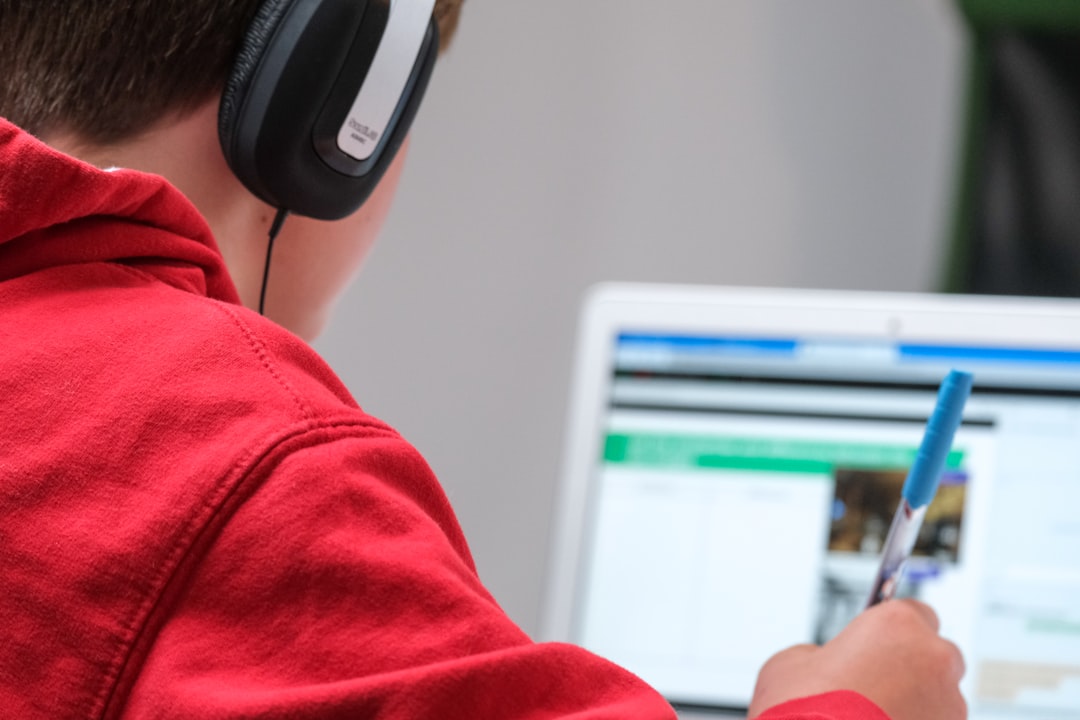
The shift to online classes presents both challenges and opportunities for students and educators. For many students, this is a familiar mode of learning, especially since remote education became prevalent during the COVID-19 pandemic. However, the abrupt nature of this transition may still disrupt learning schedules and routines.
RBI Governor Sanjay Malhotra emphasizes the bank's support for blockchain technology while expressing caution regarding cryptocurrencies due to their potential impact on monetary policy.
Educators are also adapting to this change. Many have had to quickly pivot their lesson plans to suit an online format. This requires not only technical skills but also a shift in teaching methods to engage students effectively in a virtual environment.
Moreover, the mental health of students is a crucial factor during this transition. Remote learning can lead to feelings of isolation, and educators must be aware of these challenges. Schools and universities need to provide support systems to help students navigate this period successfully.
Schools and universities need to provide support systems to help students navigate this period successfully.
Long-Term Effects on the Education System
The recent events may have lasting effects on the UAE’s education system. The government’s swift response to security threats demonstrates a model that other nations may look to for guidance. As educational institutions become more resilient, they may incorporate more flexible learning options in the future.
Incorporating technology into education has been a growing trend, but this situation may accelerate that shift. Schools and universities may invest more in digital infrastructure, ensuring that they are prepared for any future disruptions. This could lead to a more hybrid model of education that blends in-person and online learning.
Furthermore, the UAE’s proactive measures may influence educational policies in other regions facing similar security challenges. Observing how the UAE manages this situation could provide valuable insights for global educational leaders.
Regional Implications and Global Observations
The geopolitical landscape in the Middle East is complex, and incidents like missile interceptions can have broader implications. The UAE’s response may impact its diplomatic relations with neighboring countries. A strong stance on security can bolster the UAE’s position in regional politics.
Education is a critical sector for the country, and ensuring its continuity is vital for maintaining a skilled workforce.
Additionally, the shift to remote learning may affect the UAE’s economic landscape. Education is a critical sector for the country, and ensuring its continuity is vital for maintaining a skilled workforce. As the UAE navigates these challenges, its economic resilience will be tested.
Moreover, the international community is watching closely. How the UAE handles this situation could set precedents for other nations dealing with security threats. The balance between safety and education will be a key focus in the coming weeks.





 Government & Policy
Career Tips