Uber has been fined €825 million by the Dutch Data Protection Authority for using automated systems to deactivate driver accounts without adequate human oversight. This penalty underscores the regulatory challenges facing the automated driving sector.
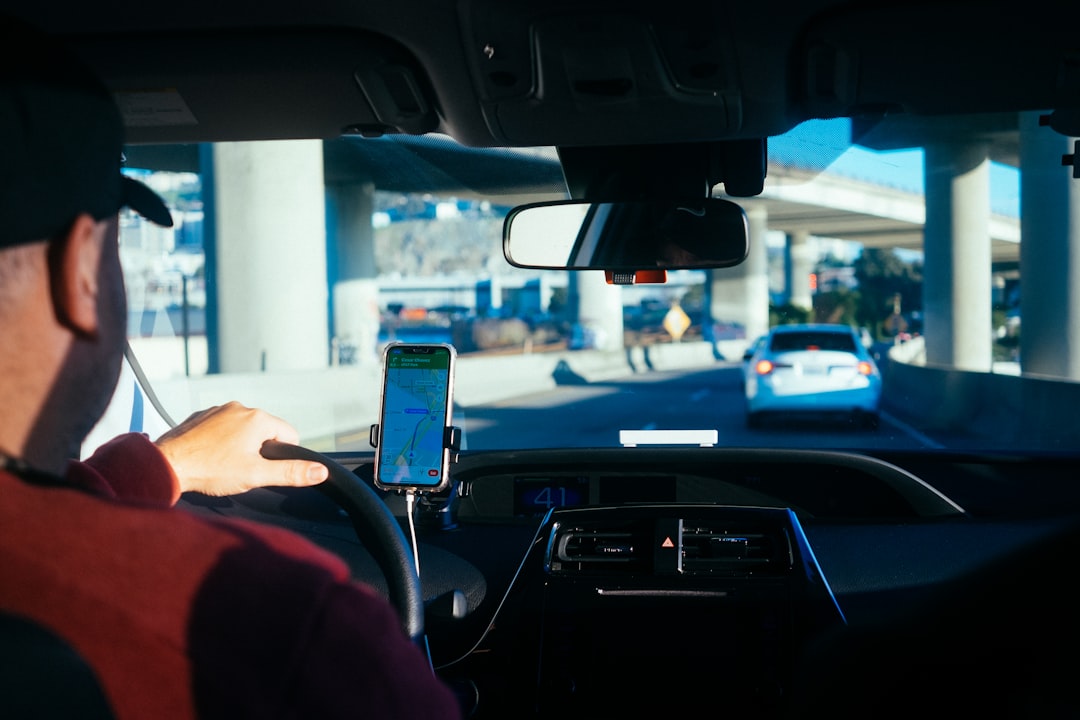
Amsterdam, Netherlands — Uber has been fined €825 million (approximately $966 million) by the Dutch Data Protection Authority for utilizing automated systems to suspend driver accounts without sufficient human oversight. This penalty marks one of the largest fines issued under the European General Data Protection Regulation (GDPR), highlighting the ongoing regulatory challenges faced by companies in the automated driving sector.
The investigation revealed that Uber deactivated driver accounts through an automated process, often without informing the drivers or providing them the opportunity for appeal. Deputy chair Monique Verdier stated that Uber committed serious violations, emphasizing that significant decisions should not be left solely to automated systems. Uber plans to appeal the decision, arguing that most suspensions are temporary and that there are human reviews for permanent deactivations.
Financial Consequences for Automated Driving Companies
The nearly $1 billion fine against Uber serves as a stark warning to the automated driving industry about the financial risks associated with regulatory non-compliance. Such penalties can strain budgets and resources, potentially leading to delays in ongoing and future automated driving projects. Companies may find themselves reallocating funds to cover fines, which could impact their ability to invest in research and development.
As regulatory scrutiny intensifies, engineers in the automated driving sector must adapt their projects to meet evolving standards. This adaptation may require companies to enhance their compliance protocols to ensure that automated systems are transparent and accountable. The necessity for human oversight in decision-making processes will become a critical focus for engineers. According to a report from TechCrunch, the Dutch regulator stressed that major decisions should not be made solely by algorithms, underscoring the ethical implications of relying on automated systems without human input.
Reputational Risks and Industry Response
Beyond immediate financial implications, regulatory fines can lead to significant reputational damage for companies. This damage can affect partnerships, customer trust, and overall market position. Engineers and compliance specialists must collaborate to develop strategies that not only meet regulatory requirements but also uphold the integrity and reputation of their organizations. As noted by Cybernews, the fine against Uber reflects a growing trend where regulators closely examine tech companies, particularly those engaged in automated decision-making.
Finland has halted Google's data center projects due to environmental assessment concerns, impacting the tech giant's expansion plans in Europe and raising questions about compliance…
In light of Uber’s substantial fine, automated driving engineers should prepare for a future where compliance is paramount.
In light of Uber’s substantial fine, automated driving engineers should prepare for a future where compliance is paramount. This preparation may involve investing in training to better understand regulatory frameworks and developing systems that prioritize transparency and human oversight. The shift towards more accountable automated systems could significantly alter the role of engineers in the industry, making compliance a key aspect of technology development.
Evolution of Compliance Protocols in the Automated Driving Sector
The fine imposed on Uber signals a trend towards stricter regulatory oversight of automated driving systems. As companies navigate this complex landscape, compliance specialists will play a crucial role in ensuring that technology adheres to legal and ethical standards. Research indicates that compliance roles in the automated driving sector may evolve to encompass more oversight and auditing functions.
Companies may need to establish new compliance protocols that integrate automated systems with human oversight. This could involve creating stronger reporting mechanisms for real-time monitoring of automated decisions. Compliance specialists will need to work closely with engineers to design systems that not only comply with regulations but also enhance user experience. The focus on accountability is likely to spur the development of new technologies aimed at improving transparency in automated systems, ensuring that companies can justify the actions taken by their systems.
Future Job Opportunities and Industry Adaptation
The shift towards enhanced compliance protocols may also create new job opportunities within the automated driving sector. As companies bolster their compliance teams, roles focused on regulatory analysis and risk assessment will become increasingly important. Engineers with expertise in compliance and a solid understanding of regulations may find themselves in high demand. The financial strain from fines like Uber’s may prompt companies to reconsider their approach to automated driving projects, potentially prioritizing compliance over rapid technological advancement.
As the automated driving industry continues to evolve, engineers and compliance specialists must remain agile in adapting to regulatory changes. The ability to anticipate and respond to new requirements will be essential for success. In summary, Uber’s near $1 billion fine serves as a critical reminder of the growing regulatory pressures in the automated driving sector. Engineers and compliance specialists must work together to navigate these challenges, ensuring that technology development aligns with legal and ethical standards.
Engineers and compliance specialists must work together to navigate these challenges, ensuring that technology development aligns with legal and ethical standards.
Frequently Asked Questions
What are the implications of Uber’s fine for automated driving engineers?
Uber’s fine underscores the necessity for automated driving engineers to prioritize compliance. As regulations tighten, engineers must adapt their systems to ensure transparency and human oversight in automated decisions.
How should regulatory compliance specialists prepare for increased scrutiny in the automated driving sector?
Compliance specialists should focus on understanding evolving regulations and developing robust compliance protocols that incorporate human oversight. This preparation is vital for navigating the complexities of automated driving technology.
What steps should automated driving engineers take to mitigate risks associated with regulatory fines?
Engineers should invest in training to understand regulatory requirements and collaborate with compliance specialists to design systems that prioritize transparency and accountability. This proactive approach will help reduce risks from potential regulatory fines.




Government & Policy
 Government & Policy