No products in the cart.

UK Inflation Holds at 2.8% Amid Transport Cost Surge
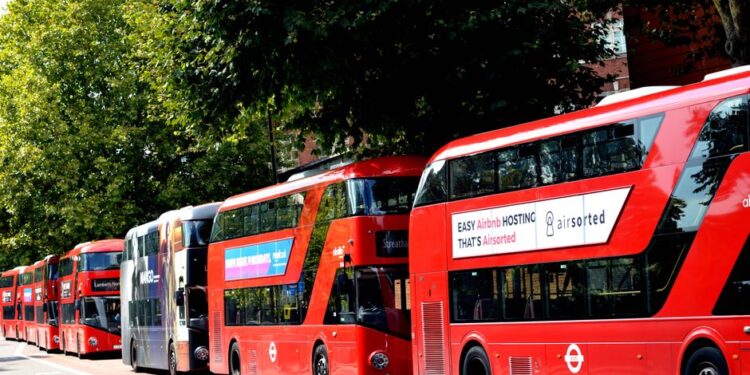
UK inflation remains unchanged at 2.8% as of June 2026, primarily due to rising transport costs being offset by slower increases in food prices.

UK inflation remains steady at 2.8% as of June 2026. This stability is mainly due to rising transport costs being balanced by slower food price increases. This situation has important implications for transport economists and food industry analysts. They must adjust their pricing strategies and economic forecasts accordingly.
Transport costs have risen significantly, with annual increases reaching 6.8%. This is the highest rate since December 2022. The rise is mainly due to higher airfares, motor fuel prices, and sea fares. These changes reflect seasonal factors and ongoing geopolitical tensions. In contrast, food prices have slowed down, showing the lowest inflation rate since December 2024. This slowdown has helped stabilize overall inflation. According to the Motor Trade News, food inflation has particularly dropped in categories like meat, cheese, and vegetables, giving some relief to consumers.
Impact of Rising Transport Costs on Inflation Rates
The rise in transport costs is a key factor affecting inflation in the UK. Recent data shows that airfares increased by 10.3% between April and May 2026. This rise significantly impacts consumer spending and overall price levels. The average motor fuel price is now 157.4p per liter, adding to inflation pressure. Transportation costs are essential to the supply chain. The BBC notes that these transport cost increases affect consumer prices and have wider implications for businesses that depend on logistics and distribution.
Career Ahead’s analysis suggests that rising transport costs may impact various sectors, especially food and retail. As transport expenses increase, businesses might pass these costs onto consumers. This could lead to higher prices for goods and services. Food industry analysts face challenges in predicting how these costs will affect pricing strategies. Additionally, an error correction in the Vehicle Excise Duty (VED) series may further influence transport costs. This adjustment shows the need for transport economists to monitor policy changes and their economic effects closely. The link between transport costs and inflation rates requires industry professionals to adapt their strategies proactively.
The BBC notes that these transport cost increases affect consumer prices and have wider implications for businesses that depend on logistics and distribution.
As transport costs keep rising, the effects on inflation may go beyond immediate price hikes. The Bank of England plans to maintain a cautious approach to interest rates. This means significant changes may be delayed until inflation stabilizes. Transport economists must stay alert and adaptable. Changes in transport costs could lead to unexpected shifts in consumer behavior and economic conditions. Ongoing geopolitical tensions, especially in oil-affected regions, complicate matters. These tensions can cause unpredictable spikes in transport costs that businesses and consumers may struggle to absorb.
Analysis of Food Price Trends and Their Implications
While transport costs rise, food prices have slowed down. Food inflation fell to 2.2% in May 2026. This decline is significant for food industry analysts, suggesting a temporary relief for consumers and businesses. However, experts warn that this trend may not last. Input costs for food production continue to rise. The Food and Drink Federation has raised concerns that while food inflation has eased, prices may rise again due to increased transport, packaging, and energy costs. Ongoing geopolitical tensions could also affect supply chains and food production costs. Food industry analysts must prepare for potential volatility in food prices, impacting consumer purchasing decisions and market stability.
Career Ahead research indicates that current food pricing trends may lead to strategic changes for food sector businesses. With slower price rises, companies might focus on optimizing supply chains and improving operational efficiencies. This shift could help businesses maintain competitive pricing amid inflation. The connection between transport costs and food prices emphasizes the need for a comprehensive economic analysis. Food industry analysts must understand how changes in transport expenses can impact food pricing strategies. This interconnectedness requires a deep understanding of market dynamics and quick adaptation to changes.
As food prices stabilize, businesses may have the chance to reassess their pricing models. However, the potential for future food inflation increases means ongoing monitoring and analysis will be crucial. The current environment presents both challenges and opportunities for food industry analysts. They must refine their strategies and build resilience against inflation pressures. The decline in food inflation is welcome but may lead to complacency if businesses do not stay proactive in pricing and supply chain management.

Ultimately, the current inflation dynamics present challenges and opportunities for transport economists and food industry analysts. Navigating these complexities requires anticipating market shifts and adjusting strategies. Ongoing monitoring of transport and food price trends will be vital for shaping the future of these sectors.
Career Ahead research indicates that current food pricing trends may lead to strategic changes for food sector businesses.
Frequently Asked Questions
How will the inflation rate affect transport sector pricing strategies?
Career Ahead analysis shows that rising transport costs will likely force businesses to adjust their pricing strategies. Companies may use dynamic pricing models to respond to changes in transport expenses, leading to higher prices for consumers.
What are the implications of slower food price rises for food industry analysts?
The slowdown in food price inflation offers a temporary reprieve for food industry analysts. However, uncertainties about input costs and geopolitical tensions mean analysts must stay vigilant and adaptable in their pricing strategies.
What should transport economists consider in light of the current inflation rate?
Transport economists should closely monitor the link between transport costs and inflation rates. Understanding how rising transport expenses impact overall inflation is crucial for making informed economic forecasts and recommendations.
Related Articles
- Wharton Alumnus Invests $50 Million
Written by Career Ahead AI. AI can make mistakes, so verify key facts. Report errors to support@careeraheadonline.com.