No products in the cart.

Ukraine’s Black Sea Port Closures Threaten Agricultural Exports

The closure of Ukraine's Black Sea ports poses a significant threat to agricultural exports, potentially halving volumes. This disruption calls for a reevaluation of global supply chain strategies and sourcing approaches.

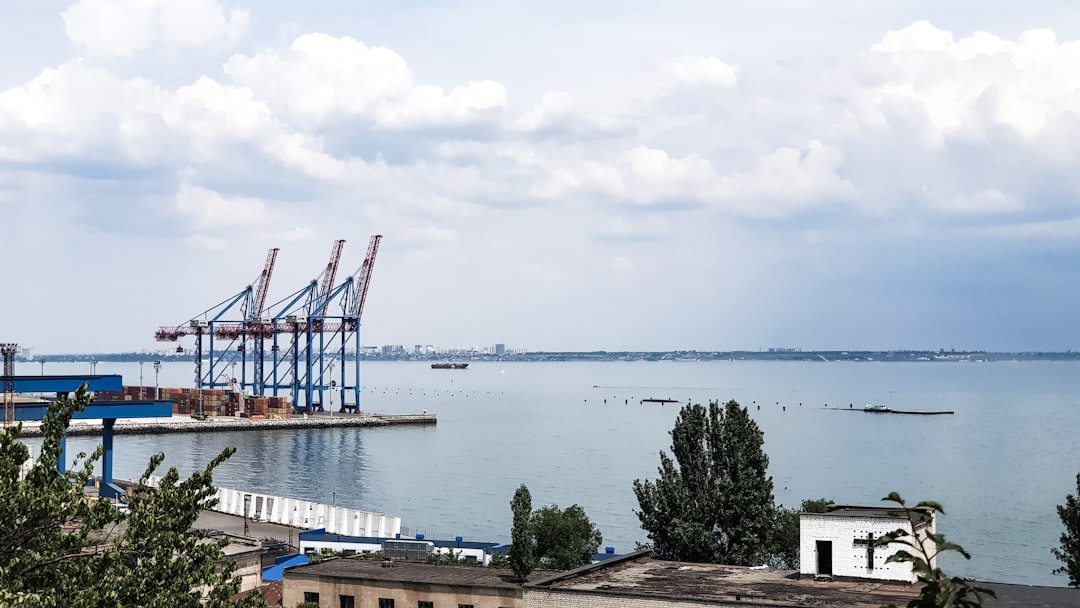
Ukraine’s agricultural exports may be cut in half as the country’s Black Sea ports remain effectively shut due to ongoing Russian airstrikes. The situation has forced Ukraine to explore alternative shipping routes, significantly impacting the global food supply chain. According to Ukraine’s agriculture minister, Taras Vysotskyi, grain exports have plummeted to just 590,000 tons this month, which is only 30% of the necessary volume.
This disruption in the Black Sea region is critical, as these ports are responsible for loading around 90% of Ukraine’s agricultural shipments destined for international markets. The implications of these closures extend beyond Ukraine, threatening food security across various countries that rely heavily on Ukrainian grain.
Impact on Global Food Supply Chains
The closure of Ukraine’s Black Sea ports is causing a ripple effect in global food supply chains. Countries that depend on Ukrainian agricultural products, such as wheat and corn, face immediate shortages. This situation is exacerbated by the fact that Ukraine is one of the world’s largest grain exporters, supplying about 10% of global wheat and 15% of corn.
As noted by Career Ahead’s analysis of data from commodity-board.com, the ongoing conflict has led to a significant reallocation of agricultural exports towards high-value products. This shift not only alters the types of goods being exported but also increases competition among countries vying for market share in staple crops.
Increased shipping costs are another consequence of the port closures. With fewer vessels able to access Ukrainian ports, shipping companies are raising their rates to account for the risk and longer routes. This increase in transportation costs will likely be passed on to consumers, further straining food prices globally.
Moreover, the World Bank has indicated that the economic ramifications of these closures could lead to a food crisis in regions heavily reliant on imports from Ukraine. Countries in Africa and the Middle East, which import significant quantities of grain from Ukraine, are particularly at risk. The potential for unrest and instability in these regions is a growing concern.
The immediate reduction in available shipping routes and increased costs necessitate a shift in how these professionals approach sourcing and logistics.
Reevaluation of Export Strategies
As the situation evolves, agricultural export managers must reevaluate their strategies in light of the disruptions caused by the Black Sea port closures. The immediate reduction in available shipping routes and increased costs necessitate a shift in how these professionals approach sourcing and logistics.
Career Ahead’s research identifies that agricultural export managers should consider diversifying their supply chains. Relying heavily on Ukrainian exports may have been a viable strategy in the past, but current events highlight the risks of such dependency. Exploring alternative sourcing options from other countries can help mitigate potential losses.
Additionally, supply chain analysts need to assess the risks associated with fluctuating shipping costs and potential delays. The need for robust risk management strategies has never been more critical. Analysts should focus on developing contingency plans that account for potential disruptions and price volatility.
Future Implications and What to Watch The ongoing situation in Ukraine raises critical questions about the future of agricultural exports and global food security.
In light of the closure, the need for transparency in supply chains becomes paramount. Companies should invest in technologies that enhance supply chain visibility, allowing them to respond more effectively to changes in the market. This could involve adopting advanced analytics tools that enable better forecasting and decision-making.
Lastly, the importance of collaboration among stakeholders in the agricultural sector cannot be overstated. By working together, companies can share insights and strategies to navigate the challenges posed by the current crisis. This collaborative approach can lead to innovative solutions that benefit the entire industry.
Future Implications and What to Watch
The ongoing situation in Ukraine raises critical questions about the future of agricultural exports and global food security. As the conflict continues, it remains uncertain how long the Black Sea ports will remain closed and what the long-term effects will be on the agricultural sector.
Experts are closely monitoring the developments in Ukraine to assess how they will influence global commodity prices. A prolonged disruption could lead to significant price hikes for basic food items, affecting millions of consumers worldwide. The situation calls for vigilance from agricultural export managers and supply chain analysts alike.

Moreover, the geopolitical landscape is shifting, with countries reevaluating their dependencies on certain agricultural imports. This could lead to changes in trade agreements and partnerships as nations seek to secure their food supplies. The need for diversification in sourcing strategies will become increasingly important as countries aim to reduce their vulnerability to similar disruptions in the future.
As the world watches the situation unfold, the agricultural sector must remain agile and responsive. The ability to adapt to changing circumstances will be vital for maintaining stability in food supply chains and ensuring that consumers have access to essential products.
The ability to adapt to changing circumstances will be vital for maintaining stability in food supply chains and ensuring that consumers have access to essential products.
Frequently Asked Questions
What are the implications of Black Sea port closures for agricultural export managers?
The closures may lead to a significant reduction in available shipping routes and increased costs, forcing managers to diversify their sourcing strategies and enhance risk management practices.
How can supply chain analysts mitigate risks from reduced agricultural exports?
Analysts should focus on developing robust contingency plans, investing in supply chain visibility technologies, and collaborating with stakeholders to navigate the challenges posed by the current crisis.
What should agricultural export managers do about the current situation in Ukraine?
Managers should reevaluate their sourcing strategies, consider alternative suppliers, and closely monitor market developments to adapt to the evolving situation.
Related Articles
- R M Naik Assumes Role as NAU Vice-Chancellor
Written by Career Ahead AI. AI can make mistakes, so verify key facts. Report errors to support@careeraheadonline.com.