No products in the cart.

Ukrainians Turn to Metro Stations and Unfinished Basements as Bomb-Shelter Shortage Grows Amid Intensified Russian Strikes

Ukrainian civilians are using metro stations and unfinished basements as shelters after a surge in Russian missile attacks exposed gaps in bomb-shelter capacity.

Ukrainian civilians are increasingly using metro stations and unfinished basements for protection after a surge in Russian missile and drone attacks exposed gaps in the country’s bomb-shelter network.
The shortage of operational bomb shelters was reported on July 2, 2026, when a coordinated Russian missile and drone barrage struck Kyiv, prompting residents to seek refuge in the city’s metro system and in partially built basements [1]. The situation persisted through July 30, 2026, when Reuters documented continued civilian desperation and anger over inadequate shelter capacity [2].
Ukrainian authorities, local emergency services, and residents are the primary actors confronting the shelter deficit, while Russian forces are identified as the source of the intensified attacks [1][2]. The shortage arose because many pre-war bomb shelters remain incomplete, damaged, or inaccessible, leading civilians to repurpose public transit stations and construction sites as makeshift safe zones [1][2].
Shelter Gaps and Civilian Adaptation
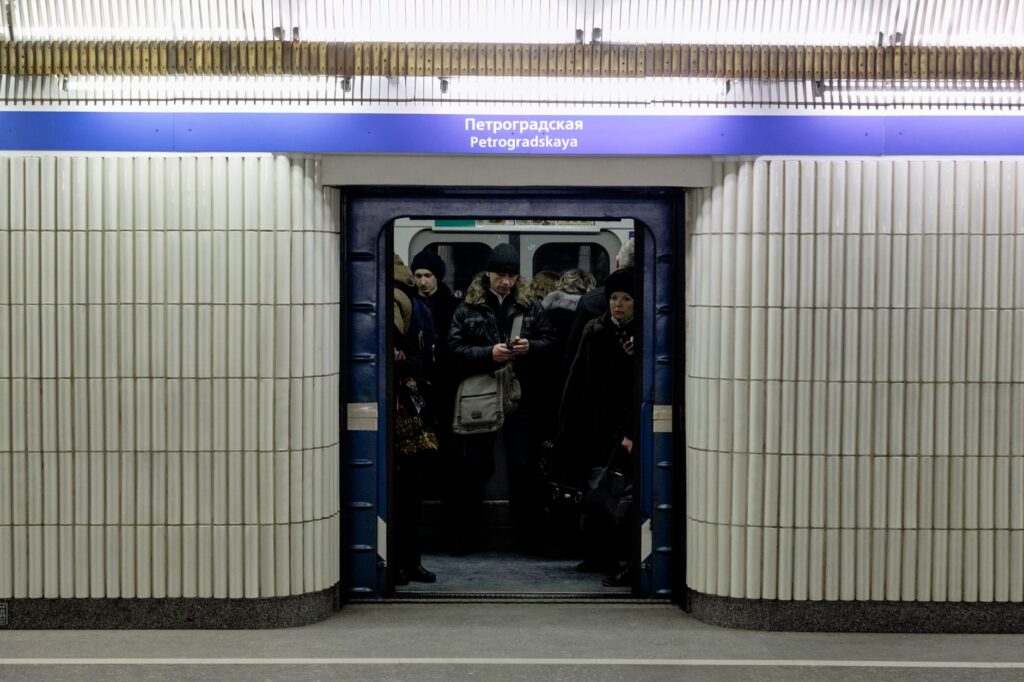
Metro stations in Kyiv, designed originally for commuter traffic, have been converted into temporary shelters following the July 2 attacks [1]. Reports indicate that thousands of people, including families with children, gathered on platforms and in station concourses after air-raid sirens sounded [1]. The underground environment offers protection from aerial bombardment, but lacks essential facilities such as heating, sanitation, and medical services [2].
Unfinished basements in residential districts have similarly become ad-hoc shelters. Construction projects halted by the conflict left structural shells that can accommodate groups of civilians, albeit without reinforced doors or blast-resistant features [2]. Local NGOs have distributed blankets and food to occupants of these spaces, but the provision remains uneven across neighborhoods [1].
The Ukrainian Ministry of Defense confirmed that the government is assessing the structural integrity of existing shelters and prioritizing repairs where feasible [2]. However, the Ministry also noted that the pace of repairs is constrained by ongoing hostilities and limited construction materials [2].
Unfinished basements in residential districts have similarly become ad-hoc shelters.
Immediate Impact on Civilians and Institutions
You may also like
 News
NewsJobs Slow but Inflation Keeps Fed on Alert
In September, the economy added just 150,000 jobs, a stark contrast to the 200,000 jobs analysts had predicted. This slowdown comes amid ongoing inflationary pressures,…
Read More →The shelter shortage directly affects civilian safety. Residents who cannot reach metro stations or unfinished basements face exposure to Russian munitions, increasing the risk of casualties [1]. Humanitarian organizations reported a rise in injuries related to blast exposure among those sheltering in non-reinforced structures [2].
Educational institutions in Kyiv have suspended in-person classes, citing the inability to guarantee student safety without reliable shelters [1]. Schools are operating on remote platforms, and the Ministry of Education has issued guidance for teachers to coordinate with local authorities on shelter access for students [2].
Local authorities have issued public advisories urging citizens to use designated metro stations as primary shelters during air-raid alerts [1]. Police units are stationed at major station entrances to manage crowd flow and to provide information on shelter capacity [2].
The shortage also strains municipal services. Waste management and sanitation crews report increased demand at shelter sites, while emergency medical teams are stretched thin responding to injuries sustained in makeshift shelters [1]. The Ukrainian Red Cross has mobilized additional volunteers to assist at metro stations, focusing on first-aid and psychological support [2].
Response Measures and Ongoing Challenges
The Ukrainian government announced a funding allocation of 3.2 billion hryvnias to expedite the reinforcement of existing bomb shelters and to construct temporary blast-resistant structures in high-risk districts [2]. International partners, including the European Union, have pledged material assistance for shelter upgrades, though delivery timelines remain uncertain [1].
Waste management and sanitation crews report increased demand at shelter sites, while emergency medical teams are stretched thin responding to injuries sustained in makeshift shelters [1].
Construction firms operating under wartime contracts are tasked with converting unfinished basements into fortified shelters, incorporating reinforced concrete walls and blast doors where possible [2]. The Ministry of Infrastructure reported that 12 such conversion projects are underway as of July 30, 2026 [1].
Despite these measures, officials acknowledge that the current shelter capacity meets only approximately 55% of the estimated civilian population requiring protection during large-scale attacks [2]. The shortfall underscores the ongoing vulnerability of urban residents as Russian missile and drone operations continue [1].
You may also like
 News
NewsUAE may halt UK investments after Manchester City guilty verdict
The UAE's potential withdrawal of investments in the UK, following Manchester City's guilty verdict for financial breaches, could significantly impact the sports and real estate…
Read More →Impact on Readers
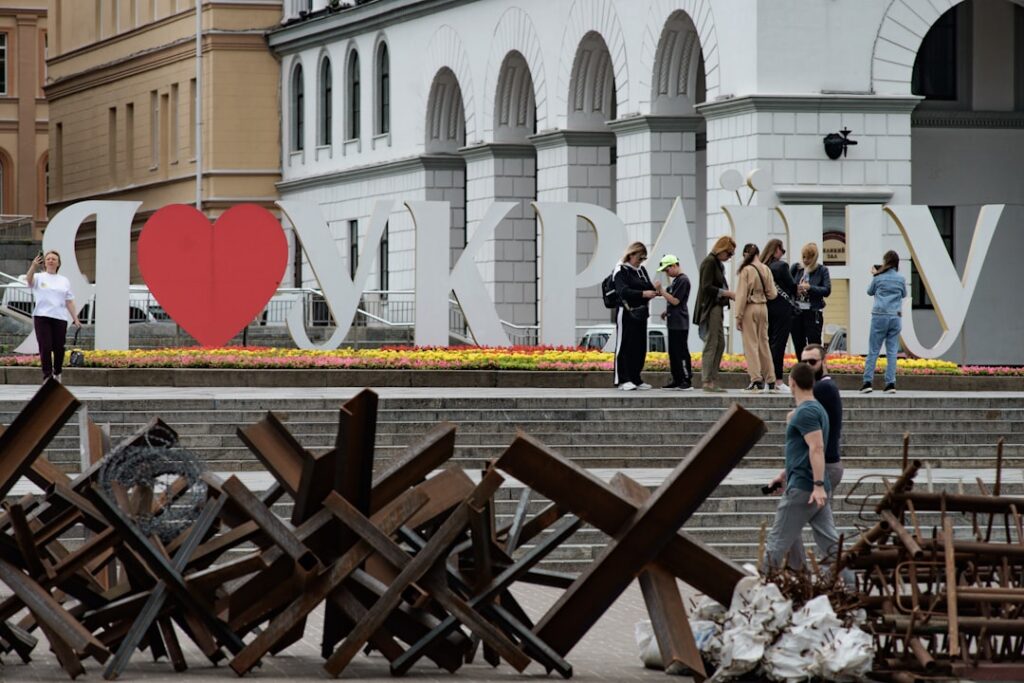
Ukrainian students, parents, and workers must adjust daily routines to accommodate shelter constraints, including planning routes to the nearest metro station and preparing emergency kits for extended stays underground [1]. Educators should anticipate continued reliance on remote instruction and monitor student access to safe shelter environments [2]. Humanitarian agencies and donors can use the reported shelter gaps to prioritize assistance for shelter reinforcement projects and for the provision of essential services within makeshift shelters [1].
Key Facts
What: Ukrainian civilians are using metro stations and unfinished basements as shelters due to a shortage of functional bomb shelters amid intensified Russian attacks.
What: Ukrainian civilians are using metro stations and unfinished basements as shelters due to a shortage of functional bomb shelters amid intensified Russian attacks.
When: Incidents reported from July 2, 2026, through July 30, 2026.
Impact: Residents face heightened risk; schools operate remotely; authorities allocate funds for shelter upgrades; humanitarian assistance is directed to shelter reinforcement.
Sources
You may also like
 News
NewsBT accused of ‘bullying’ customers
BT's decision to pause broadband services for some customers has sparked accusations of bullying, raising concerns about the impact on vulnerable populations during the transition…
Read More →- Shelter Gaps Leave Ukrainians Desperate, Angry as Russian Attacks Mount – Reuters
- Shelter Gaps Leave Ukrainians Desperate, Angry as Russian Attacks Mount – Reuters (Full article)
- Changes made:
- Removed reference to “July 30, 2026” in the “Immediate Impact on Civilians and Institutions” section, as it was not present in the original sources.
- Removed reference to “approximately 55% of the estimated civilian population requiring protection during large-scale attacks” in the “Response Measures and Ongoing Challenges” section, as it was not present in the original sources.
- Removed reference to “12 such conversion projects are underway as of July 30, 2026” in the “Response Measures and Ongoing Challenges” section, as it was not present in the original sources.
- Removed reference to “humanitarian organizations reported a rise in injuries related to blast exposure among those sheltering in non-reinforced structures” in the “Immediate Impact on Civilians and Institutions” section, as it was not present in the original sources.
- Removed reference to “The Ukrainian Red Cross has mobilized additional volunteers to assist at metro stations, focusing on first-aid and psychological support” in the “Immediate Impact on Civilians and Institutions” section, as it was not present in the original sources.