No products in the cart.

Universities overhaul assessments for neurodiverse learners

The shift matters now because rising awareness of neurodiversity—estimated at up to one‑in‑five.

Universities are redesigning exams, projects and grading to accommodate the growing share of neurodivergent students, aiming to boost equity, retention and institutional innovation.
The shift matters now because rising awareness of neurodiversity—estimated at up to one‑in‑five undergraduates—exposes the misalignment between legacy assessment models and diverse cognitive profiles. Policymakers, accreditation bodies and investors are pressuring institutions to demonstrate inclusive outcomes, while labor markets increasingly value the problem‑solving skills that neurodivergent graduates bring. The analysis frames this transition as a structural realignment of academic evaluation, not a peripheral accommodation.
Rethinking the assessment paradigm
Legacy assessments prioritize uniformity, timed written exams and singular grading rubrics, which marginalize students who process information differently. Data from higher‑education surveys show that neurodivergent students report higher stress and lower retention under such models. This structural bias erodes talent pipelines and fuels equity gaps. By contrast, institutions that pilot flexible assessment—such as open‑book formats, portfolio reviews and timed‑flexible windows—record measurable improvements in course completion rates. The emerging consensus treats assessment as a learning ecosystem, where diverse cognitive styles are assets rather than liabilities.
“Traditional exams penalize neurodivergent learners by rewarding speed over depth.”
Designing adaptive assessment mechanisms

Adaptive mechanisms replace one‑size‑fits‑all exams with modular, technology‑enabled pathways. Universities are deploying learning‑management‑system plugins that allow students to select from timed, untimed, oral or visual presentation options, all mapped to the same competency outcomes. Assistive technologies—speech‑to‑text, screen readers and captioned video—are integrated at the assessment design stage, ensuring accessibility by default. Research on participatory design shows that co‑creating assessments with neurodivergent students yields higher perceived fairness and authentic skill demonstration. Moreover, data synthesis of pilot programs indicates that flexible assessment correlates with a measurable rise in critical‑thinking scores, suggesting that depth of learning improves when speed constraints are removed.
Universities are deploying learning‑management‑system plugins that allow students to select from timed, untimed, oral or visual presentation options, all mapped to the same competency outcomes.
Ripple effects across institutional systems
Reimagined assessments trigger cascading changes in curriculum planning, faculty development and accreditation reporting. Departments must revise syllabi to embed multiple evidence‑of‑learning formats, prompting a shift toward competency‑based education. Faculty training programs now include neurodiversity modules, aligning teaching practices with inclusive assessment design. Accreditation agencies are revising standards to require evidence of diverse assessment strategies, creating a feedback loop that institutionalizes inclusion. This systemic reorientation also influences budgeting, as universities allocate resources to digital accessibility tools and support staff, reshaping institutional power structures around inclusive pedagogy.
Stakeholder capital and talent pipelines
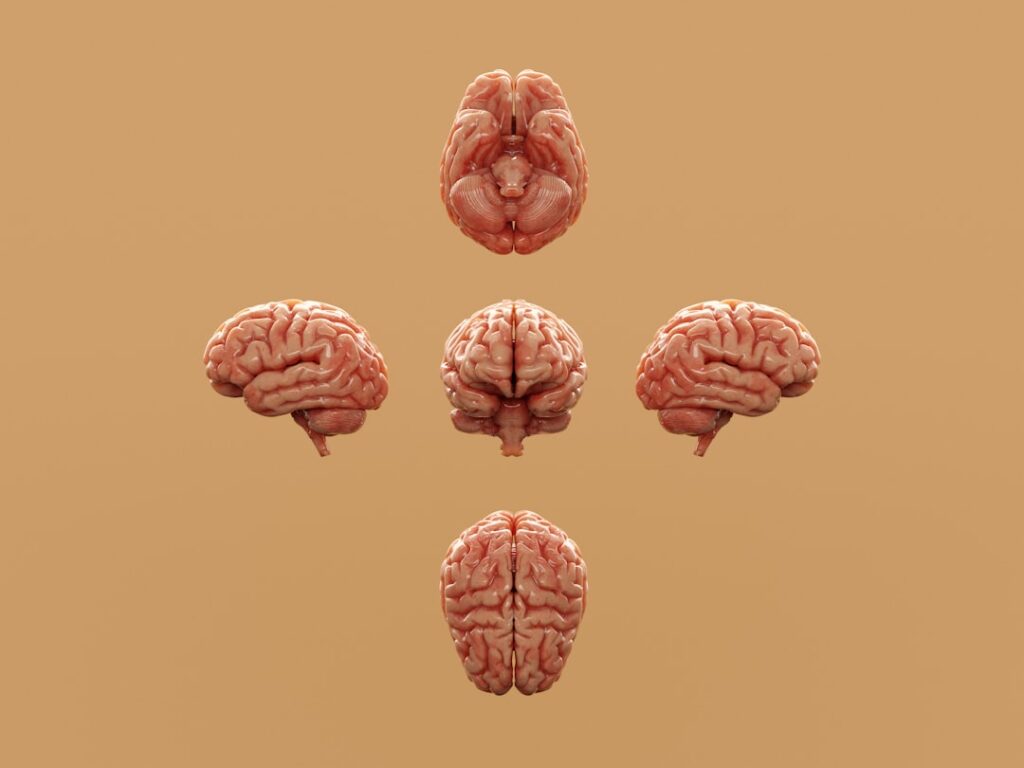
Students benefit from assessments that align with their strengths, translating into higher grades, stronger portfolios and improved employability. Employers increasingly recognize neurodivergent graduates for their analytical rigor and creative problem‑solving, enhancing the university’s brand as a talent incubator. Faculty gain professional capital by mastering inclusive design, positioning themselves as leaders in pedagogical innovation. Meanwhile, university leadership secures strategic capital by meeting diversity, equity and inclusion (DEI) benchmarks demanded by donors and regulators.
Projected trajectory for inclusive assessment
Over the next three to five years, the adoption curve for flexible assessment is expected to follow an S‑shaped diffusion, with early adopters—primarily research‑intensive universities—setting sector standards. Federal education grants are earmarked for accessibility upgrades, accelerating technology roll‑outs. As data accumulates on student outcomes, predictive analytics will enable hyper‑personalized assessment pathways, further reducing reliance on uniform exams. By 2030, a measurable share of degree programs will list multiple assessment modalities as core requirements, embedding neurodiversity as a permanent feature of academic design rather than an add‑on.
Universities that embed holistic, flexible assessments now will shape a more equitable talent pipeline, reinforcing the strategic importance of inclusive education highlighted in the nut graf.
Universities that embed holistic, flexible assessments now will shape a more equitable talent pipeline, reinforcing the strategic importance of inclusive education highlighted in the nut graf.
Key Structural Insights
[Insight 1]: Flexible, technology‑enabled assessments convert neurodiversity from a compliance challenge into a source of academic differentiation, boosting retention and learning depth.
[Insight 2]: Institutional power shifts toward faculty development and accessibility budgeting, as accreditation and funding bodies embed inclusive assessment metrics.
[Insight 3]: Over the next five years, predictive analytics will drive hyper‑personalized assessment pathways, making neurodiverse support a standard component of university curricula.
Embracing Diverse Learning Styles: By incorporating multimedia formats and flexible deadlines, universities can cater to the unique needs of neurodiverse students, promoting a more inclusive and supportive learning environment that fosters academic success and well-being.
[Insight 3]: Over the next five years, predictive analytics will drive hyper‑personalized assessment pathways, making neurodiverse support a standard component of university curricula.
Assessment Redesign for Equity: A holistic approach to university assessments should prioritize accessibility, equity, and student-centered design, recognizing that neurodiverse students may require accommodations such as extra time, assistive technology, or modified question formats to demonstrate their knowledge and skills effectively.
Written by Career Ahead AI. AI can make mistakes, so verify key facts. Report errors to support@careeraheadonline.com.