No products in the cart.

University of Texas to Remove Cesar Chavez Statue From Austin Campus
The University of Texas at Austin has removed the statue of Cesar Chavez, a decision influenced by recent allegations against the civil rights leader.

City, Country — The University of Texas at Austin has removed the statue of Cesar Chavez from its campus as of June 4, 2026. This decision follows allegations of sexual abuse against the civil rights leader, prompting the university to reassess its memorials. The removal is part of a broader trend among universities and cities across the U.S. to reevaluate how they honor historical figures.
The statue, which was placed in 2007, occupied a prominent location on the campus. It was intended to celebrate Chavez’s contributions to labor rights and civil rights. However, recent revelations about his personal conduct have led to a backlash, with many calling for a reevaluation of his legacy. The university’s decision reflects a growing awareness of the complexities of honoring historical figures whose actions may conflict with contemporary values. As reported by The New York Times, this move aligns with a national trend where institutions are increasingly scrutinizing the legacies of figures like Chavez, whose contributions are now viewed through a more critical lens.
Impact on Campus Culture and Student Engagement
The removal of the Chavez statue is likely to have significant implications for campus culture at the University of Texas. Students and faculty are already expressing mixed feelings about the decision. Some view it as a necessary step toward accountability and a reflection of modern ethical standards, while others see it as an erasure of history.
Career Ahead’s analysis finds that the removal could lead to increased engagement among students in discussions about ethics, representation, and historical narratives. As universities strive to create inclusive environments, this event may encourage students to critically examine the legacies of other historical figures represented on campus. This could lead to a more dynamic dialogue about who is honored and why, fostering a culture of critical thinking and activism.
As universities navigate these complex issues, student engagement will be crucial in shaping the future of memorialization on campus.
You may also like
 Education & University Insights
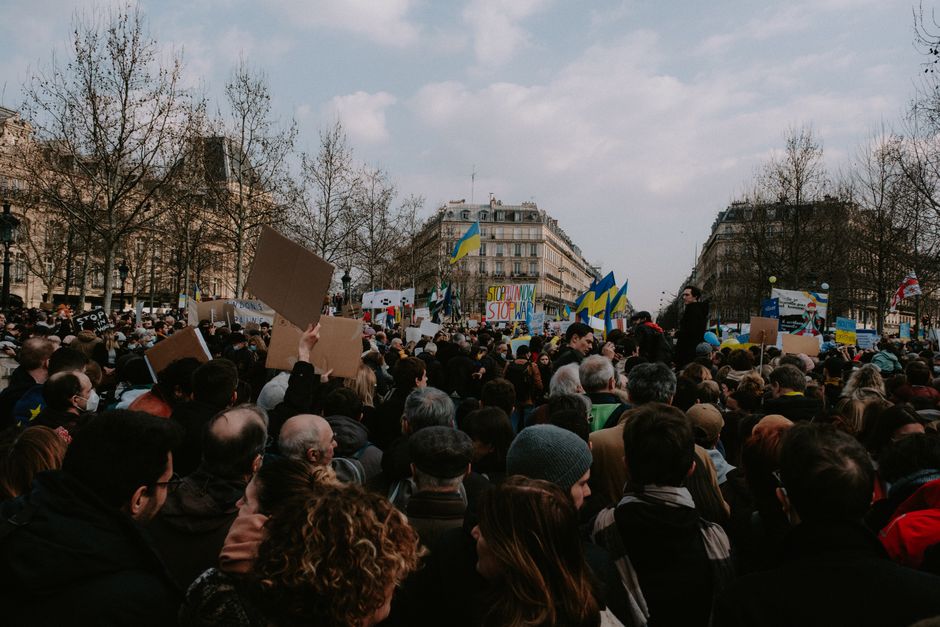
French Student Protests Disrupt Paris
The protests are not isolated incidents but part of a larger trend of student activism in France. This wave of protests reflects a growing discontent…
Read More →Moreover, the decision may inspire students involved in ethnic studies programs to advocate for a curriculum that reflects diverse perspectives and challenges traditional narratives. As universities navigate these complex issues, student engagement will be crucial in shaping the future of memorialization on campus. The University of Arizona has also taken similar steps, removing Chavez’s name from a building, which underscores the urgency of these discussions across academic institutions.
In light of these changes, student organizations may also push for new initiatives that highlight the contributions of marginalized groups. This could include the installation of new memorials or educational programs that focus on underrepresented voices in history, thereby enriching the campus culture. The ongoing dialogue about representation will likely empower students to advocate for more inclusive practices in how history is taught and memorialized.
Shifts in Ethnic Studies Curriculum
The removal of the Chavez statue raises important questions about how ethnic studies programs will evolve in response to these developments. Historically, Chavez has been a significant figure in these programs, symbolizing the fight for labor rights and social justice. However, with the recent allegations, educators may need to reconsider how they teach his legacy.
Career Ahead research indicates that universities may start to incorporate more comprehensive frameworks that critically assess the actions of historical figures, rather than solely celebrating their achievements. This shift could lead to a more nuanced understanding of the complexities surrounding figures like Chavez, allowing students to engage with both the positive and negative aspects of their legacies. As noted by KVOA, this reevaluation is not limited to Texas, as other institutions are also grappling with similar challenges regarding their memorials and the figures they honor.
Furthermore, this reevaluation could prompt a broader discussion within ethnic studies about the importance of integrity and ethical behavior among leaders. As educators strive to provide students with a well-rounded perspective, they may introduce more diverse voices and narratives that challenge traditional views. Incorporating these changes into the curriculum could also enhance students’ critical thinking skills, preparing them to navigate complex social issues in their future careers. As future leaders, students equipped with this knowledge will be better prepared to address the ethical dilemmas they may encounter in their professional lives.
The implications of these changes could be far-reaching, impacting not only how universities honor historical figures but also how they engage with their communities. As universities navigate these complex issues, the conversation about representation and ethics will likely continue to evolve. The removal of the Chavez statue at the University of Texas marks a pivotal moment in the ongoing dialogue about memorialization in higher education. As institutions confront the legacies of controversial figures, the future of how they honor history remains uncertain. Will more universities follow suit, and how will this reshape the landscape of campus culture and education?
You may also like
 Education & University Insights
Campus Safety Demands Spark Vandalism and Protests
Cornell University students are protesting the administration's handling of sexual assault allegations, leading to vandalism and a call for policy reform. This reflects a growing…
Read More →Incorporating these changes into the curriculum could also enhance students’ critical thinking skills, preparing them to navigate complex social issues in their future careers.
Frequently Asked Questions
What does the removal of the Chavez statue mean for students?
The removal of the Chavez statue may encourage students to engage in discussions about ethics and representation on campus. It opens the door for a more critical examination of historical figures and their legacies.
How will this affect ethnic studies programs?
Ethnic studies programs may evolve to include more diverse perspectives and critical assessments of historical figures like Chavez. This could lead to a richer curriculum that reflects the complexities of social justice movements.
What should universities consider when evaluating public memorials?
Universities should consider the alignment of a figure’s actions with their institutional values. Engaging the campus community in these discussions can help ensure that memorials represent diverse perspectives.