No products in the cart.

University Partnerships with Tech Giants Expand AI Research and Education in 2026
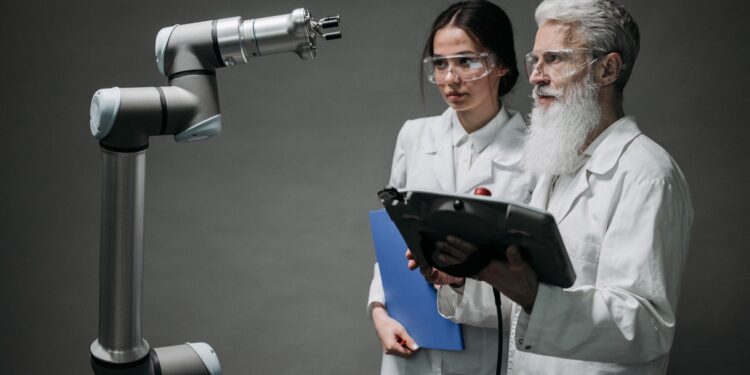
U.S. research universities, including Grandspire University, signed multi-year AI research and education partnerships with global technology firms in April 2026, securing funding, hardware, and joint faculty appointments.

U.S. research universities, including Grandspire University, signed multi-year AI research and education partnerships with global tech giants in April 2026. The collaborations provide dedicated AI research labs, curriculum development funds, and joint faculty appointments aimed at accelerating artificial-intelligence innovation and workforce training.
The agreements were announced in April 2026 and involve a series of contracts between U.S. research universities and leading technology companies. The partnerships are part of a broader trend in which tech giants are allocating billions of dollars to next-generation computing infrastructure to support AI workloads. The combined effort is intended to strengthen university-based AI research, expand graduate-level training, and create pathways for industry-ready talent.
Scope and Structure of the Partnerships
Grandspire University disclosed that it will receive $120 million over five years to establish an on-campus AI research center, co-located with cloud-computing resources supplied by two unnamed global tech firms. The agreement includes joint appointments for three faculty members, who will hold concurrent positions at the university and the corporate partners, enabling shared supervision of doctoral candidates.
Similar arrangements have been reported at other U.S. research universities, where technology companies are providing access to proprietary datasets, high-performance computing clusters, and mentorship programs for PhD students. The contracts typically stipulate that university researchers will contribute to the development of AI models that address industry challenges, while the companies commit to funding scholarships and curriculum updates in machine-learning ethics, safety, and deployment.
The collaborations were negotiated through university technology-transfer offices and corporate research liaison teams. Formal memoranda of understanding (MOUs) outline intellectual-property sharing, joint publication rights, and the establishment of advisory boards composed of senior engineers from the tech firms and senior academics from the universities. The process reflects a strategic alignment where private sector resources are matched with academic expertise to accelerate AI breakthroughs.
research universities, where technology companies are providing access to proprietary datasets, high-performance computing clusters, and mentorship programs for PhD students.
Funding and Infrastructure Commitments

Tech giants are investing in next-generation infrastructure to meet the computational demands of large-scale AI models. Industry analysts reported a $15 billion increase in spending on AI-optimized data centers in 2026, with a significant portion earmarked for university collaborations. The funding supports the deployment of specialized AI accelerators, high-speed networking, and energy-efficient cooling systems within campus labs.
Grandspire’s AI center will be equipped with a cluster of tensor processing units (TPUs) provided by one of the partner firms, enabling researchers to train models that were previously limited to corporate supercomputing environments. Additional capital will be allocated to develop a modular curriculum that integrates hands-on lab work with theoretical coursework, targeting undergraduate and graduate students in computer science, electrical engineering, and data science programs.
The financial terms of the agreements vary by institution but commonly include annual research grants ranging from $30 million to $200 million, contingent on measurable milestones such as peer-reviewed publications, patent filings, and the placement of graduates in AI-focused roles. Universities retain the right to commercialize inventions arising from the joint work, with revenue-sharing models defined in the MOUs.
Impact on Students, Educators, and Institutions
Students at partner universities will gain direct access to cutting-edge AI hardware and real-world data sets, expanding opportunities for hands-on experimentation and industry-relevant project work. The programs also introduce new scholarship streams that cover tuition and living expenses for doctoral candidates focused on AI safety, bias mitigation, and responsible deployment.
Educators receive support to redesign courses, incorporate lab components aligned with corporate standards, and co-author research proposals with industry partners. Faculty members involved in joint appointments benefit from access to corporate research pipelines, enhancing their publication output and citation impact.
Institutions report that the partnerships improve their research rankings, attract higher-quality graduate applicants, and increase external funding streams. The collaborations also position universities as key contributors to national AI strategy objectives, including workforce development and the mitigation of societal risks associated with advanced AI systems.
The collaborations also position universities as key contributors to national AI strategy objectives, including workforce development and the mitigation of societal risks associated with advanced AI systems.
Broader Implications for the AI Ecosystem
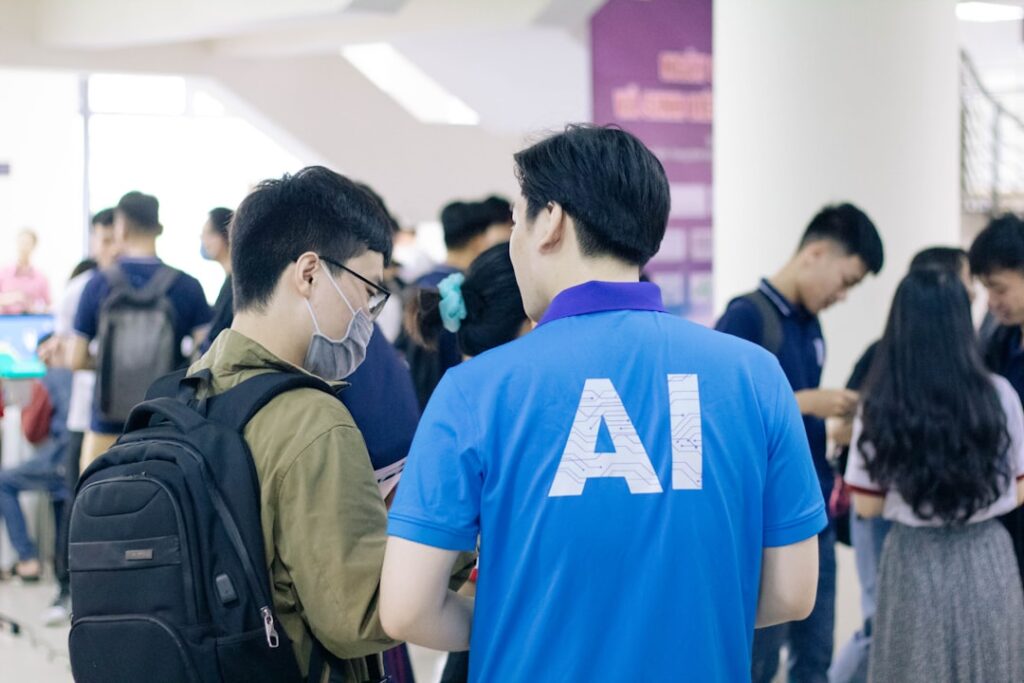
The coordinated effort between academia and technology firms reflects a shift toward shared responsibility for AI advancement. By integrating university research capabilities with corporate infrastructure, the partnerships aim to accelerate the translation of theoretical breakthroughs into deployable solutions across sectors such as healthcare, climate modeling, and autonomous systems. The joint focus on ethical AI curricula addresses growing regulatory scrutiny and public concern over algorithmic bias and transparency.
The influx of private capital into university AI programs is expected to influence the distribution of research talent, with more PhD graduates entering industry roles directly linked to their collaborative projects. This alignment may reduce the lag between academic discovery and commercial application, potentially shortening development cycles for emerging AI technologies.
Key Facts
What: U.S. research universities, including Grandspire University, signed multi-year AI research and education partnerships with global tech giants.
When: Announced in April 2026, with funding and infrastructure commitments extending through 2031.
Impact: Students gain access to advanced AI labs and scholarships; educators receive resources for curriculum development; institutions benefit from increased research funding and industry relevance.
Impact: Students gain access to advanced AI labs and scholarships; educators receive resources for curriculum development; institutions benefit from increased research funding and industry relevance.
Sources
- How Universities Can Lead AI Research in 2026 | BCG
- Tech Giants Next-Gen Infrastructure Race 2026 | AcademicJobs
- Grandspire University Partners with Global Tech Giants for AI Research | College Templateselar
- U.S. Universities Partner With Tech Giants to Expand AI Research Programs | SIIT
Related Articles
- Australia Launches Nationwide Vaccination Program for Vulnerable Native Birds Against H5N1 Avian Influenza
Written by Career Ahead AI. AI can make mistakes, so verify key facts. Report errors to support@careeraheadonline.com.