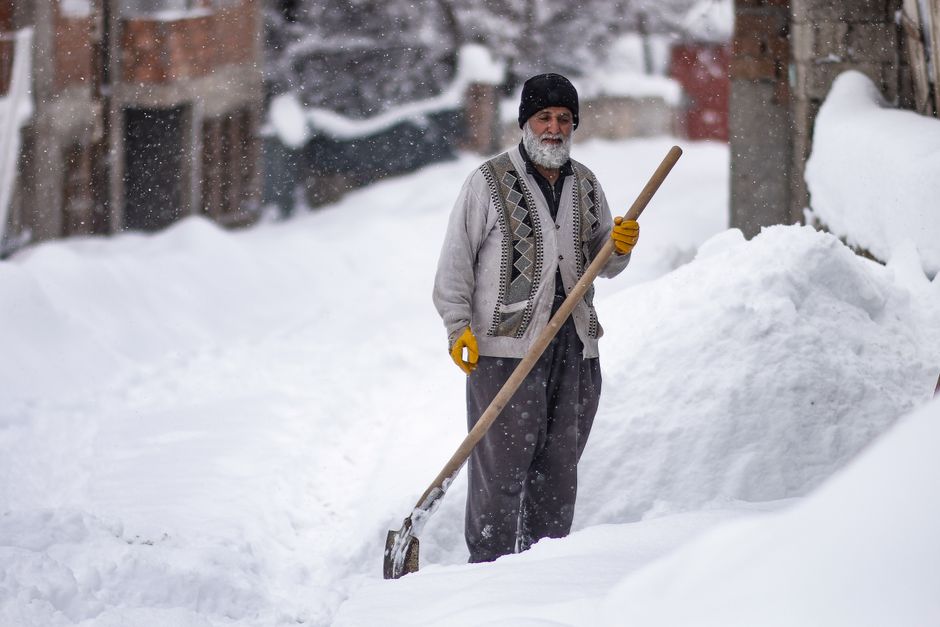
The budget pairs winter relief with plans to reshape energy markets, end rough sleeping and devolve tax and spending decisions.
The budget extends beyond winter relief
Supporters saw dozens of measures offering breathing space to a public worn down by rising prices. The budget’s plans to shape energy markets, end rough sleeping and devolve tax and spending decisions go beyond that winter relief package. Together, those proposals reach into how the state protects people and makes decisions, while the relief measures answer immediate pressure. The two strands give the budget both near-term support and a broader set of ambitions.¹
The budget is more ambitious about how the state can protect the public than about how much it spends. The Office for Budget Responsibility described a pretty grim picture of living standards, while expecting growth to recover from 1% in 2027 to 1.8% in 2029. That forecast points to a recovery in growth, but the assessment of living standards remains stark. The gap between the protection agenda and spending ambition is central to the budget’s approach.¹
Forecasts put household pressure in figures
Households are expected to move from saving roughly £50bn in 2026 to borrowing roughly the same amount in 2031. The forecast describes a reversal: household saving gives way to borrowing over the period. Mortgage repayments are also expected to reach 4.25% of household disposable income by 2031, their highest level since 2009. Together, the projections point to less room in household finances as borrowing rises and mortgage costs take a larger share of disposable income.¹
The Office for Budget Responsibility described a pretty grim picture of living standards, while expecting growth to recover from 1% in 2027 to 1.8% in 2029.
 News
Budget Changes Energy Bills, Fuel Costs and Pay
The fuel-duty cut runs through the same month as the electricity VAT extension, while minimum wages and state pensions rise.
Read More →The energy payment does not reach every household in need. The Resolution Foundation says 80% of homes receive a £100 energy payment, while 1.4 million poor families miss out. That split puts the reach of the payment under scrutiny: a large share of homes receives support, but a substantial number of poor families do not. The figures leave a clear question about how widely relief is directed among households facing financial pressure.¹

Tax and energy choices leave competing claims
The case for asking banks, gambling companies and landlords to contribute more comes with a question about the scale of the revenue raised. The bank tax raises £1.5bn over 15 months, compared with the £11bn that a Thatcher-style levy on interest-free deposits could have yielded. Those figures describe different tax approaches, but they show why the choice of tax matters to the sums available. The budget’s revenue measures face scrutiny over both who pays and how much they bring in.¹
Relying on revenue from the Rosebank oilfield before its approval is settled would be reckless. A prolonged disruption in the Strait of Hormuz would further squeeze real incomes. Together, the two risks expose the uncertainty around relying on oil-related assumptions while households already face pressure on their finances. The warning about Rosebank turns on approval remaining unsettled; the warning about Hormuz turns on disruption lasting long enough to affect real incomes.¹
Spending and devolution hinge on distribution
Experts have questioned the claim that unprotected budgets face £11bn of cuts in 2031-32. Those budgets exclude defence, the NHS, schools and international aid. One proposed way to fund defence is to reprioritise other departments’ capital spending. That approach shifts the question to which investment plans lose priority. The budget’s spending choices therefore involve both the forecast cuts to unprotected areas and the proposal to redirect capital spending from other departments.¹
The prime minister called the 2009 Marmot review his bible on reducing inequalities. The review advocates widescale economic rebalancing, placing the question of inequality alongside the budget’s plans for devolution. Rebalancing is a broader aim than handing tax and spending decisions to local areas: it concerns how economic resources are distributed. The review’s stated approach gives a test for judging whether devolved powers also support a more balanced distribution.¹
 News
IndiaAI Fellowship 2026 Opens with Rs 2 Lakh Aid
IndiaAI Fellowship 2026 provides financial aid up to Rs 2 lakh for postgraduate students and Rs 1 lakh for undergraduates. Deadline: November 30, 2026.
Read More →Devolving tax revenues without adequate redistribution risks leaving the wealthiest places with the most to spend. That warning bears directly on the budget’s devolution ambition: shifting decisions locally does not by itself ensure that areas have comparable resources. The distribution of revenue matters alongside the transfer of authority. Without adequate redistribution, places starting with greater wealth could retain the greatest spending power, widening the gap between the purpose of devolution and the resources available to different areas.¹
Relying on revenue from the Rosebank oilfield before its approval is settled would be reckless.
Plan Around Household Borrowing and Energy Gaps
If you are weighing a home purchase or a mortgage, the ledger points to a tighter squeeze ahead. Mortgage repayments are set to take 4.25% of disposable income by 2031, the highest since 2009, while households shift from saving £50bn to borrowing the same amount. That means locking in a fixed-rate mortgage now or budgeting for higher monthly costs matters more than chasing a larger loan. Also, if you are in a low-income household, check whether you qualify for the £100 energy payment, since 1.4 million poor families miss out despite 80% of homes receiving it.¹
For your career choices, the budget signals where public money and policy attention are heading. The state is more ambitious about protecting people than about total spending, so roles in energy market shaping, rough sleeping reduction, and devolved tax and spend decisions may see more demand. If you work in banking or property, expect pressure for higher contributions, as the bank tax raises only £1.5bn versus a potential £11bn from a steeper levy. Also, if your employer relies on oil revenue assumptions, plan for risk from unsettled approvals like Rosebank or Hormuz disruption.¹
Sources
Written by Career Ahead AI. AI can make mistakes, so verify key facts. Report errors to support@careeraheadonline.com