No products in the cart.

Unlocking Profit: The Power of Retro-Innovation

Discover how companies profit from nostalgia through retro-innovation, tapping into consumer demand for simplicity and authenticity.

Retro-innovation: A New Way to Profit
Vinyl records, black-and-white film, and flip-style phones are back in style. They’re no longer just nostalgic relics but a way for companies to make money. Board-game cafés and 1990s-style video-game consoles are popular, and Generation Z is looking for experiences that are different from the usual digital ones.
MIT Sloan’s research on “retro-innovation” shows that this trend is not just a fad. It’s a smart business move that taps into what consumers really want: simplicity, durability, and authenticity.
Why Retro-innovation Matters
Consumers are getting tired of their smartphones. They’re complaining about “screen fatigue” and “privacy anxiety.” Retro-innovators are responding by creating products that are simpler and more authentic.
There are three reasons why this approach is profitable:
- Simplicity is a premium. Products that do less can do it better. A phone without a camera or social media suite can have longer battery life and a clearer focus.
- Extended product life cycles. Older technologies already have established supply chains and manufacturing processes. Reviving them can be cheaper and faster.
- New markets from old niches. What was once a niche product can become mainstream when positioned for a different demographic.
These levers answer the three strategic questions that product leaders ask:
Case Studies: Companies That Are Succeeding Nokia’s Flip Revival HMD Global relaunched the Nokia 2720 Flip, a 4G phone with a physical keypad and no app store.
- What problem does the retro form solve today?
- Which legacy assets can be repurposed profitably?
- How can the offering be modernized without losing its nostalgic appeal?
Case Studies: Companies That Are Succeeding
Nokia’s Flip Revival
HMD Global relaunched the Nokia 2720 Flip, a 4G phone with a physical keypad and no app store. The phone was a hit, and Nokia sold millions of units in its first year.
Kodak Alaris and Ektachrome
Kodak Alaris re-introduced Ektachrome 35mm film, and the first three production runs sold out instantly. The company reopened a coating line that had been dormant for years.
Light Phone’s Minimalist Mobile
Light Phone launched a device that only handles calls, texts, and a few essential tools. The phone was priced as a premium accessory and commanded high margins.
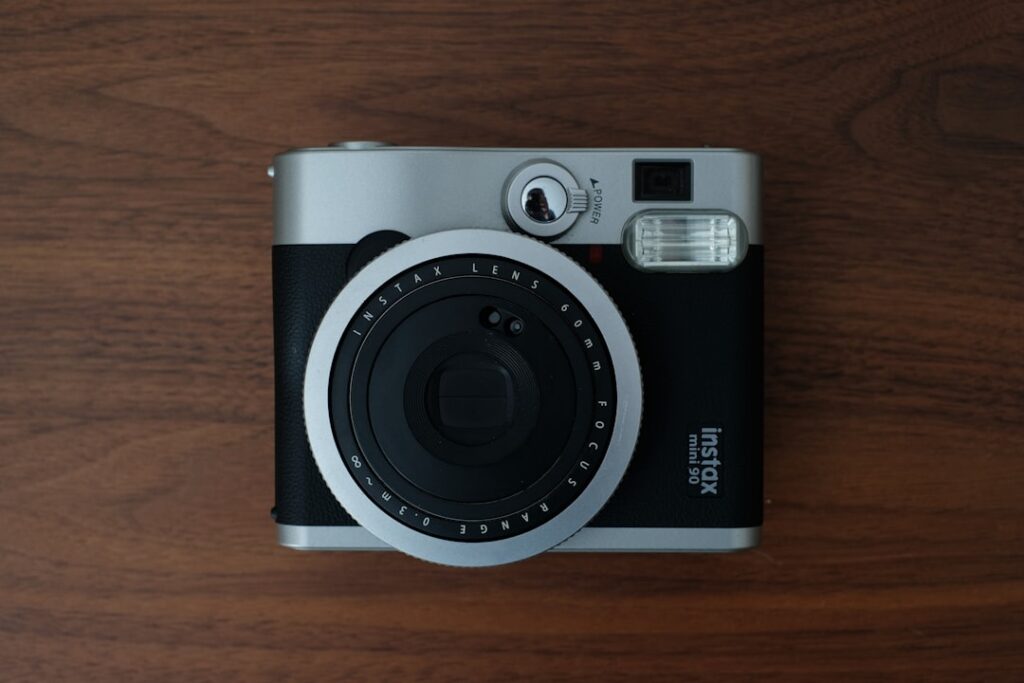
Fujifilm Instax and the Instant-Photo Boom
Instax, originally a niche instant-camera line, now accounts for a significant share of Fujifilm’s profit. The product is regularly refreshed with new colors, collaborations, and limited editions.
LEGO Ideas’ Nostalgic Sets
LEGO’s “Ideas” platform lets fans submit concepts that the company can turn into official sets. Retro-themed kits, such as a re-imagined 1990s gaming console, sell out quickly and command high prices.
Critical Insights: How to Apply Retro-Innovation
Product leaders can replicate these wins by following a disciplined playbook:
- Audit your archive. Identify discontinued SKUs that are 7-15 years old.
- Strip to the core. Remove non-essential features that complicate the user experience.
- Price for premium simplicity. Set the selling price at roughly two to two-and-a-half times the inflation-adjusted original MSRP.
- Leverage scarcity. Launch limited first runs to generate earned media and social buzz.
- Measure against three retro levers. Ask whether the product delivers simplicity, extends an existing lifecycle, or opens a niche to a broader audience.
Strategic Perspective: The Future of Retro-Innovation
You may also like
 Innovation
LuxWall’s High Tech Windows: Revolutionizing Building Insulation
LuxWall introduces high tech windows that improve insulation and energy efficiency, taking cues from Yeti's approach to thermal management. Learn how this innovation could reshape…
Read More →Digital overload is set to intensify, and the “feature-phone” segment is showing modest growth. Regulatory trends favor modular, battery-swappable designs, which many classic form factors already possess.
Venture capital is responding, with funding for “offline-first” hardware startups more than doubling between 2020 and 2023. This indicates investor confidence that retro-centric business models can scale.
Light Phone’s Minimalist Mobile Light Phone launched a device that only handles calls, texts, and a few essential tools.
As the market continues to fragment, the ability to repurpose legacy assets will become a competitive moat. Product leaders should look backward to move forward and find the next cash cow in a dusty warehouse.