No products in the cart.

US and Japan Launch $36 Billion Energy Projects to Counter China
The recent $36 billion energy project by the US and Japan marks a significant shift in global energy dynamics, challenging China's dominance in critical minerals.

The global energy landscape is witnessing a pivotal shift as the United States and Japan unveil a massive $36 billion investment in oil, gas, and critical minerals. This initiative, announced by US President Donald Trump and Japan’s Prime Minister Sanae Takaichi, is designed not only to bolster bilateral ties but also to counter China’s growing dominance in these essential sectors. As the geopolitical stakes rise, this partnership could reshape how countries approach energy security and international trade.
Why does this matter now? With increasing tensions in the Asia-Pacific region, particularly concerning Taiwan, the need for energy independence has never been more urgent. Both the US and Japan are looking to reduce their reliance on Chinese imports, especially in critical minerals necessary for modern technologies. This deal is not just about energy; it’s about establishing a strategic foothold in a highly competitive global market.
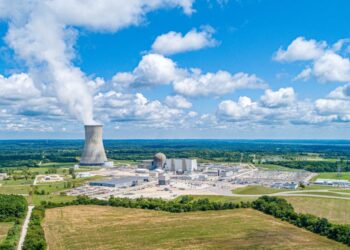
The trio of projects includes a natural gas power plant in Portsmouth, Ohio, touted as the largest of its kind in US history, and a synthetic diamond manufacturing facility in Georgia. These investments are part of a broader strategy to enhance energy security and economic stability in the face of potential disruptions from China. The stakes are high, and the implications for the job market and energy sectors are profound.
Why Japan’s Investment is a Game Changer
Japan’s commitment to invest $36 billion in US energy projects marks a significant turning point in international trade dynamics. This investment is part of a larger $550 billion trade agreement aimed at strengthening economic ties between the two nations. The projects will not only create thousands of jobs in the US but also help Japan secure a stable supply of critical minerals and energy resources.
 Mental Health
The Global Mental Health Crisis Among Young Professionals
The mental health crisis among young professionals is escalating. This analysis delves into the statistics, causes, and potential employer responses.
Read More →The projects will not only create thousands of jobs in the US but also help Japan secure a stable supply of critical minerals and energy resources.
As Japan faces increasing pressure from China, particularly regarding Taiwan, this move can be seen as a strategic pivot. The investments are designed to ensure that Japan can produce essential materials domestically, reducing its vulnerability to external pressures. According to Howard Lutnick, Trump’s commerce secretary, this partnership is pivotal for both nations, enabling them to gain strategic assets and expand their industrial capacities.
The Portsmouth power plant, for instance, is expected to generate 9.2 gigawatts of electricity annually. This facility will not only support local economies but also provide a reliable energy source that can help mitigate the impacts of potential supply chain disruptions. The synthetic diamond plant, valued at $600 million, aims to produce materials crucial for advanced manufacturing and semiconductors, further enhancing the US’s technological capabilities.
[[INLINE_IMAGE]]
Implications for Workers and Industries in the US
The announcement of these projects carries significant implications for workers and industries across the United States. The energy sector is poised to see a surge in job opportunities, particularly in areas related to construction, manufacturing, and technology. For entry-level workers, this could mean more positions available in power generation and infrastructure development.
 Education
Binance Blockchain Yatra 2025: A Step Forward for India’s Web3 Ecosystem
The Mumbai chapter of Binance Blockchain Yatra 2025 marks a pivotal moment in India’s Web3 development, showcasing innovation and collaboration.
Read More →Mid-career professionals may find new opportunities in project management and engineering roles as these large-scale projects come to fruition. Those looking to pivot into the energy sector can benefit from the increased demand for skilled labor, particularly in renewable energy technologies and critical minerals processing.
Moreover, the focus on critical minerals could lead to a resurgence of interest in mining and materials science careers. As the US seeks to bolster its domestic production capabilities, educational institutions may respond by offering targeted programs to equip the workforce with the necessary skills to thrive in these emerging fields.
Mid-career professionals may find new opportunities in project management and engineering roles as these large-scale projects come to fruition.
- Upskill in Critical Minerals: Consider enrolling in courses related to materials science or mining engineering to prepare for the growing demand in this sector.
- Explore Renewable Energy Opportunities: Look for certifications in renewable energy technologies, which are expected to grow alongside these new investments.
- Network with Industry Professionals: Join industry associations or attend conferences to connect with leaders in the energy and minerals sectors.
However, experts warn that while these investments are significant, they may not be a panacea for the challenges facing the US and Japan. According to a report by ECOticias, the reliance on foreign investments and the complexities of international trade may pose risks to the sustainability of these projects. The geopolitical landscape remains volatile, and the long-term success of these initiatives will depend on navigating these challenges effectively.
The Future of Energy Independence in the US and Japan
The collaboration between the US and Japan signifies a shift towards greater energy independence in the face of global challenges. As both nations work to reduce their reliance on China, the implications for international trade and energy security will be profound. This partnership may set a precedent for future collaborations among nations seeking to secure their energy needs.
 Education
Which Countries Offer Free or Affordable Higher Education in 2025?
Germany, Norway, France, and India remain top destinations for free or affordable university education in 2025. This report breaks down…
Read More →Looking ahead, how will this investment influence global energy markets and international relations? As the US and Japan strengthen their ties, will other countries follow suit in seeking similar partnerships to enhance their energy security? The answers to these questions will shape the future landscape of global energy and trade.