No products in the cart.

US Firms Reinvest Trump Tariff Refunds into Innovation and Workforce

US manufacturing firms are strategically reinvesting their Trump tariff refunds into automation and workforce development, revealing significant trends in the industry.

US firms are reallocating their Trump tariff refunds. Many are choosing to invest in research and development (R&D), automation technologies, and workforce incentives. The Federal Reserve Bank of Atlanta’s recent survey shows that businesses are using these refunds, totaling nearly $170 billion, to improve their operations and financial health.
This shift follows the US Supreme Court’s ruling that deemed Trump’s tariffs unlawful. This ruling led to a wave of refunds starting in May 2026. As firms navigate these funds, the effects on the manufacturing sector and the broader economy are becoming clear.
Investment in Automation Technologies
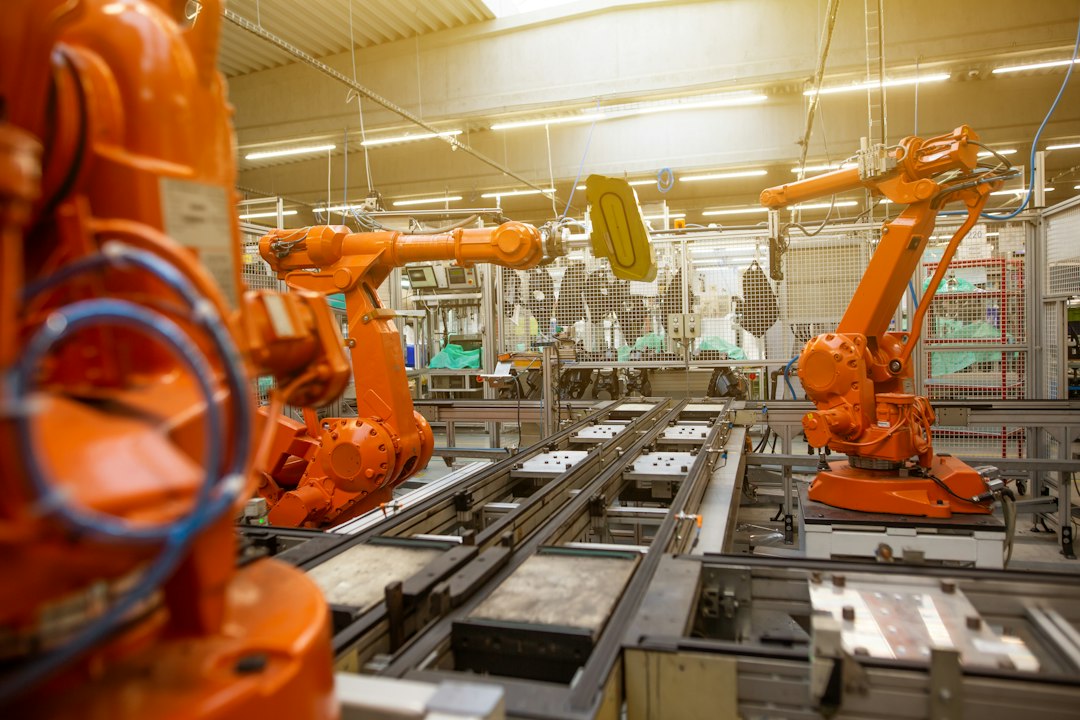
Many manufacturing firms are directing their tariff refunds toward automation technologies. Career Ahead’s analysis finds that over 50% of firms plan to use part of their refunds for capital investment projects. This trend shows a significant shift in operational strategies, as companies aim to enhance efficiency and lower long-term labor costs.
For example, firms are investing in robotics and AI-driven systems to streamline production. This helps maintain competitiveness and addresses labor shortages worsened by the pandemic. As businesses automate, they may reduce manual labor roles but create demand for skilled workers who can manage these advanced systems.
The focus on automation is also expected to change hiring trends. Companies may prioritize candidates with technical skills in robotics and AI. This shift could create a skills gap, where traditional manufacturing roles decline, but opportunities for tech-savvy workers grow.
The impact of this investment in automation goes beyond individual firms. As more companies adopt these technologies, the economy may see increased productivity and growth. However, this transition raises concerns about job displacement and the need for retraining programs for affected workers.
As firms embrace automation, financial analysts must track how these changes affect labor markets and economic indicators. Understanding these trends will be crucial for predicting future employment patterns and economic stability.
However, this transition raises concerns about job displacement and the need for retraining programs for affected workers.
Changes in Pricing Strategies for Consumers
Along with technology investments, firms are adjusting their pricing strategies due to tariff refunds. The Federal Reserve survey shows that about 14.8% of firms plan to use their refunds to temporarily lower prices. This strategy aims to pass some benefits to consumers, potentially increasing sales volume and market share.
By lowering prices, firms may attract price-sensitive customers affected by inflation. This approach can be effective in a competitive market where consumers have many options. However, the long-term sustainability of price reductions is uncertain, especially as firms balance profitability with competitive pricing.
Moreover, the decision to lower prices can impact the overall economy. If many firms adopt this strategy, it could decrease inflation rates. However, it may also compress profit margins, leading to potential cutbacks in investment and hiring if firms struggle to maintain financial health.
Financial analysts need to assess how these pricing strategies affect consumer behavior and overall demand in manufacturing. Understanding the balance between price reductions and profitability will be crucial for predicting future market dynamics.
Additionally, using tariff refunds for consumer rebates shows a shift toward customer-centric strategies. Firms are recognizing the importance of customer loyalty and satisfaction, which could change how they engage with consumers in the future.
Workforce Development and Employee Incentives
Another key finding from the Fed survey is that many firms plan to use their tariff refunds for employee bonuses and workforce development. About 12.7% of firms intend to allocate funds for bonuses, while 10.1% plan to invest in training and development programs.
This focus on workforce development shows that firms recognize the importance of human capital for business success. By investing in employees, firms can enhance skills, improve job satisfaction, and boost productivity. This approach can also help retain top talent in a competitive labor market.
As firms invest in training programs, they may be better equipped to adapt to changing technologies. Employees with new skills will be more capable of managing advanced technologies, ensuring firms can fully leverage their automation investments.

This focus on workforce development shows that firms recognize the importance of human capital for business success.
However, the challenge is to make these training programs accessible and effective. Firms must consider the diverse needs of their workforce and tailor programs accordingly. This may involve partnerships with educational institutions to create relevant learning opportunities.
As firms prioritize workforce development, analysts should monitor how these investments translate into improved performance metrics and employee retention. Understanding the return on investment in workforce initiatives will be essential for evaluating their long-term effectiveness.
The strategic use of tariff refunds by US manufacturing firms reflects a broader trend of adapting to market conditions and enhancing operational efficiencies. As these companies navigate the complexities of the post-tariff landscape, the implications for the workforce, pricing strategies, and overall economic health will continue to unfold.
Looking ahead, it will be crucial to observe how these trends evolve and what new challenges and opportunities arise in manufacturing. Will firms continue to prioritize automation, or will they shift focus back to human capital as market conditions change?
Frequently Asked Questions
How can manufacturing firms leverage tariff refunds for growth?
Manufacturing firms can leverage tariff refunds by investing in automation technologies and workforce development. This strategic allocation can enhance efficiency and address labor shortages, driving growth.
What financial implications do tariff refunds have for analysts?
Tariff refunds can significantly impact financial analyses, especially regarding pricing strategies and workforce investments. Analysts must consider how these changes affect profitability and market dynamics.

What should manufacturing firms consider when reallocating tariff refunds?
Firms should balance investing in automation and workforce development. Understanding the potential impact on pricing strategies and employee retention is crucial for long-term success.
Sources: En, Census, Brookings.
Written by Career Ahead AI. AI can make mistakes, so verify key facts. Report errors to support@careeraheadonline.com.