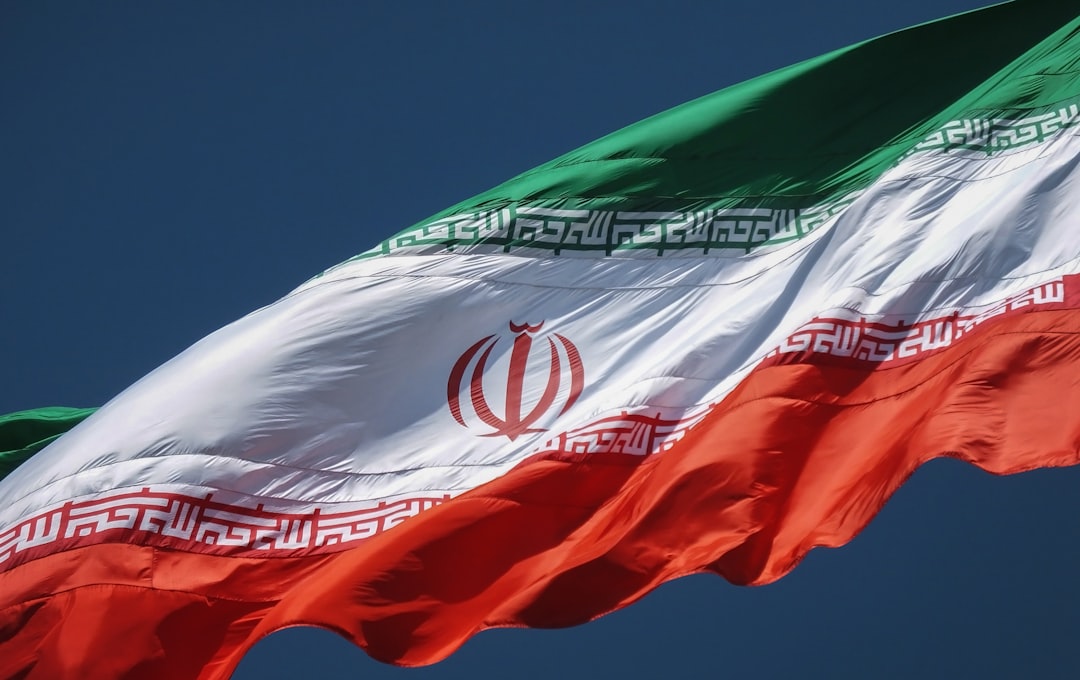
The Nifty 50 stock benchmark fell 2.1% on Wednesday, highlighting the market's reaction to these developments. The ongoing conflict has led India to consider engaging with Iran to ensure the safe passage of oil tankers in the Persian Gulf. This situation underscores the interconnectedness of geopolitical events and…
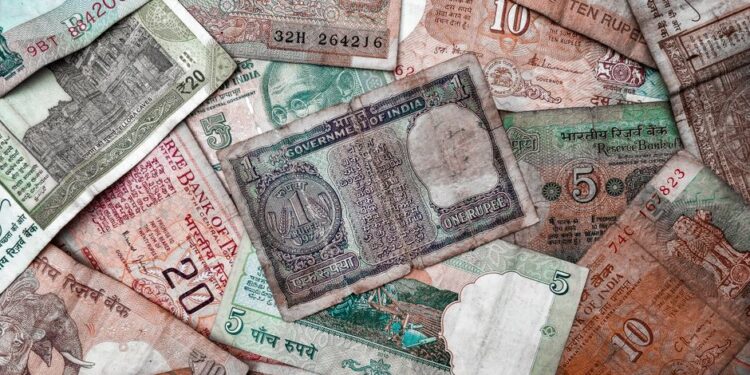
India’s rupee is under pressure as tensions rise between the US and Iran. This situation is affecting oil prices and the economy. Recent military actions have caused oil prices to spike, impacting India’s energy imports and currency stability. The rupee ended at its lowest since June 11, reflecting investor worries about rising energy costs and geopolitical instability.
The Nifty 50 stock benchmark fell by 2.1% on Wednesday, showing the market’s response to these events. Due to the ongoing conflict, India is considering talks with Iran to ensure safe oil tanker passage in the Persian Gulf. This highlights how global events can influence local economies. According to Bloomberg, the Indian government is actively seeking dialogue with Iran to reduce risks from oil supply disruptions.
Impact of Geopolitical Tensions on the Indian Rupee
The Indian rupee’s value against the dollar is strongly affected by global events, especially those that impact oil prices. As US-Iran tensions rise, oil prices have surged, raising concerns about inflation and import costs. Experts predict that ongoing instability could push India’s crude basket above $75 per barrel. This would strain the rupee and increase inflation risks. The Economic Times warns that this scenario could create significant inflationary pressures, challenging the Reserve Bank of India (RBI) in its monetary policy decisions.
Career Ahead’s analysis shows that the RBI’s recent efforts to stabilize the rupee have been less effective than in past crises. For example, during the 2013 taper tantrum, the RBI took strong measures that helped the rupee. However, current actions seem inadequate against rising oil prices and geopolitical uncertainties. The RBI’s foreign exchange reserves are being tested as the rupee depreciates. If the currency continues to weaken, the central bank may need to intervene more aggressively in the forex market. This could deplete reserves, which are vital for maintaining currency market stability.
Additionally, the RBI’s recent interventions, like selling dollars to support the rupee, have not produced the desired results, as analysts have noted. Financial analysts must closely monitor these developments. The rupee’s performance is crucial for businesses and investors. A weak rupee raises import costs and affects corporate profitability, especially for companies that rely on imported goods and raw materials. Understanding these dynamics is essential for informed investment decisions. The ongoing geopolitical tensions have created a volatile environment that requires constant reassessment of risks related to currency fluctuations.
As prices climb, energy costs for consumers and businesses also increase, potentially slowing economic growth.
The UAE's potential withdrawal of investments in the UK, following Manchester City's guilty verdict for financial breaches, could significantly impact the sports and real estate…
Fluctuations in Oil Prices and Their Effects on Energy Investments
The rise in oil prices due to US-Iran tensions poses significant challenges for energy market investors. As prices climb, energy costs for consumers and businesses also increase, potentially slowing economic growth. This creates a complex environment for energy investors, who must navigate oil market volatility while considering geopolitical risks. Experts suggest that energy investments in India could face heightened risks if oil prices stay high. The Economic Times reports that prolonged tensions could lead to inflationary pressures, prompting the RBI to adjust monetary policy. Such changes could further impact the rupee and create a cycle of instability that investors should watch closely.
Energy market investors should also be aware of potential price volatility in the oil market. As geopolitical tensions rise, unexpected events can cause rapid price changes, making market predictions difficult. Investors may need to adopt flexible strategies to manage risks from these fluctuations. The Indian government has expressed concerns about oil supply stability, urging both the US and Iran to ensure a steady flow of energy, as reported by Wionews.
India’s reliance on oil imports means that any sustained price increase could have long-term economic implications. This dependence affects energy security and has broader effects on inflation and economic growth. Investors should consider these factors when evaluating their exposure to the energy sector. Understanding the rupee’s historical performance during previous geopolitical crises can provide valuable insights. For example, during the Gulf War, the rupee depreciated significantly, impacting inflation and economic stability. Such historical perspectives can help analysts predict potential outcomes in the current environment.
The ongoing tensions between the US and Iran highlight vulnerabilities in India’s economic landscape. As the rupee weakens and oil prices rise, inflation risks increase. This could lead to tighter monetary policy from the RBI, affecting various sectors of the economy and impacting growth and investment. Career Ahead’s analysis suggests that financial analysts need to adjust their forex strategies in light of these developments. Historical RBI measures during similar crises indicate that current interventions may need to be more robust to prevent further rupee depreciation. Analysts should prepare for potential volatility in currency markets and adjust their forecasts accordingly.
Energy sector investors must also stay alert. Rising oil prices can impact long-term investment strategies and corporate profitability. As companies face higher operational costs, their ability to invest in growth may be compromised. Looking ahead, it is crucial for market participants to monitor geopolitical developments closely. The situation in the Middle East is fluid, and any escalation could disrupt oil supply and cause price volatility. Investors should be ready for various scenarios as they navigate this complex landscape.
BT's decision to pause broadband services for some customers has sparked accusations of bullying, raising concerns about the impact on vulnerable populations during the transition…
Career Ahead’s analysis suggests that financial analysts need to adjust their forex strategies in light of these developments.
The ongoing dynamics between the US and Iran will likely continue to shape India’s economic outlook. With the rupee under pressure and oil prices rising, the intersection of geopolitics and economics will remain a critical area for analysis and investment strategy.
Frequently Asked Questions
How should financial analysts adjust their forex strategies in light of US-Iran tensions?
Career Ahead analysis shows that financial analysts should include geopolitical risk assessments in their forex strategies. Monitoring oil price fluctuations and their impact on the rupee will be vital for informed decisions in the current environment.
What are the implications of rising oil prices for energy market investors?
Rising oil prices can increase operational costs for companies, affecting profitability and investment strategies. Energy market investors should be aware of potential price volatility and adjust their portfolios to manage risks.
What should financial analysts do about the weakening rupee amid geopolitical tensions?
Financial analysts should monitor the RBI’s interventions closely and adjust their forecasts based on the rupee’s performance. Understanding historical currency movements during past crises can provide valuable insights for future predictions.



News

News