
The US job openings eased to 7.36 million in June, down from 7.54 million in May, as reported by the Bureau of Labor Statistics. This decrease comes amidst stable layoffs, suggesting a resilient demand for workers heading into the summer months.
Hiring activity did not mirror this decline, as it picked up slightly. The steady demand indicates that while fewer positions are available, companies are still actively seeking talent. This scenario is critical for HR professionals and hiring managers in tech, who must navigate these shifting dynamics.
Understanding the Shift in Job Openings
Career Ahead’s analysis finds that the reduction in job openings reflects a broader trend of companies reassessing their hiring strategies. With the current economic climate, organizations are becoming more selective in their hiring processes. This selectivity is evident in the tech sector, where companies are prioritizing candidates with specific skills that align with their immediate needs.
According to data from InterviewPal, the tech industry has seen a significant number of layoffs this year, but the overall impact on job openings has been moderated. The Layoffs Tracker indicates that while total layoffs have reached approximately 151,800 across various sectors, the tech industry remains relatively stable in terms of available positions, particularly for roles that require advanced technical skills.
This reflects a nuanced labor market where the demand for skilled workers persists despite a decrease in overall job openings. Companies are increasingly focusing on filling critical roles rather than expanding their workforce indiscriminately. This trend is particularly important for HR professionals, who must refine their recruitment strategies to attract top talent in a competitive environment.
This trend is particularly important for HR professionals, who must refine their recruitment strategies to attract top talent in a competitive environment.
Moreover, the data from LayoffAlert.org reveals that mass layoffs have not significantly impacted the overall employment landscape. With 43,100 WARN Act notices affecting over 6 million employees, the situation illustrates that while layoffs are occurring, they do not necessarily translate into a broader job scarcity. This dynamic creates opportunities for job seekers who possess the right skills and expertise.
 Industry & Global Trends
Agarwal Says India Can Attract Data Centre Investment
Agarwal cites data-centre construction costs around half the US and Europe level, renewable energy, a 1.5 billion population and coastline.
Read More →
Implications for HR Professionals and Hiring Managers
As job openings decline, HR professionals must adapt their recruitment strategies to align with the current market realities. Career Ahead’s research identifies that companies are shifting their focus towards retaining talent and enhancing employee engagement rather than aggressive hiring. This shift requires HR teams to develop strategies that emphasize employee development and retention.
In the tech sector, hiring managers are advised to prioritize candidates with in-demand skills, such as proficiency in AI, machine learning, and cloud computing. The competition for these roles remains fierce, and companies that fail to adapt may struggle to attract the necessary talent. This trend is echoed in the findings from layoffs.fyi, which highlight that tech companies are more likely to retain employees with specialized skills, even amid layoffs.
Furthermore, the stability of layoffs suggests that companies are adopting a more cautious approach to workforce management. Instead of large-scale layoffs, organizations are opting for targeted reductions, which can lead to a more stable work environment. This stability can be leveraged by HR professionals to foster a culture of loyalty and commitment among employees.
This approach is essential in a market where job openings are limited, but the demand for skilled workers remains high.
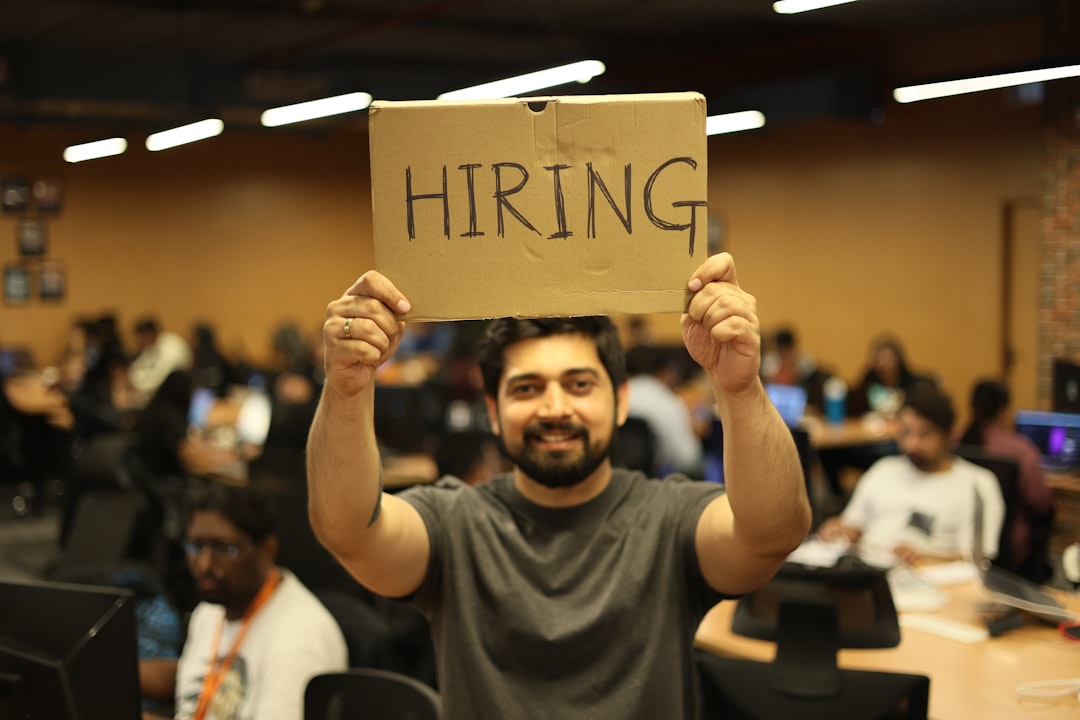
HR teams should also focus on enhancing their employer branding to attract candidates in this competitive market. By showcasing a positive company culture and opportunities for growth, organizations can differentiate themselves from competitors and appeal to top talent. This approach is essential in a market where job openings are limited, but the demand for skilled workers remains high.
 Industry & Global Trends
Tech Layoffs Near 196,000 Globally in 2026
Nearly 196,000 tech professionals were laid off globally by late October 2026. May saw about 29,000 jobs eliminated in a single month.
Read More →Future Outlook for Job Openings and Hiring Trends
The current landscape of job openings and hiring activity raises important questions about the future of the labor market. With the US job openings at a lower level, it will be crucial to monitor how companies adjust their hiring practices in response to economic fluctuations. Career Ahead analysis suggests that the job market may stabilize as companies find their footing amidst changing economic conditions.
As we look ahead, the demand for skilled workers, particularly in the tech sector, is expected to remain strong. Organizations that invest in employee training and development will likely emerge as leaders in attracting and retaining talent. This focus on skill enhancement is critical as the labor market evolves and companies seek to adapt to new technological advancements.
Moreover, the ongoing trend of remote work is likely to influence hiring practices. Companies may continue to seek out talent from a broader geographic area, expanding their candidate pool. This shift could lead to increased competition among job seekers, as more individuals seek remote opportunities in various sectors.

Hiring managers should prioritize candidates with in-demand skills, such as AI and cloud computing, and adopt targeted recruitment strategies to fill critical roles.
In conclusion, the interplay between job openings and hiring activity will shape the future of the job market. As companies navigate these changes, HR professionals and hiring managers must remain agile and responsive to the evolving landscape. The ability to adapt will be key to success in attracting and retaining the right talent in a competitive environment.
Frequently Asked Questions
What strategies can HR professionals use to attract candidates despite fewer job openings?
HR professionals can enhance their employer branding and focus on employee development to attract candidates. Highlighting a positive company culture and opportunities for growth can differentiate organizations in a competitive market.
How can hiring managers in tech adjust their recruitment processes in a changing job market?
Hiring managers should prioritize candidates with in-demand skills, such as AI and cloud computing, and adopt targeted recruitment strategies to fill critical roles. This approach will help them attract the talent necessary for success.
 Industry & Global Trends
GIFT City Funds: Minimums, Tax and Returns Compared
GIFT City funds use a separate regulatory framework and offer investment options with different minimums, tax treatment and performance.
Read More →
What should human resources professionals do about the current trends in job openings and hiring?
HR professionals should refine their recruitment strategies to focus on retention and employee engagement. By investing in employee development and fostering a positive work environment, organizations can enhance their appeal to top talent.
Written by Career Ahead AI. AI can make mistakes, so verify key facts. Report errors to support@careeraheadonline.com.