No products in the cart.

US Military Partners with Tech Giants for AI Integration
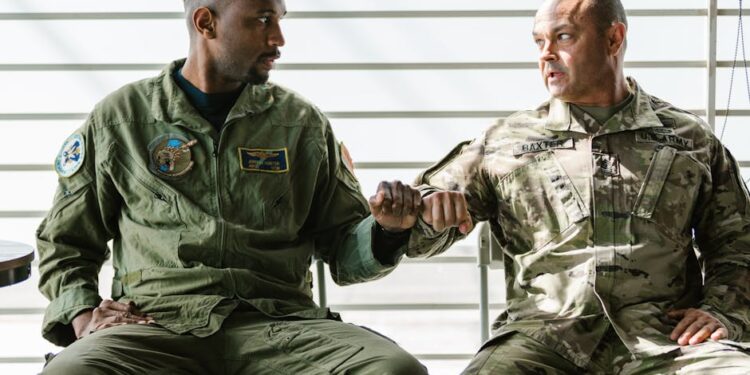
The US military has struck deals with seven major tech firms to enhance AI capabilities in classified systems, potentially reshaping military operations and tech industries.

Strategic Partnerships for AI Advancement
The US military has recently formed partnerships with seven leading tech companies to enhance its artificial intelligence (AI) capabilities in classified systems. This collaboration includes industry giants such as Google, Microsoft, Amazon Web Services, Nvidia, OpenAI, Reflection, and SpaceX. The Pentagon’s announcement underscores a strategic move to leverage cutting-edge AI technology to improve decision-making processes for military personnel in complex operational environments.
According to AP News, the Defense Department is accelerating its AI initiatives to streamline military operations, allowing for faster identification and engagement of targets on the battlefield. This shift could significantly reduce the time required for critical tasks, transforming how military operations are conducted. The integration of AI is expected to aid in logistics, weapon maintenance, and overall mission planning.
The partnerships were officially announced on May 1, 2026, marking a pivotal moment in military-tech collaboration. The Pentagon’s emphasis on AI reflects a broader trend in defense, where technology plays an increasingly vital role in national security.
Transforming Military Operations
The integration of AI into military systems could lead to a transformative change in how operations are planned and executed. AI technologies are designed to process vast amounts of data quickly, providing actionable insights that can enhance strategic decision-making. This capability is particularly crucial in high-stakes environments where timely information can mean the difference between success and failure.
This capability is particularly crucial in high-stakes environments where timely information can mean the difference between success and failure.
As noted by The New York Times, the Pentagon aims to use AI not only for combat scenarios but also for logistical and administrative functions. By automating routine tasks, AI can free up military personnel to focus on more complex challenges, leading to a more agile and responsive military force.
However, the use of AI in military contexts raises important ethical considerations. As AI systems become more autonomous, questions about accountability and decision-making processes come to the forefront. The military’s approach to these challenges will be closely monitored, especially in light of past controversies surrounding autonomous weapons and surveillance technologies.
You may also like
 AI & Technology
This startup is issuing AI-generated acne prescriptions
Nolla Health's AI system analyzes acne severity and autonomously writes prescriptions for treatments. This pilot program costs $4.99 per month and is available to Utah…
Read More →
Industry Reactions and Ethical Concerns
The tech companies involved in these partnerships have expressed enthusiasm about the potential of AI to enhance military capabilities. Executives from these firms believe that their technologies can provide the military with tools that improve operational efficiency and effectiveness. For instance, OpenAI has already been involved in discussions about integrating its AI systems into military applications.
However, not all tech companies support unrestricted military collaborations. Anthropic, another AI company, has publicly raised concerns about the ethical implications of their technology being used for military purposes. The company is currently engaged in legal battles with the Pentagon over the use of its AI systems, advocating for strict guidelines to prevent misuse. This tension highlights the complex relationship between tech companies and military applications of AI.
Ethical Challenges in AI Deployment
The integration of AI into military operations is fraught with ethical challenges. The potential for autonomous weapons systems raises significant concerns about accountability and decision-making. Critics argue that reliance on AI could lead to dehumanization in combat scenarios, where machines make life-and-death decisions without human oversight.
Executives from these firms believe that their technologies can provide the military with tools that improve operational efficiency and effectiveness.
Transparency in AI algorithms and decision-making processes is essential to mitigate risks associated with bias and errors. As the military expands its use of AI, ensuring that these systems operate fairly and accurately will be paramount. The Pentagon has stated its commitment to responsible AI use, but how this commitment translates into practice remains to be seen.

Future Implications for Defense and Technology
The future of AI in defense looks promising but uncertain. As the Pentagon continues to integrate AI technologies, the effectiveness of these systems will be closely watched. The military’s ability to leverage AI for strategic advantage could redefine modern warfare and influence global military dynamics.
You may also like
 AI & Technology
Beam Unveils Affordable AI Model to Disrupt Competitors
Reflection AI's Beam model, launched on October 5, 2026, is set to disrupt the AI market by offering a cost-efficient alternative to leading Chinese models.…
Read More →As AI technologies evolve, the military’s strategies will likely adapt to incorporate emerging capabilities. This adaptability will be crucial in maintaining a competitive edge in an increasingly technological battlefield. Ultimately, the ongoing dialogue between tech companies and the military will shape the future of AI in defense, balancing innovation with ethical considerations.