Changing Dynamics of Electric Vehicle Pricing
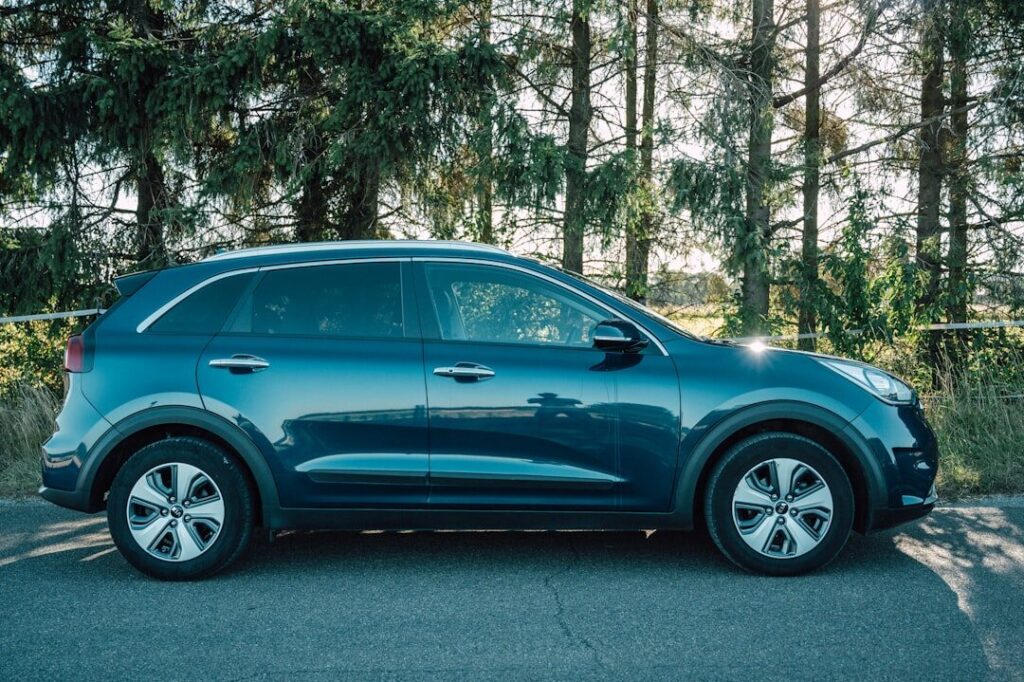
The electric vehicle (EV) market is on the brink of a significant transformation. With the expected influx of used EVs, prices are set to drop sharply over the next few years. This shift is crucial for consumers who have been deterred by the high costs of new electric cars. More than a million used electric cars could enter the market by 2028, a game changer for affordability and accessibility.
Currently, the average price of a new vehicle is around $46,992, according to Consumer Affairs. In contrast, used vehicles average about $27,113. This stark difference highlights the potential impact of an increased supply of used EVs on consumer choices. The reduced prices could attract a broader audience, including those who previously viewed electric vehicles as out of reach.
As the market for used EVs expands, consumers will benefit from a wider selection and lower prices. In 2025, approximately 123,000 leases on EVs expired, but this number is projected to rise significantly. By 2026, that number could double to 300,000, and by 2028, it may reach 660,000. This surge in availability is expected to make used EVs a more viable option for many buyers.
Market Forces Behind the Shift
The automotive landscape is shifting due to various market forces. The increasing availability of used EVs is largely a result of rising lease expirations. As more consumers lease electric vehicles, the end of these leases leads to a significant number of cars entering the used market. According to data from Cox Automotive, this trend will continue, providing a steady stream of used EVs that could reshape pricing dynamics.
Moreover, dealerships are adjusting their strategies to accommodate this influx. For instance, AutoNation, a major dealership chain, is already advertising used EVs at significantly reduced prices. A 2023 Hyundai Ioniq 5, once priced at $58,000, is now available for just $28,000. Such pricing strategies reflect the need for dealerships to move inventory quickly in a changing market.
Such pricing strategies reflect the need for dealerships to move inventory quickly in a changing market.
Additionally, the broader economic context plays a role in this shift. As inflation affects consumer spending, more buyers are likely to seek affordable alternatives. The availability of used EVs at lower prices aligns with consumer demand for budget-friendly options, making this an opportune time for buyers looking to enter the EV market.
Global Trends and Policy Influences
The global push towards electric vehicles is influenced by various policies aimed at reducing carbon emissions. Governments worldwide are promoting EV adoption through incentives and subsidies. However, the high initial costs of new EVs have been a barrier for many consumers. The influx of used EVs presents an opportunity to overcome this barrier while still supporting environmental goals.
In the United States, federal and state incentives for electric vehicles have encouraged leasing over purchasing. This has contributed to the anticipated rise in used EV availability. The expected increase in off-lease electric vehicles will not only lower prices but also stimulate interest in sustainable transportation options.
Furthermore, the global supply chain for EV components is evolving. The availability of critical materials and the shift towards sustainable production methods are essential for maintaining the momentum of the EV market. Policymakers must consider these factors to ensure that the transition to electric vehicles remains stable and sustainable in the long term.
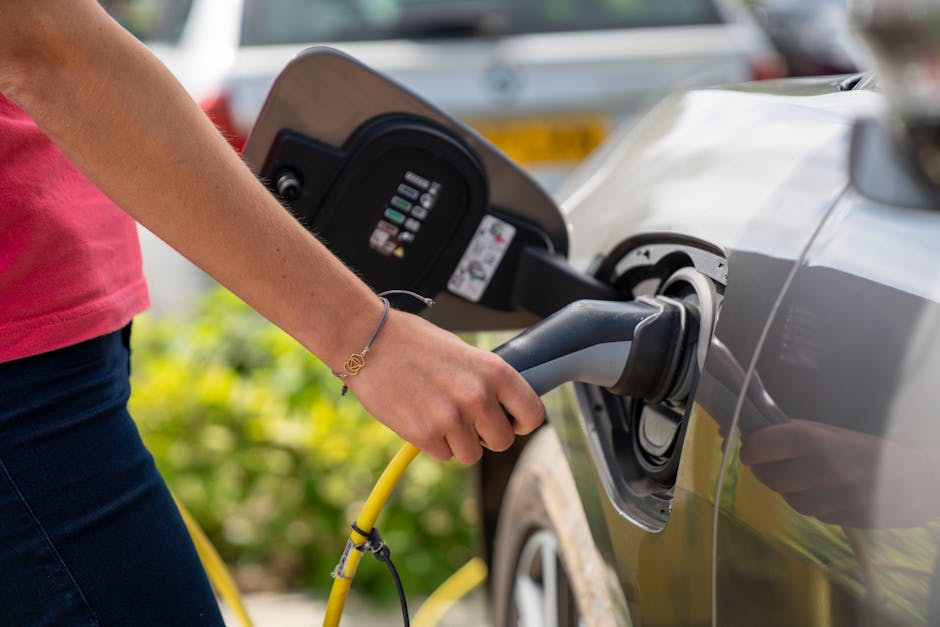
The availability of critical materials and the shift towards sustainable production methods are essential for maintaining the momentum of the EV market.
Challenges and Market Contradictions
Despite the optimistic outlook for used EV pricing, there are contradictions within the market. While the influx of used vehicles is expected to lower prices, some experts caution that this trend may not last. New EV sales and leases fell by 36 percent year-over-year from the end of 2024 to the end of 2025. This decline raises questions about the sustainability of the used EV market in the face of decreasing new vehicle sales.
Moreover, there is debate over the long-term value of used EVs. While they may be more affordable, concerns about battery life and maintenance costs persist. Potential buyers must weigh these factors against the upfront savings. The longevity and reliability of used EVs will play a crucial role in consumer acceptance and market stability.

Additionally, the competitive landscape is changing. Traditional automakers are ramping up their EV production, leading to a broader range of new models. This could create a dilemma for consumers: should they invest in a new model with the latest technology or opt for a used vehicle at a lower price? This debate will influence consumer behavior and market trends in the coming years.
Implications for Consumers and the Automotive Industry
The future of the used EV market looks promising, but it is not without challenges. As more used electric vehicles become available, prices are expected to decline, making them more accessible to a wider audience. This shift could drive increased adoption of electric vehicles, aligning with global sustainability goals.
Furthermore, as the market evolves, consumer education will become increasingly important.
However, the market must navigate several hurdles. The potential for fluctuating demand and concerns over battery technology could impact consumer confidence. Manufacturers will need to address these issues to ensure that the used EV market remains attractive.
Furthermore, as the market evolves, consumer education will become increasingly important. Buyers must understand the differences between new and used EVs, including the implications for performance and longevity. As awareness grows, consumers will be better equipped to make informed decisions.
Written by Career Ahead AI. AI can make mistakes, so verify key facts. Report errors to support@careeraheadonline.com.