No products in the cart.

Venezuela Increases Minimum Wage to $240

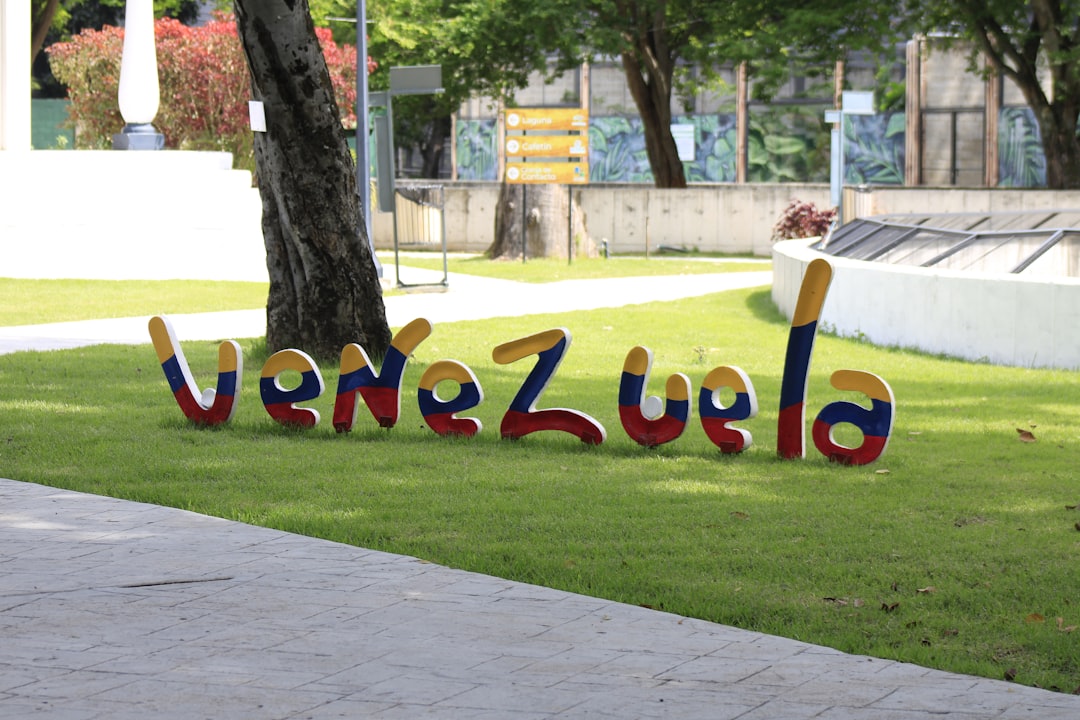
Venezuela has raised its minimum wage to $240 amid rising social unrest and inflation. This decision aims to alleviate pressure on households struggling with economic challenges.


Minimum Wage Increase Announced
Venezuela has officially raised its minimum wage to $240, more than doubling the previous amount. The announcement came from Delcy Rodríguez, the country’s interim president, who stated the increase aims to address the ongoing economic crisis and rising social unrest. This adjustment, effective immediately, marks a significant change in the country’s economic policy as it seeks to stabilize the lives of its citizens amid soaring inflation.
According to riotimesonline.com, this wage hike occurs after four years without any increase, reflecting the government’s response to mounting pressure from unions and the public. The timing of this announcement is critical, coinciding with International Workers’ Day, a period when labor rights and workers’ conditions are often highlighted. The increase is a part of a broader strategy to regain public support and quell dissatisfaction among the populace.
With inflation rates soaring, the previous minimum wage of approximately $100 was insufficient for most families. The new wage, while still low by international standards, represents a crucial step for many Venezuelans struggling to afford basic necessities. The government hopes this measure will alleviate some immediate economic pressures on households.
Context of Economic Challenges
Venezuela has been grappling with severe economic challenges for several years, characterized by hyperinflation, food shortages, and widespread poverty. Once one of the richest countries in Latin America due to its oil reserves, Venezuela’s economy has collapsed under mismanagement and sanctions. As reported by france24.com, the inflation rate has reached staggering levels, causing the cost of living to skyrocket.
The economic turmoil has led to increasing protests, with citizens demanding better living conditions and government accountability. Many Venezuelans have taken to the streets in recent months, expressing their frustration over the lack of basic services and the inability to make ends meet. The protests have become a focal point for various social movements, highlighting the urgent need for reform.
Once one of the richest countries in Latin America due to its oil reserves, Venezuela’s economy has collapsed under mismanagement and sanctions.
You may also like
 Government & Policy
Freelancers Navigate ITR Deadline: Forms and Deductions
Freelancers in India must file their Income Tax Returns (ITR) by 31 August 2026. This article outlines the necessary forms, income reporting rules, and tax…
Read More →In this context, the wage increase is seen as a necessary but insufficient measure. While it may provide temporary relief, many analysts argue that without comprehensive economic reforms, the fundamental issues plaguing Venezuela will remain unresolved. The government faces the challenge of not only implementing wage increases but also addressing the root causes of inflation and economic instability.
Reactions from Labor Unions and Citizens
The announcement of the minimum wage increase has been met with mixed reactions from labor unions and the general public. Some unions have praised the decision as a long-overdue recognition of workers’ struggles. However, others argue that the increase does not go far enough to match the skyrocketing cost of living. According to reuters.com, union leaders have called for further negotiations to ensure that wages keep pace with inflation.
Public sentiment is equally divided. While many welcome the increase as a positive step, there is skepticism about the government’s ability to sustain such policies. Citizens are wary, recalling previous instances where wage increases were quickly eroded by inflation. The lack of trust in government promises complicates the situation, as many remain unconvinced that this measure will lead to lasting improvements.
Moreover, the increase coincides with a broader backdrop of civil unrest, as citizens continue to demand more substantial changes. The wage hike is viewed as a temporary fix rather than a long-term solution, prompting calls for comprehensive reforms to the economy and governance.
The government must find a balance between providing immediate relief and ensuring sustainable economic growth.
Economic Implications of the Wage Hike
The decision to raise the minimum wage has broader implications for Venezuela’s economy. It reflects the government’s attempt to regain control over a spiraling economic situation. However, experts caution that increasing wages without addressing inflation could lead to further economic instability. The government must find a balance between providing immediate relief and ensuring sustainable economic growth.
You may also like
 Government & Policy
Governments are making a dangerous bet on the AI boom
The current landscape shows that countries like the United States, the United Kingdom, and Japan are betting heavily on AI to stimulate their economies. For…
Read More →Additionally, the wage hike could impact businesses, particularly small and medium enterprises that may struggle to absorb the increased labor costs. According to en.cibercuba.com, many businesses are already operating on thin margins, and further financial strain could lead to layoffs or closures.
In the long term, the government will need to implement policies that encourage investment and economic diversification. Relying solely on wage increases without fostering a stable economic environment may hinder recovery efforts. The international community will be closely watching how Venezuela navigates these challenges in the coming months.
Prospects for Venezuelan Workers
The future for Venezuelan workers remains uncertain as the country grapples with its economic realities. While the wage increase is a welcome change for many, it raises questions about the sustainability of such measures. Citizens are left wondering if this adjustment will lead to genuine improvements in their living conditions or if it is merely a temporary solution.
Prospects for Venezuelan Workers The future for Venezuelan workers remains uncertain as the country grapples with its economic realities.
As the country approaches International Workers’ Day, the focus on labor rights and economic justice is likely to intensify. Workers may mobilize further, demanding not only higher wages but also better working conditions and government accountability. This could lead to a resurgence of protests and social movements advocating for comprehensive reform.
In light of these developments, the government faces a critical juncture. It must demonstrate a commitment to addressing the underlying economic issues while managing public expectations. Failure to do so may result in increased unrest and further challenges to its authority.
You may also like
 Government & Policy
Hierarchical red tape slows government policy implementation
According to Career Ahead's analysis of federal staffing data, agencies that grant greater.
Read More →