China's national university entrance exam registrations have dropped sharply, reflecting a significant shift towards vocational training among teenagers. With youth unemployment rates exceeding 16%, more students are prioritizing practical skills over traditional academic degrees.
China’s national university entrance exam registrations have dropped sharply. This year, 12.9 million students will take the exam, down 450,000 from last year. This decline marks the second consecutive year of falling registrations. More teenagers are choosing vocational programs over academic degrees. This shift reflects changing career aspirations among Chinese youth in a tough job market.
The Ministry of Education released this year’s registration figures, showing a structural decline in college-age students. The youth unemployment rate has surpassed 16% for those aged 16 to 24. This raises concerns about job prospects for new graduates. Analysts predict the situation may worsen as 12.7 million university graduates are expected to enter the labor market this summer. This will increase competition for available jobs. According to a report by Reuters, the drop in registrations shows growing disillusionment with traditional pathways to success.
Shifting Aspirations: The Move Towards Vocational Training
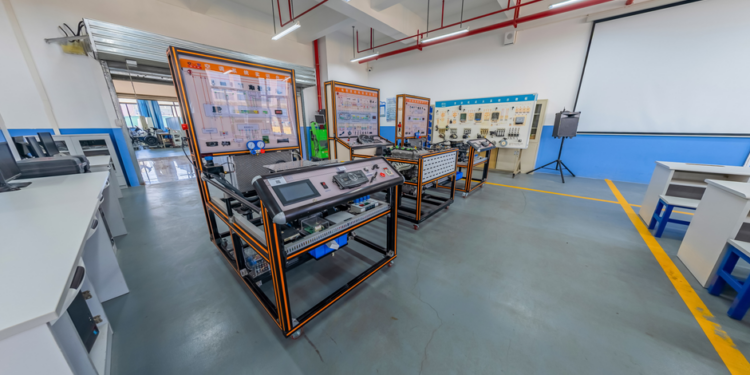
The decline in university aspirants is not just a statistic; it shows a significant change in China’s educational landscape. More students are choosing vocational training programs that lead directly to jobs. Reports indicate that vocational colleges in cities like Shanghai have seen a 15% increase in enrollments compared to three years ago. This trend suggests students and parents are recognizing that vocational education can offer a more stable career path than traditional degrees. Many families now prioritize practical skills over academic achievements, reflecting a broader societal shift in values.
Parents are increasingly looking for alternatives to the pressures of the Gaokao, the national university entrance exam. In Beijing, hundreds of parents lined up at vocational schools to secure limited spots. This growing demand for vocational education highlights a change in how families view higher education versus practical skills training. The success of vocational graduates in various industries encourages families to consider these pathways as legitimate and lucrative options.
Career Ahead’s analysis shows that this trend responds to immediate economic pressures and reflects a broader societal shift. Young people are reevaluating their career goals and the value of a university degree. With the job market changing, many students prioritize skills that align with industry needs. They are opting for practical training that boosts their employability. The rise of technology-driven industries in China has fueled this trend, as students see the demand for skilled workers in fields like information technology and engineering.
New York City's school system remains one of the most segregated in the U.S. City leaders are now pushing for integration, but advocates emphasize the…
The rise of technology-driven industries in China has fueled this trend, as students see the demand for skilled workers in fields like information technology and engineering.
The shift towards vocational training may also relieve some pressure on the higher education system. This system has struggled with increasing numbers of graduates in a saturated job market. As vocational programs gain popularity, they may provide a balanced approach to education that meets the needs of students and employers. This shift could lead to a more diverse workforce, as vocational training emphasizes hands-on experience and practical skills applicable in the workplace.
Implications for Higher Education Institutions and Policy Makers
The declining registration numbers for the Gaokao have significant implications for higher education institutions in China. As fewer students aspire to attend university, colleges may face increased competition for enrollment. This could lead to a reevaluation of admission standards and program offerings to attract students back to academic paths. Institutions may need to innovate their curricula to include more practical skills and industry partnerships that align with the evolving job market.
The government may also need to consider policy changes to address the changing education landscape. With a growing focus on vocational training, increased funding and support for these programs may be necessary. Policymakers could explore ways to enhance the quality of vocational education to ensure it meets industry standards and provides valuable skills. As noted by the Straits Times, the government’s role in facilitating this transition will be crucial for the future of education in China.
Career Ahead research finds that if these trends continue, the higher education sector may need to adapt to a new reality. Vocational training could be seen as a viable alternative to traditional university education. This shift could reshape the educational framework in China, leading to a more diversified system that meets a broader range of student needs and career aspirations. The implications extend beyond education; they also affect the job market. As more students enter vocational programs, industries may see a change in the types of skills available in the workforce. This could help reduce the unemployment rate among young people.
As education and employment landscapes evolve, it is crucial for students and educators to remain adaptable. The ongoing changes in Gaokao registration trends remind us of the need to evaluate educational pathways and their alignment with the job market. Ultimately, the decline in university entrance exam registrations raises important questions about the future of education in China. Will vocational training continue to gain traction, or will traditional university programs adapt to regain their appeal? As these dynamics unfold, they will shape the opportunities available to future generations of students.
This shift could reshape the educational framework in China, leading to a more diversified system that meets a broader range of student needs and career aspirations.
Frequently Asked Questions
What are the reasons behind the drop in university entrance exam registrations in China?
The decline in registrations is due to several factors. These include a challenging job market, high youth unemployment rates, and a growing preference for vocational training over traditional university degrees.
How will this decline affect future job markets in China?
The decrease in university aspirants may lead to a more skilled workforce. As students pursue vocational training, this shift could help reduce youth unemployment by aligning education with industry needs.
What alternative pathways are available for high school students opting out of university?
High school students can consider enrolling in vocational training programs. These programs often provide practical skills and direct pathways to employment in various industries.



Education & University Insights

 Education & University Insights