


Virtual reality-based internships are turning empty CV sections into hands-on experience, and companies that ignore the trend risk losing tomorrow’s talent.
The skills gap Problem
A 2025 ITIF survey found that 68% of hiring managers in tech-heavy sectors say graduates “rarely demonstrate proficiency in immersive technologies.” Maya Patel, a sophomore engineering student, was turned down for a summer role at a medical-device startup due to “lack of practical VR experience.” This is not an isolated case. Traditional internships often fail to provide students with hands-on experience in areas like product design, remote surgery, or virtual classrooms.
The Context of Virtual Reality Adoption
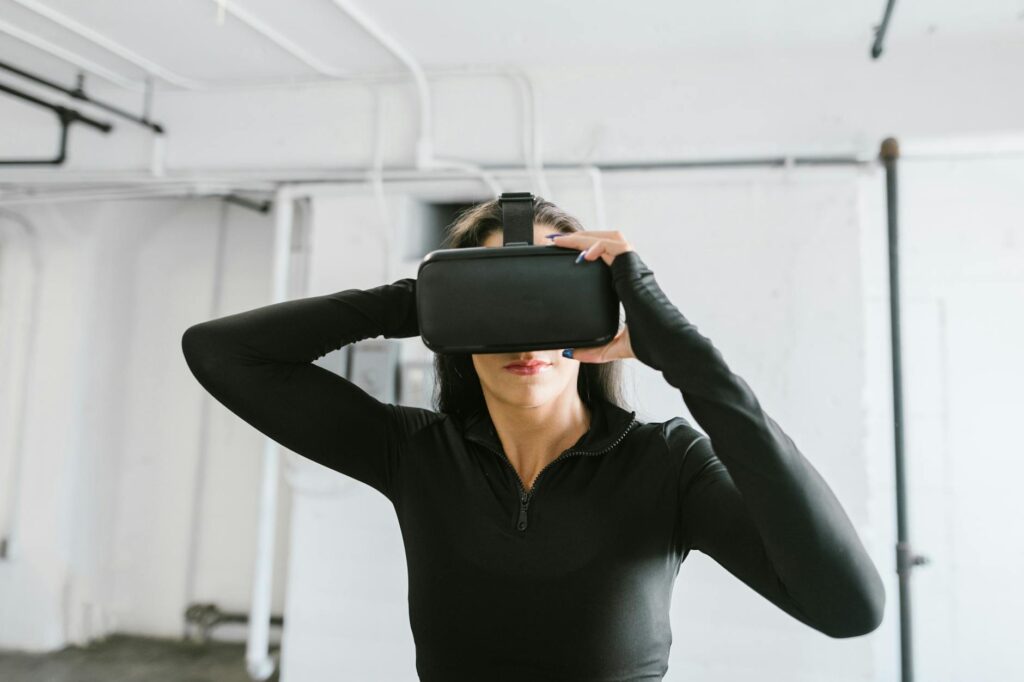
VR is no longer a novelty. Hospitals are using headsets to train surgeons, and education firms are rolling out immersive labs. The pandemic forced many firms to go remote, and with it came a surge in virtual collaboration platforms. Companies are now realizing that to attract digitally native talent, they must meet candidates where they already spend time: in virtual spaces.
For students, the penalty is even sharper: without VR credentials, they struggle to break into high-growth fields like mixed-reality design or digital health.
The Stakes of Failing to Adapt
If firms cling to old-school internships, they risk a talent bleed. A recent Community College Daily piece warned that firms lacking immersive training pipelines could see a 15% higher turnover among early-career hires. For students, the penalty is even sharper: without VR credentials, they struggle to break into high-growth fields like mixed-reality design or digital health.
The Response: Virtual Reality Internships

Companies like STEMROBO are launching VR Lab programs that place students inside simulated factories and biotech labs. Participants work on live projects, from designing a VR-guided prosthetic arm to scripting interactive safety drills. STEMROBO reports that 82% of its interns receive full-time offers within six months of graduation.
The Future Outlook: A New Era of Learning
Analysts expect VR internships to become mainstream within five years. The Frontiers report predicts a 70% increase in corporate-sponsored virtual apprenticeship slots by 2027. As VR hardware becomes lighter and cheaper, schools are integrating it into curricula, blurring the line between classroom and workplace.
Career Angle
 Education & University Insights
India’s Higher Education Agenda Puts Skills, Research and Faculty First
A panel framed the debate around India@2047, while a university chancellor said competitive research ecosystems can take 10–15 years to develop.
Read More →For job seekers, a VR internship is a fast-track badge. It signals to recruiters that the candidate can navigate 3-D environments, collaborate in virtual teams, and prototype under time pressure. Adding “VR-project lead” to a résumé can lift interview callbacks by up to 30%.
Written by Career Ahead AI. AI can make mistakes, so verify key facts. Report errors to support@careeraheadonline.com.





