Waymo's fleet has expanded to around 4,000 robotaxis across 15 U.S. cities, reflecting a growing demand for autonomous vehicle technology expertise. This growth creates significant opportunities for engineers and data analysts in the autonomous vehicle sector, as the company scales operations and enhances its services.
Waymo has significantly expanded its fleet, now operating around 4,000 robotaxis across 15 cities in the U.S. This growth, which has occurred over the past year, reflects an increasing demand for expertise in autonomous vehicle technology and data analysis. With an average of 500,000 paid rides each week, Waymo’s rapid scaling is reshaping the landscape for autonomous vehicle engineers and transportation data analysts.
Waymo’s fleet expansion is particularly evident in California and Texas, where approximately 80% of its vehicles are concentrated. In Texas alone, the fleet has surged by nearly 50% in just three weeks, driven by the introduction of a new minivan model designed for high-volume service. This strategic focus on key states underscores the company’s commitment to scaling its operations effectively. According to a report by TechCrunch, Waymo’s service area has expanded significantly, moving from just three cities—Phoenix, Los Angeles, and San Francisco—to 15 cities, showcasing its aggressive growth strategy.
Career Opportunities for Engineers
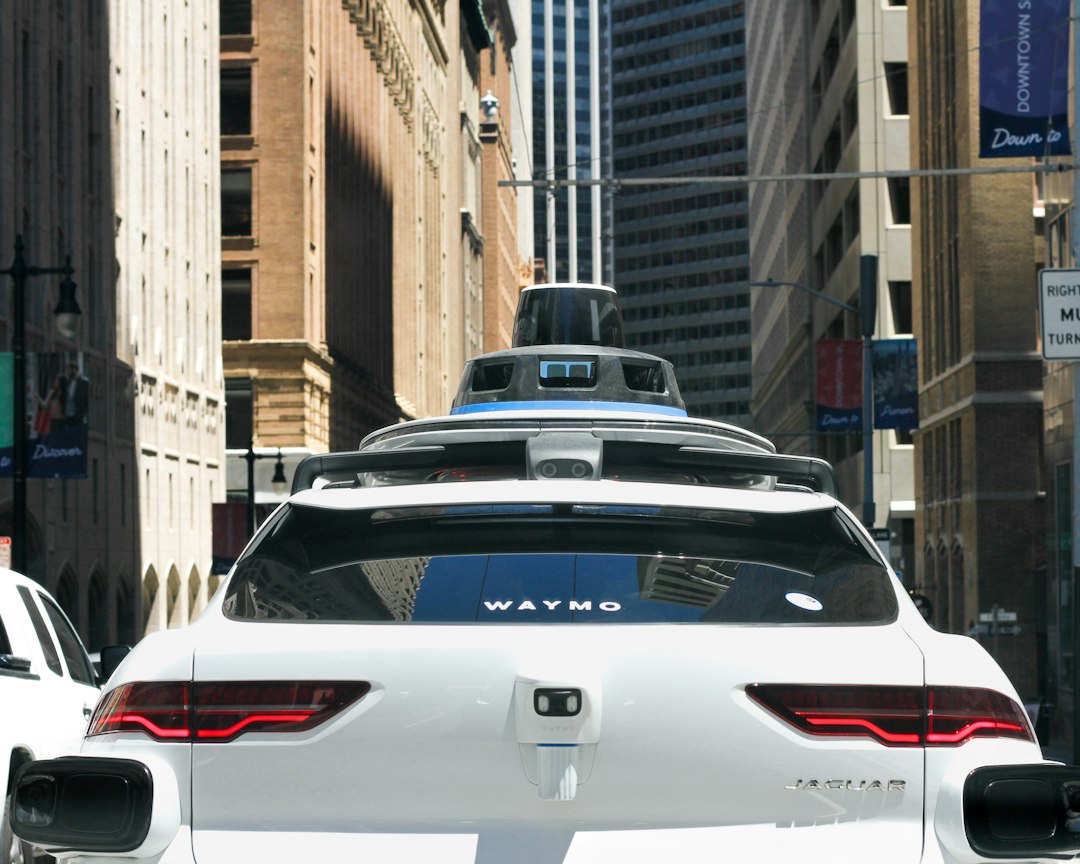
The rapid increase in Waymo’s fleet size is creating significant opportunities for engineers specializing in autonomous vehicle technology. As the company continues to innovate and expand its service areas, it requires a growing number of engineers skilled in AI and machine learning. The recent introduction of Waymo’s Ojai minivan, equipped with advanced self-driving technology, exemplifies the type of innovation driving this demand. The Ojai’s design focuses on durability and user experience, which means engineers will need to adapt to new design and engineering challenges.
Moreover, the complexity of integrating AI systems into vehicles necessitates a workforce that is not only technically proficient but also versatile. Engineers will be required to collaborate across disciplines, including software, hardware, and systems engineering. This interdisciplinary approach not only enhances vehicle performance but also broadens the skill set required of engineers. As Waymo continues to scale, engineers who can work across these disciplines will find themselves in high demand. The growing emphasis on safety and regulatory compliance in autonomous vehicle technology further complicates the engineering landscape, as professionals must navigate a web of legal and ethical considerations while innovating.
As the company continues to innovate and expand its service areas, it requires a growing number of engineers skilled in AI and machine learning.
Sarvam AI's launch of Saaras V4 significantly enhances speech recognition capabilities across 22 Indian languages, offering five output formats. This development is poised to transform…
As Waymo expands its fleet and ridership, the role of transportation data analysts becomes increasingly vital. Analyzing performance data from the fleet will be essential for optimizing operations and enhancing user experience. Data analysts with expertise in AI and machine learning will be particularly valuable, as they can provide insights that drive operational efficiency. With Waymo’s average of 500,000 rides per week generating a wealth of data, the need for skilled analysts to interpret this information is paramount. Data analysts will be tasked with identifying patterns, enhancing safety measures, and improving customer satisfaction through data-driven insights.
Furthermore, the integration of advanced analytics into transportation systems means that analysts must stay abreast of technological advancements. Familiarity with machine learning algorithms and predictive modeling will be essential as companies like Waymo seek to leverage data for strategic decision-making. Those who can effectively use these tools will be positioned to advance their careers significantly. As highlighted by TechCrunch, the rapid scaling of Waymo’s services necessitates a robust analytical framework to ensure operational success and customer satisfaction.
Adapting to Market Changes
As Waymo continues to roll out its services in new markets, analysts will need to adapt their strategies to different regulatory environments and consumer behaviors. This adaptability will be crucial for ensuring that data-driven insights remain relevant and actionable across diverse markets. The ability to analyze and interpret data in real-time will also become increasingly important as the demand for immediate insights grows. Overall, the expansion of Waymo’s fleet not only highlights the demand for autonomous vehicle engineers but also emphasizes the critical role of data analysts in shaping the future of transportation.
Preparing for a Competitive Landscape
With Waymo’s fleet expected to grow further, engineers and analysts should be prepared for a competitive job market. The ability to demonstrate proficiency in cutting-edge technologies and a strong understanding of regulatory requirements will be crucial. As the industry matures, regulatory compliance will play an increasingly important role, and professionals who can navigate these complexities will be highly sought after. The future of autonomous vehicles is bright, and professionals in this field must prepare for the opportunities that lie ahead.
Frequently Asked Questions
What skills are needed for engineers in the expanding autonomous vehicle sector?
Engineers in the autonomous vehicle sector must possess strong skills in AI and machine learning, as well as a solid understanding of systems engineering. Familiarity with regulatory compliance and safety standards is also crucial, as the industry faces increasing scrutiny from policymakers.
China's President Xi Jinping has called for increased cooperation with the United States on artificial intelligence, emphasizing the potential benefits for both nations and the…
The future of autonomous vehicles is bright, and professionals in this field must prepare for the opportunities that lie ahead.
How can transportation data analysts leverage Waymo’s growth for career advancement?
Transportation data analysts can leverage Waymo’s growth by developing expertise in data analytics tools and machine learning techniques. As the demand for data-driven insights increases, analysts who can effectively interpret complex data will find ample career advancement opportunities.
What should autonomous vehicle engineers do to stay competitive in a rapidly scaling industry?
To remain competitive, autonomous vehicle engineers should continuously update their skills in emerging technologies and stay informed about industry trends. Engaging in interdisciplinary collaboration and understanding regulatory requirements will also enhance their marketability in the evolving landscape.




AI & Technology

 AI & Technology