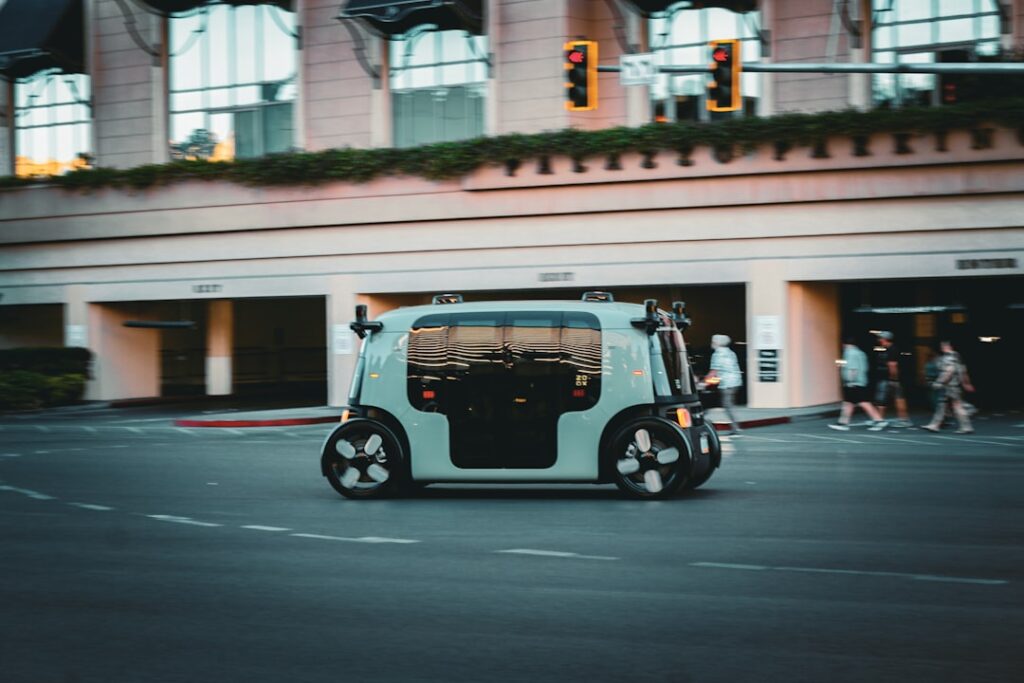
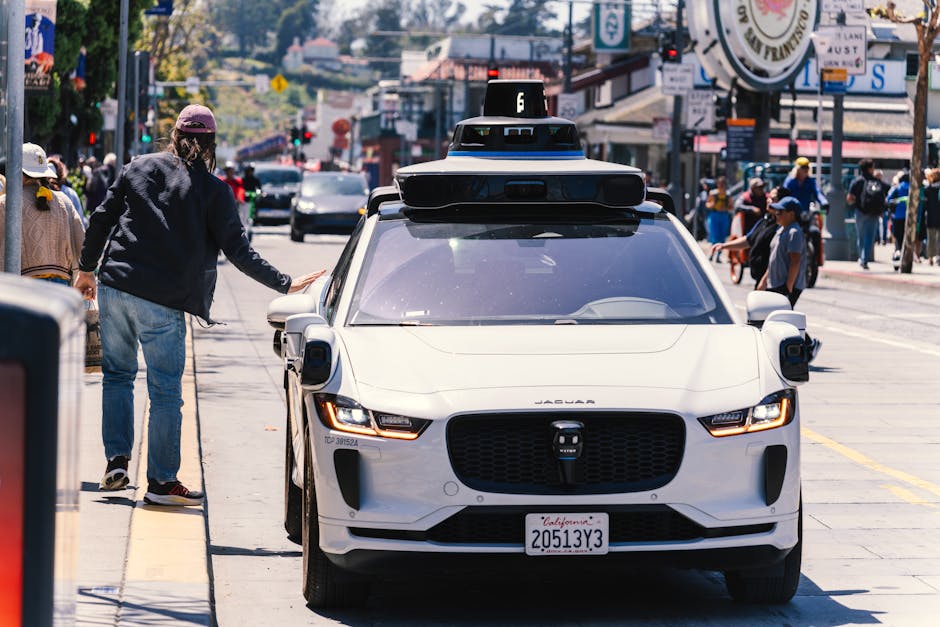
London, UK — Waymo, a leader in autonomous vehicle technology, has begun testing its robotaxi service in London, aiming to launch a commercial fleet later this year. This marks a pivotal moment in urban mobility, as the company seeks to expand its operations beyond the United States. With a fleet of about 100 all-electric Jaguar I-Pace vehicles, Waymo is preparing to navigate the complexities of one of the world’s busiest cities. The implications of this development extend far beyond just transportation; they touch on regulatory, economic, and social dimensions.
The testing phase involves human safety operators behind the wheel, ensuring that the vehicles can adapt to local driving conditions. Waymo’s commitment to safety is evident in their approach, as they work closely with local authorities to finalize regulations that will govern the operation of autonomous vehicles in London. This collaboration is crucial, as the regulatory landscape for autonomous vehicles varies significantly across different regions.
As Waymo embarks on this journey, it faces competition from other players in the autonomous vehicle market. Companies like Uber and local startup Wayve are also vying for a share of London’s emerging robotaxi market. This competitive environment is likely to spur innovation and accelerate the adoption of autonomous technologies, reshaping how urban transportation is perceived and utilized.
Reimagining Urban Transportation
The introduction of robotaxis represents a significant shift in urban mobility paradigms. Traditional taxi services have long dominated urban transport, but the rise of autonomous vehicles promises to disrupt this status quo. Waymo’s testing in London is not just about providing a new mode of transportation; it is about reimagining how cities can function.
Autonomous vehicles could reduce traffic congestion and lower emissions, as they are designed to optimize driving patterns. According to a report by TechCrunch, Waymo’s vehicles are equipped with advanced sensors and AI algorithms that enable them to navigate complex urban environments efficiently. This technology has the potential to enhance road safety, as autonomous vehicles can react faster than human drivers to avoid accidents.
This aligns with broader goals of sustainable urban development, as cities seek to create more inclusive and environmentally friendly transportation systems.
Moreover, the shift towards robotaxis could democratize access to transportation. By providing affordable and efficient services, Waymo may help bridge the mobility gap for underserved communities. This aligns with broader goals of sustainable urban development, as cities seek to create more inclusive and environmentally friendly transportation systems.
Economic and Regulatory Challenges
 Entrepreneurship & Business
Europe Adds to Business Regulatory Burden, Speaker Says
The exchange covered deregulation, CBAM, an India-EU trade agreement and trade figures for India’s ties with the EU and the Netherlands.
Read More →The impact of Waymo’s robotaxi service will be felt across various sectors. Economically, the introduction of autonomous vehicles could create new jobs in technology, maintenance, and customer service. Waymo has already begun hiring locally, establishing service centers, and contributing to the UK economy. This investment reflects a broader trend where tech companies are recognizing the importance of local engagement in their operations.
However, the regulatory environment remains a critical challenge. The UK government has been working to establish a framework for autonomous vehicle operations, but the pace of regulatory approval can influence the speed of market entry for companies like Waymo. According to TechBuzz, the government must finalize its trial program regulations, which will dictate how these vehicles can operate on public roads.
Public perception also plays a crucial role in the success of robotaxi services. While many people are excited about the potential of autonomous vehicles, others express concerns about safety and job displacement. Addressing these fears through transparent communication and community engagement will be essential for Waymo as it moves forward with its testing and eventual launch.
Debates Surrounding Autonomous Vehicles
Despite the promising outlook for Waymo’s robotaxi service, several contradictions and debates remain. While proponents argue that autonomous vehicles will enhance safety and efficiency, critics highlight the potential risks associated with technology failures and the ethical implications of AI decision-making in critical situations. For instance, questions arise about how autonomous vehicles will prioritize the safety of passengers versus pedestrians in emergency scenarios.
Public perception also plays a crucial role in the success of robotaxi services.
Additionally, the competitive landscape in London complicates Waymo’s position. With other companies like Uber and Wayve also planning to launch their robotaxi services, the market could quickly become saturated. This competition may drive innovation but could also lead to a race to the bottom in terms of pricing and safety standards.

Implications for Future Urban Mobility
As Waymo continues its testing and prepares for a full launch, the implications for cities worldwide are profound. If successful, this model could be replicated in other urban centers, leading to a global shift in how people perceive and utilize transportation.
 Entrepreneurship & Business
Use a Business Loan to Fix Cash Flow: Five Decisions
Cash flow is the top challenge for half of small firms. Here is how to choose a loan that fits.
Read More →For young professionals and aspiring entrepreneurs, the rise of autonomous vehicles presents new career opportunities. Fields such as AI development, urban planning, and sustainable transportation are likely to see increased demand for skilled workers. Those looking to enter the job market should consider how these trends may shape their career paths and the skills they will need to thrive in an evolving landscape.
Written by Career Ahead AI. AI can make mistakes, so verify key facts. Report errors to support@careeraheadonline.com.