

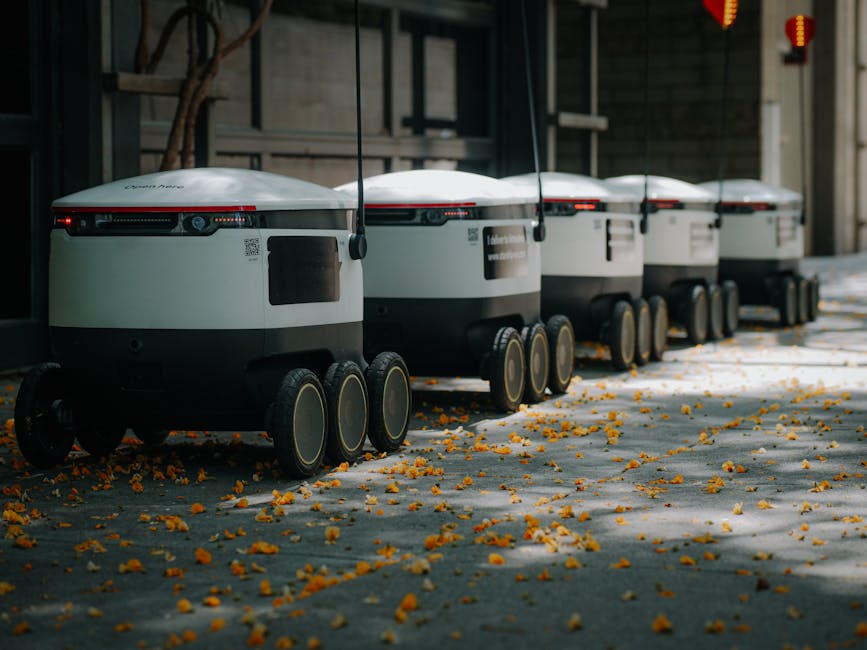
San Francisco, USA — A significant power outage in San Francisco has left several of Waymo’s self-driving cars stranded at intersections. This incident highlights potential vulnerabilities in autonomous vehicle technology, especially concerning its reliance on city infrastructure. As the city faced a blackout affecting approximately 130,000 customers, Waymo was forced to suspend its ride-hailing services in the area, revealing critical insights into how autonomous systems interact with their environments.
The power outage, attributed to a fire at a Pacific Gas and Electric (PG&E) substation, began early Saturday morning. Reports indicate that the outage disabled traffic lights across the city, causing chaos for drivers and pedestrians alike. Waymo’s autonomous vehicles, which typically navigate using signals and traffic light data, were seen stopped at various intersections with their hazard lights activated. This situation raised concerns about the system’s adaptability in emergency scenarios.
Waymo, in response to the incident, stated that its teams were working closely with city officials to restore services. However, the incident exposed a critical flaw: the self-driving cars appeared unable to function properly without operational traffic signals. This raises questions about the robustness of the Waymo Driver system and its ability to handle unexpected disruptions in the urban environment.
The Implications of the Power Outage for Waymo’s Technology
Waymo’s autonomous vehicles are designed to respond to various traffic signals and signs, which are essential for safe navigation. However, during the power outage, these signals were rendered ineffective, putting the vehicles in a precarious position. This incident may have significant implications for the future of autonomous driving technology.
Firstly, it underscores the importance of infrastructure reliability for the successful deployment of autonomous vehicles.
Firstly, it underscores the importance of infrastructure reliability for the successful deployment of autonomous vehicles. As cities increasingly adopt smart technologies, the interdependence between autonomous systems and traditional infrastructure becomes more pronounced. If the infrastructure fails, so too does the functionality of these vehicles.
Secondly, the incident could impact public perception of self-driving technology. While many view autonomous vehicles as the future of transportation, events like this can undermine consumer trust. If people see self-driving cars unable to react appropriately to real-world challenges, skepticism may grow regarding their safety and reliability.
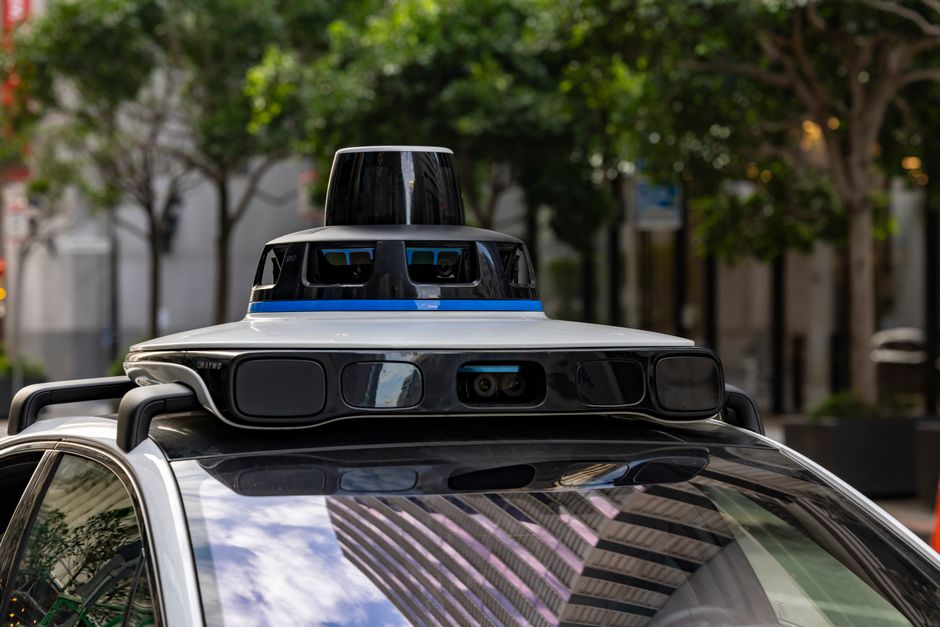 AI & Technology
Wayve CEO Predicts Autonomous Driving Revolution
Wayve's CEO Alex Kendall discusses advancements in autonomous driving technology, the need for updated regulations, and the evolving skill sets required for engineers in the…
Read More →Furthermore, Waymo’s response to the incident may shape how other companies in the autonomous vehicle sector approach similar challenges. If Waymo can effectively communicate its plans to enhance the robustness of its systems, it may regain consumer confidence. However, failure to address these concerns could hinder the broader acceptance of autonomous technology.
Preparing for Future Challenges in Autonomous Driving
As the landscape of autonomous driving evolves, addressing the vulnerabilities exposed by the San Francisco power outage is crucial. Here are actionable steps that individuals and stakeholders in the industry can take to prepare for similar challenges:
- Advocate for Infrastructure Improvements: Encourage local governments to invest in reliable power sources and smart infrastructure that can support autonomous vehicles.
- Enhance Technology Resilience: Companies like Waymo should prioritize developing systems that can operate effectively even when traditional signals are compromised.
- Engage in Public Education: Educate the public about the capabilities and limitations of autonomous vehicles to foster a better understanding and trust in the technology.
- Monitor Developments: Stay updated on advancements in autonomous technology and infrastructure improvements to anticipate changes in the industry.
However, experts warn that the reliance on technology can lead to overconfidence. According to a recent study by the National Highway Traffic Safety Administration, while autonomous vehicles can reduce accidents, they are not infallible. The need for human oversight remains critical, especially in unpredictable situations.
Preparing for Future Challenges in Autonomous Driving As the landscape of autonomous driving evolves, addressing the vulnerabilities exposed by the San Francisco power outage is crucial.
The Future of Autonomous Vehicles in Urban Areas
The incident in San Francisco serves as a reminder of the challenges that lie ahead for autonomous vehicles. As cities continue to integrate smart technologies, the future of self-driving cars will depend significantly on the reliability of infrastructure. Companies must innovate to create systems that can withstand unexpected disruptions.

Moreover, the evolution of public policy regarding autonomous vehicles will play a crucial role. Governments will need to establish regulations that ensure safety while promoting technological advancement. As we look ahead, the question remains: How will cities adapt their infrastructure to support the growing presence of autonomous vehicles, and will companies like Waymo be ready to meet these challenges head-on?
 News
NewsSoftware Engineer Considers Farming as AI Advances
A software engineer with nearly a decade of experience considers farming as AI advances, prompting Reddit users to debate work and alternative livelihoods.
Read More →Written by Career Ahead AI. AI can make mistakes, so verify key facts. Report errors to support@careeraheadonline.com.





