

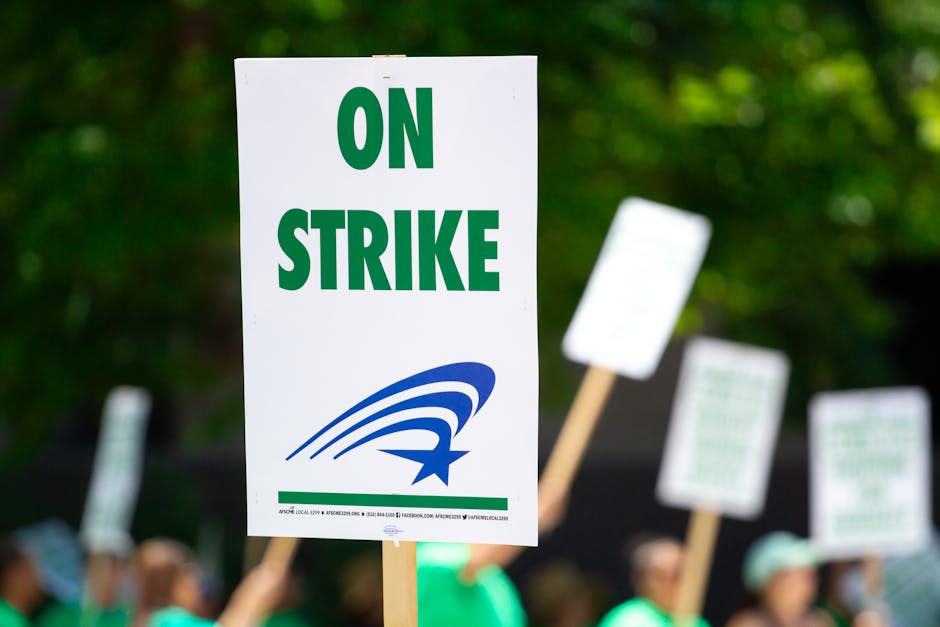
New York, USA — Bernie Sanders delivered a powerful message at a rally in Manhattan, warning that the worst is yet to come for American workers. He emphasized that unless workers unite against the ruling class of billionaires, the economic landscape will worsen. This rally, part of the launch of the Union Now initiative, brought together labor leaders and workers from various sectors to address the urgent need for unionization and collective bargaining.
Sanders highlighted the growing influence of billionaires like Elon Musk and Jeff Bezos, who are investing heavily in technology that threatens to displace jobs. He stated, “Unless we fundamentally transform our economic and political systems, the worst is yet to come.” This stark warning comes amid rising inflation and economic instability, compounded by geopolitical tensions, particularly the ongoing war in Iran, which has further strained the economy.
The rally also featured New York City Mayor Zohran Mamdani, who echoed Sanders’ concerns about artificial intelligence (AI) and its potential to replace human jobs. Mamdani stated, “AI and robots are coming for human jobs. Worker protections are being eroded.” This sentiment resonates with many workers who fear that advancements in technology may lead to widespread job losses and increased exploitation.
Economic Pressures and Wealth Disparity
The economic backdrop of this rally is critical. Recent reports indicate that US inflation surged in March, driven by various factors, including the war in Iran, which has disrupted oil supplies and led to price hikes. According to Bloomberg, the conflict has caused oil prices to spike above $100 per barrel, further squeezing consumers and businesses alike. As economic pressures mount, the wealth gap continues to widen, with billionaires accumulating unprecedented levels of wealth.
In 2025 alone, data showed that the net worth of US billionaires increased by $1.5 trillion, while many workers struggled to keep up with rising living costs. Sanders pointed out that Musk’s wealth exceeds that of the bottom 53% of Americans combined, illustrating the stark divide between the ultra-wealthy and the working class. This growing inequality poses significant risks to social stability and economic resilience.
Moreover, the recent moves by billionaires to automate industries raise critical questions about the future of work.
Moreover, the recent moves by billionaires to automate industries raise critical questions about the future of work. Bezos, for instance, announced plans to invest $100 billion in automating manufacturing processes, which could displace thousands of jobs. Such actions not only threaten employment but also undermine workers’ bargaining power, making it increasingly difficult for them to secure fair wages and benefits.
 Government & Policy
UK Billionaires Leaving for Monaco Amid Wealth Tax Concerns
Concerns about new wealth taxes in the UK are driving billionaires to move to Monaco, highlighting a broader trend of wealthy individuals seeking tax-friendly jurisdictions…
Read More →As Sanders and Mamdani called for increased unionization, they emphasized that collective action is essential to combat the rising tide of inequality. “Organizing drives and strikes can be lonely work,” Mamdani said. “So Union Now is going to support workers and provide them with more resources.” This initiative seeks to empower workers to stand up against exploitation and advocate for their rights.
Labor Movements and Political Change
The implications of Sanders’ rally extend beyond immediate labor concerns. The call for unionization and collective action highlights a broader movement towards addressing systemic issues within the economy. As workers increasingly feel the pressure from automation and corporate greed, the push for stronger labor protections becomes more urgent.
Additionally, the rally underscores the potential for political change. Sanders referenced Mamdani’s recent victory in the New York City mayoral election as a beacon of hope for working-class movements. His success demonstrates that grassroots organizing can lead to significant political outcomes, challenging the dominance of billionaires and their influence over policy decisions.
However, the road ahead is fraught with challenges. The current political climate, marked by deep divisions and partisan conflicts, complicates efforts to enact meaningful reforms. Many lawmakers remain beholden to corporate interests, making it difficult to push through legislation that prioritizes the needs of workers over those of billionaires.
Many lawmakers remain beholden to corporate interests, making it difficult to push through legislation that prioritizes the needs of workers over those of billionaires.
 Government & Policy
Britain Sells Five-Year Debt at a 5.036% Yield
Gilt yields have risen across advanced economies, while dealers put the rise in Britain’s gross financing requirement for 2027/28 at £27 billion.
Read More →Despite these hurdles, Sanders remains optimistic. He believes that by uniting and advocating for a government that represents the interests of all citizens, rather than just the wealthy elite, meaningful change is possible. “If we stand together and fight for a government that works for all of us, there is nothing that we cannot accomplish,” he stated, rallying the crowd to action.
Mobilizing for the Future
The rally’s message resonates with many young professionals and workers who are increasingly aware of the challenges posed by economic inequality and technological disruption. As the gig economy continues to grow, the need for collective bargaining and labor rights becomes more pronounced. Workers are seeking ways to organize and advocate for their rights in an ever-changing job market.
Moreover, the rise of AI and automation presents both challenges and opportunities. While these technologies have the potential to improve productivity and efficiency, they also pose significant risks to job security. The question remains: how will society balance the benefits of technological advancement with the need to protect workers?
The coming months will be critical in determining the trajectory of labor movements and the future of work in America.
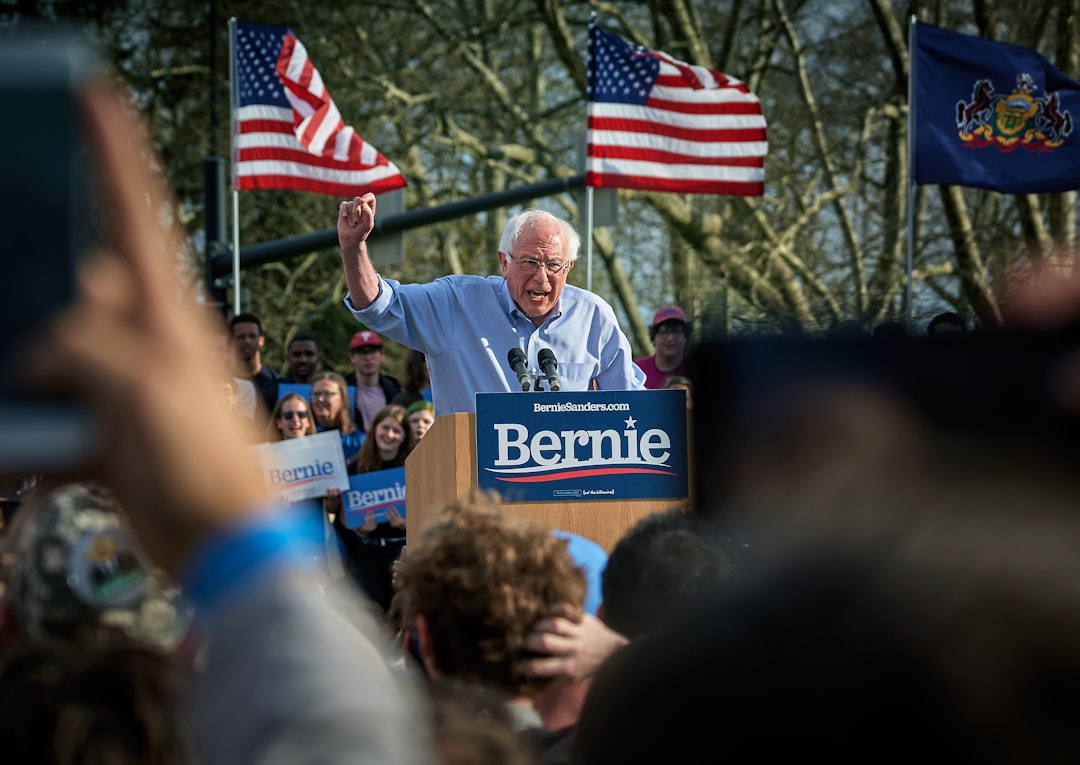
As the debate over labor rights and economic inequality intensifies, the outcomes of initiatives like Union Now will be closely watched. Will workers successfully mobilize to demand better conditions, or will the influence of billionaires continue to stifle their efforts? The coming months will be critical in determining the trajectory of labor movements and the future of work in America.
In this context, the rally serves as a crucial reminder of the power of collective action. As workers come together to advocate for their rights, they not only challenge the status quo but also pave the way for a more equitable future. The momentum generated by events like this could shape the political landscape and redefine the relationship between workers and the economy.
Written by Career Ahead AI. AI can make mistakes, so verify key facts. Report errors to support@careeraheadonline.com.





