Mumbai, India — As 2025 draws to a close, the Indian economy presents a mixed bag of signals. With various government policies aimed at boosting growth and demand, the economic landscape is evolving rapidly. Understanding these changes is crucial for professionals navigating their careers in this dynamic environment. Whether you’re a job seeker or looking to advance in your current role, the implications of these economic shifts are profound.
The year began with optimism when Prime Minister Narendra Modi and U.S. President Donald Trump announced plans for a Bilateral Trade Agreement. This free trade deal aimed to strengthen economic ties between the two nations. Additionally, the Indian government’s 2025 budget included tax cuts that were designed to increase disposable incomes and stimulate consumer spending. These early moves were seen as positive steps towards economic recovery.
However, challenges soon emerged. The U.S. imposed significant tariffs on Indian goods, complicating trade relations. The tariffs, which reached as high as 50%, affected several key sectors, including textiles and engineering goods, leading to job losses and uncertainty. The Indian government responded with an Export Promotion Mission to help exporters navigate these challenges, but the effectiveness of these measures remains to be seen.
New Trade Agreements and Their Impact
Despite the tariff issues, 2025 also saw India make significant strides in securing trade agreements. The Comprehensive Economic and Trade Agreement with the U.K. is a notable example, providing Indian businesses with duty-free access to a large market. This agreement is expected to open new job opportunities for professionals in various sectors.
Furthermore, the Trade and Economic Partnership Agreement with the European Free Trade Association officially came into effect in October 2025. This agreement is projected to attract $100 billion in investments over the next 15 years, which could lead to job creation and economic growth in India.
These developments signal a proactive approach to international trade, which could enhance job opportunities for Indian professionals abroad.
In December, India signed a Comprehensive Economic Partnership Agreement with Oman and concluded negotiations with New Zealand for a free trade agreement. These developments signal a proactive approach to international trade, which could enhance job opportunities for Indian professionals abroad.
However, the impact of these agreements on the job market is complex. While they may create new positions in export-driven sectors, the ongoing tariff disputes with the U.S. could hinder growth in labor-intensive industries. As a result, professionals in these sectors need to stay alert and adapt to the changing landscape.
 News
NewsGermany Leads Survey of Study Destinations for Indian Students
Germany’s international enrolment, work limits and graduate stay options sit alongside different living costs in Berlin and Munich.
Read More →Career Implications of Economic Changes
For job seekers and professionals, understanding the current economic signals is vital. Entry-level positions in sectors like manufacturing and textiles may face challenges due to the tariff situation. Conversely, those in technology and trade-related fields may find new opportunities arising from the recent trade agreements.
Mid-career professionals should focus on upskilling to stay relevant in a fluctuating job market. Skills in data analysis, digital marketing, and international trade will be increasingly valuable as companies adapt to new economic realities. Networking within industries that are poised for growth, such as technology and finance, can also provide an edge.
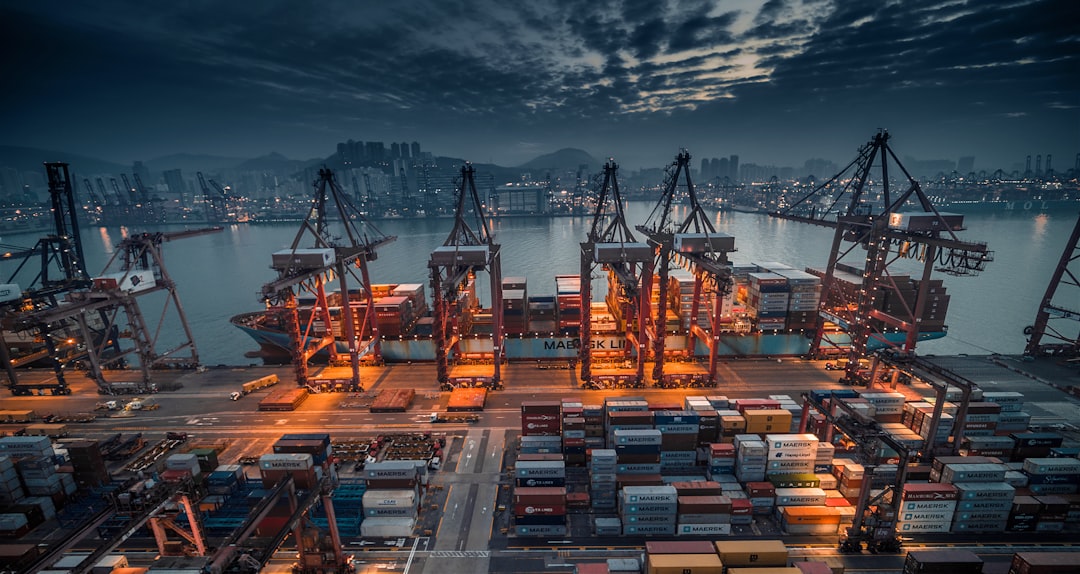
For those considering a career switch, the expanding trade agreements may offer pathways into international business roles. Understanding the nuances of these agreements and their implications for global trade can set you apart in the job market.
Mid-career professionals should focus on upskilling to stay relevant in a fluctuating job market.
- Upskill in high-demand areas: Focus on acquiring skills that are increasingly sought after, such as data analysis or digital marketing.
- Network strategically: Engage with professionals in industries that are expected to grow due to new trade agreements.
- Stay informed: Keep abreast of changes in trade policies and their implications for your sector.
However, experts warn that the current optimism may be misplaced. According to a recent report from the World Bank, while trade agreements can boost growth, they often come with hidden challenges. The sustainability of job creation in sectors affected by tariffs remains uncertain, and professionals should prepare for potential volatility in the job market.
Looking Ahead: The Future of the Indian Economy
As we move into 2026, the Indian economy’s trajectory remains uncertain. The Reserve Bank of India has projected a growth rate of 7.3%, but this figure reflects a slowdown compared to the previous year. The ongoing tariff disputes and their potential resolution will play a significant role in shaping the economic landscape.
Moreover, the planned upgrades to macroeconomic data indicators will provide clearer insights into the economy’s health. Accurate data will be crucial for businesses and professionals looking to make informed decisions.
 Government & Policy
Impact of US Trade Deal Stalemate on India’s Economy and New FTAs
The failure to finalize the US trade deal poses significant challenges for India's economy. However, the Reserve Bank of India's insights reveal that new free…
Read More →Ultimately, the future of the Indian economy will hinge on how well it navigates these challenges and capitalizes on new opportunities. As a professional, how can you position yourself to thrive in this evolving landscape? Engaging with your industry and continuously developing your skills will be key to staying ahead of the curve.
Written by Career Ahead AI. AI can make mistakes, so verify key facts. Report errors to support@careeraheadonline.com.