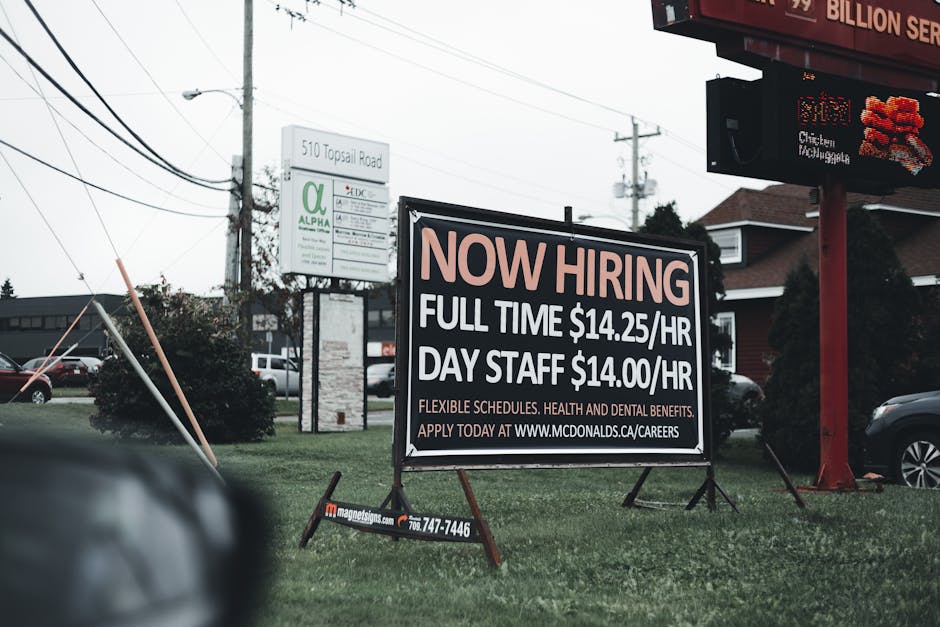
US job openings have surged to their highest levels since 2024. This shift shows a significant change in the labor market. Layoffs have also declined, creating a better environment for job seekers. Career Ahead’s analysis indicates that this trend will impact recruitment strategies across many sectors.
Recent reports show that job openings in the US have reached about 12 million. This is a notable increase from earlier this year. It suggests that employers want to expand their workforce, which is a positive sign for the economy. According to LayoffAlert.org, layoffs have dropped significantly. Only 1.5 million workers were affected in the past quarter, down from 2.3 million in the previous quarter. This decline in layoffs, along with the rise in job openings, shows a recovering labor market.
Economic Trends Shaping the Job Market
The economic landscape is changing due to several key factors that influence hiring practices. One major trend is the growing demand for skilled labor in technology, healthcare, and renewable energy. Career Ahead research shows that as companies move towards digital transformation, roles needing advanced technical skills are becoming critical. For example, the demand for data analysts and cybersecurity experts has surged as businesses focus on data security and analytics.
Additionally, the shift towards remote and hybrid work models has changed recruitment strategies. Many organizations now hire talent from diverse geographical locations, broadening the talent pool. This flexibility allows companies to attract candidates with specialized skills that may not be available locally. HR professionals must adapt their recruitment strategies to take advantage of this expanded talent pool.
Moreover, economic indicators like consumer spending and business investment are rising, fueling job creation. According to Intellizence.com, sectors such as e-commerce and logistics are growing rapidly. This growth leads to more job openings in these areas. Companies in these industries are actively seeking workers to meet increasing demand, creating a competitive hiring environment.
As the job market evolves, business analysts play a crucial role in interpreting these economic trends. They analyze data to identify sectors with the highest demand for talent and how this affects recruitment strategies. Understanding these dynamics will help organizations make informed hiring decisions.
With increased competition for skilled workers, companies must enhance their employer branding and offer competitive compensation packages to stand out.
Implications for Recruitment Strategies in 2024
The rise in job openings brings both challenges and opportunities for HR professionals. One immediate need is for organizations to refine their recruitment strategies to attract top talent. With increased competition for skilled workers, companies must enhance their employer branding and offer competitive compensation packages to stand out.
 Industry & Global Trends
RBA AI Warning Impacts Investment Strategies
The RBA's recent warning about AI's influence on financial markets signals a critical shift for financial analysts and investment managers in Australia. As AustralianSuper expands…
Read More →As the labor market tightens, employee retention strategies become even more important. Organizations should focus on creating a positive work culture and providing professional development opportunities to keep their existing workforce. Career Ahead analysis shows that companies with strong employee engagement strategies are better positioned in the competitive hiring landscape.
Furthermore, the rise in job openings requires a shift in how HR departments approach talent acquisition. Traditional recruitment methods may no longer be enough to attract the best candidates. HR professionals should use technology-driven recruitment solutions, such as AI-powered applicant tracking systems, to streamline hiring processes. These tools can help identify suitable candidates more efficiently, saving time and resources.
HR professionals must also proactively address the skills gap in the labor market. As some industries grow quickly, the demand for specific skills is outpacing supply. Companies should invest in training and upskilling programs to equip their workforce with the necessary competencies to meet changing industry demands.
HR professionals must also proactively address the skills gap in the labor market.
Looking ahead, the relationship between job openings and layoffs will continue to shape recruitment. Organizations must remain agile and responsive to these changes to stay competitive.
Why This Matters for HR Professionals and Business Analysts
The current surge in job openings is crucial for HR professionals and business analysts. As companies adapt to the changing economic landscape, understanding these trends is essential for effective workforce planning. HR professionals should use data analytics to identify skill gaps and align their recruitment strategies accordingly.
 Industry & Global Trends
Buy-and-Hold Era Ending? Portfolio Strategies Evolve
This change is significant for both retail investors and investment managers, prompting a reevaluation of portfolio strategies. The factsheet indicates that a static approach could…
Read More →For business analysts, interpreting labor market data is vital for advising organizations on hiring strategies. They must stay informed about economic indicators and sector-specific trends to provide actionable insights for recruitment decisions. This knowledge will help companies respond proactively to shifts in the job market, ensuring they attract and retain the necessary talent for success.
As the labor market continues to change, monitoring the relationship between job openings and layoffs will be key. Anticipating changes in hiring needs and workforce dynamics will be essential for organizations looking to thrive in a competitive environment.

Looking forward, the question remains: how will companies adapt their recruitment strategies to ongoing changes in the job market? The next few months will be critical in determining how organizations position themselves to attract top talent amid rising job openings and declining layoffs.
Career Ahead analysis suggests that HR professionals should enhance employer branding and adopt technology-driven recruitment solutions.
Frequently Asked Questions
What strategies should HR professionals adopt in response to rising job openings?
Career Ahead analysis suggests that HR professionals should enhance employer branding and adopt technology-driven recruitment solutions. Offering competitive compensation and fostering a positive work culture will also be crucial in attracting top talent.
How can business analysts interpret the implications of increased job openings on the economy?
Business analysts can interpret the implications by analyzing labor market data and identifying trends across various sectors. Understanding which industries are growing will help organizations align their hiring strategies with market demands.

What skills are most in demand due to the current job market trends?
Current job market trends show high demand for skills in data analysis, cybersecurity, and digital marketing. As companies prioritize these areas, professionals with expertise in these fields will find themselves in a favorable position.
Written by Career Ahead AI. AI can make mistakes, so verify key facts. Report errors to support@careeraheadonline.com.