No products in the cart.

What the Surge in US Industrial Production Means for Jobs

The recent rise in US industrial production signals potential job growth across sectors. Discover how this impacts your career opportunities.


US industrial production saw a significant increase in January, rising by 0.7%. This marks the largest growth in nearly a year, driven by robust manufacturing output and a notable surge in utility production. For young professionals and job seekers, this development is crucial as it suggests a potential shift in job availability and economic stability.
The manufacturing sector alone contributed greatly to this rise, with reports indicating a 1.0% increase in factory output. This uptick is not only a sign of recovery from previous downturns but also an indicator of growing demand for goods. As industries ramp up production, the implications for employment opportunities become increasingly relevant.
According to Bloomberg, the rise in industrial production is a clear signal of economic resilience. This uptick reflects a broader trend of recovery, suggesting that companies are beginning to invest more in production capabilities. As a young professional, understanding these shifts can help you position yourself strategically in a rapidly evolving job market.
Why Industrial Production Matters Now
The recent data from the Federal Reserve highlights a significant trend: US industrial production rose by 0.7% in January, exceeding economists’ expectations of a 0.4% increase. This growth is largely attributed to a 1.0% rise in manufacturing output, which is the highest increase reported in nearly a year. Such developments indicate a rebound in economic activity, suggesting that businesses are gearing up for increased demand.
Moreover, the utility sector also saw a remarkable 2.1% increase, reflecting higher energy consumption during the winter months. This combined growth in manufacturing and utilities points to a more robust economic environment, which is essential for job creation and stability.
For job seekers, this is an opportunity to align their skill sets with the needs of a growing industry.
As industries expand, they will likely require more skilled workers. This is particularly relevant for sectors such as manufacturing, where the demand for technical skills is on the rise. For job seekers, this is an opportunity to align their skill sets with the needs of a growing industry.
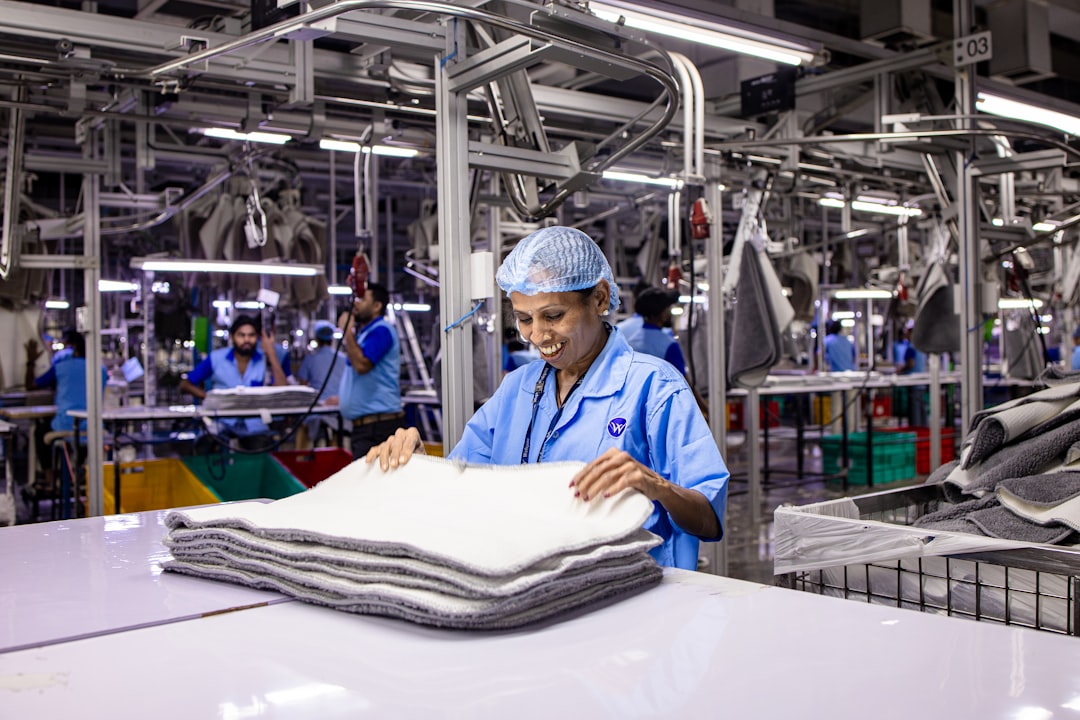
Career Implications of Increased Industrial Production
You may also like
 Government & Policy
SEBI Alerts Investors on Anonymous Tips, Finfluencers
Project Jagrook aims to combat the influence of anonymous financial advisors and so-called "finfluencers," who often provide misleading advice to unsuspecting retail investors.
Read More →The increase in industrial production can significantly affect your career trajectory. For entry-level workers, this surge may open doors to new job opportunities in manufacturing and related sectors. Companies are likely to seek fresh talent to meet the growing demand, which means that entry-level positions could become more accessible.
For mid-career professionals, the expanding industrial landscape may create pathways for advancement. As companies invest in new technologies and expand their operations, there may be more opportunities for promotions and leadership roles. Understanding the skills that are in demand can help you position yourself for these advancements.
Career switchers also stand to benefit from this trend. Those looking to transition into manufacturing or related fields can leverage the current demand for skilled workers. Upskilling through relevant certifications or training programs can enhance employability in these growing sectors.
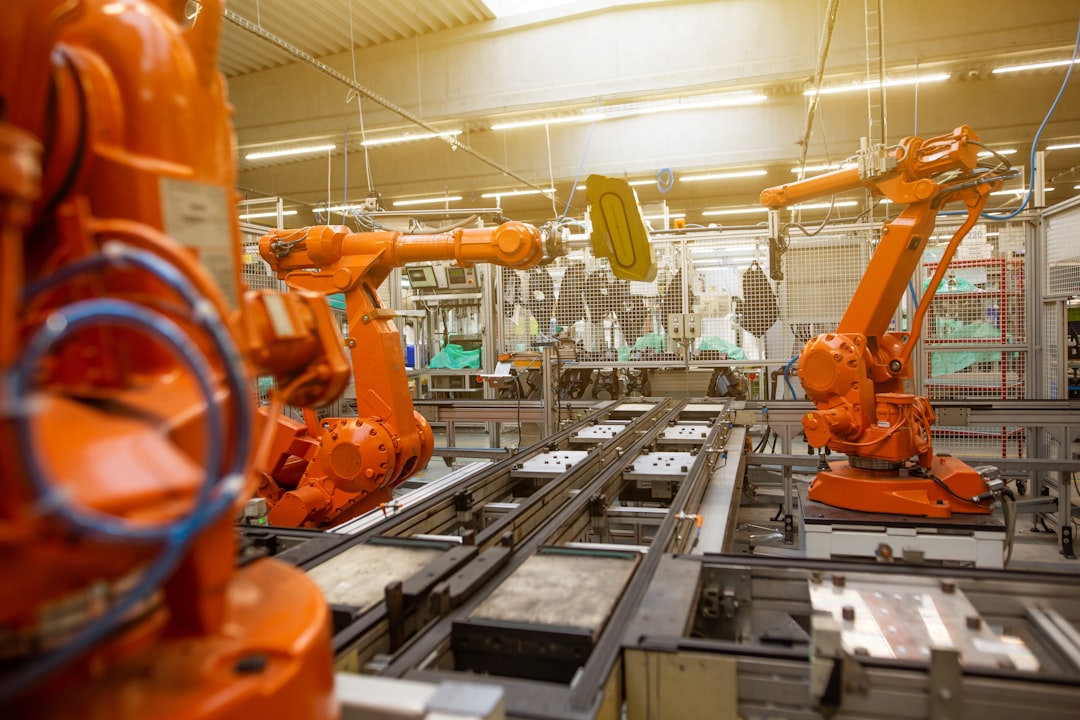
- Upskill with Industry-Relevant Training: Consider enrolling in courses that focus on manufacturing technologies, automation, or supply chain management. Websites like Coursera and Udacity offer specialized programs.
- Network with Industry Professionals: Attend industry conferences or webinars to connect with professionals in the manufacturing sector. Networking can lead to job referrals and valuable insights.
- Stay Informed on Market Trends: Regularly read industry reports and news articles to understand the evolving landscape. This knowledge can help you anticipate job opportunities and prepare accordingly.
However, experts warn that while the increase in industrial production is promising, it may not lead to sustainable job growth. According to a report from the Wall Street Journal, many companies are still cautious about hiring due to economic uncertainties. They advise potential job seekers to remain flexible and consider diversifying their skill sets.
For mid-career professionals, the expanding industrial landscape may create pathways for advancement.
The Future of Employment in Manufacturing
As we look to the future, the trajectory of US industrial production will likely continue to influence job markets. If the current trend persists, we could see a sustained increase in employment opportunities within the manufacturing sector. This growth may also encourage companies to invest in automation and advanced technologies, reshaping the workforce.
For young professionals, staying adaptable will be key. The ability to learn new skills and embrace technological advancements will determine success in this evolving landscape. As industries transform, those who are proactive in their career development will be best positioned to take advantage of new opportunities.
You may also like
 Government & Policy
Pentagon Halts Anthropic AI Use After Blacklisting
The Pentagon has officially ceased using Anthropic's AI tools following the company's blacklisting due to national security concerns. This decision marks a significant shift in…
Read More →
What strategies will you implement to ensure you are prepared for the changes in the job market driven by industrial growth?