No products in the cart.

White House Weighs AI Model Vetting Before Release

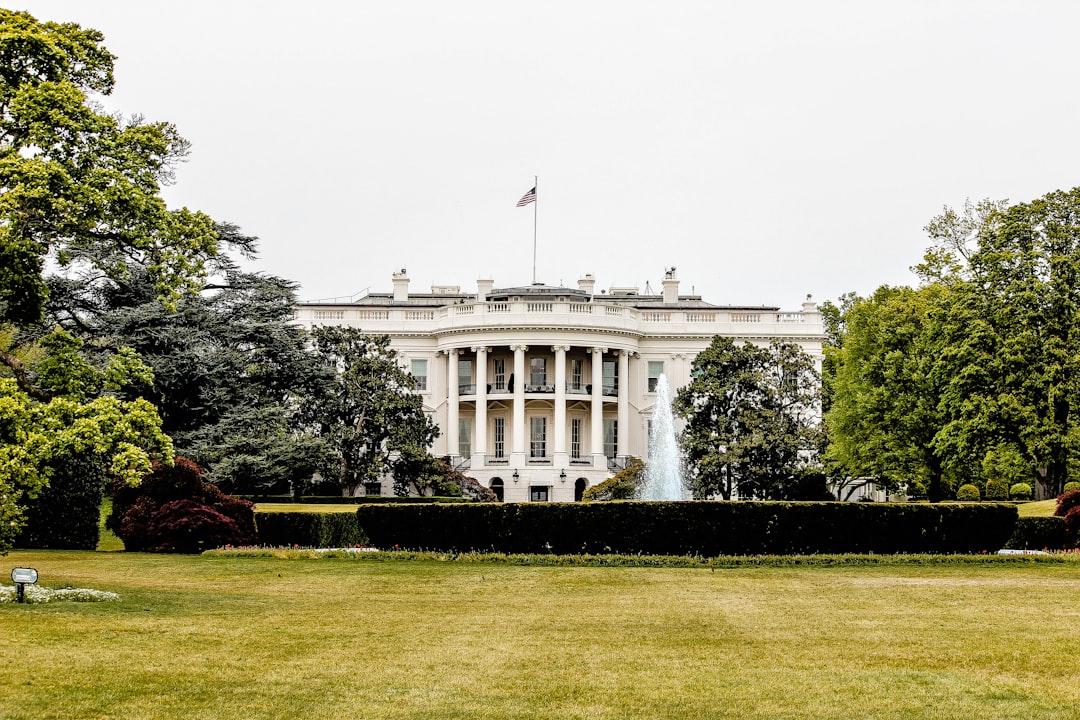
The White House is considering a new policy that requires vetting of AI models before they are released. This marks a significant shift in how AI technology is governed and raises questions about oversight and innovation.


Policy Shift on AI Oversight
The White House is considering implementing a vetting process for artificial intelligence models before they are made public. This potential policy shift comes after years of a largely hands-off approach to AI regulation. According to reports, the administration is motivated by concerns over the rapid development of AI technologies and their potential societal impacts.
As AI systems become more integrated into daily life, the need for oversight has grown. The Trump administration, which previously favored minimal intervention, is now re-evaluating its stance. This change indicates a recognition of the risks posed by unregulated AI deployment, especially as incidents involving AI-generated misinformation and bias have increased.
According to usnews.com, the proposed vetting process would require developers to submit their AI models for review before release. This could include assessments of safety, ethical implications, and potential biases. Such a regulatory framework aims to ensure that AI technologies align with public interest and safety standards.
Concerns Driving the Discussion
Several factors are pushing the White House to consider this new vetting process. High-profile cases of AI misuse have raised alarms about the technology’s potential to harm society. For instance, AI-generated content has been linked to misinformation campaigns that can influence public opinion and elections.
Furthermore, ethical concerns surrounding AI bias have come to the forefront. Reports from ndtv.com highlight how AI systems can perpetuate existing biases if not properly managed. This has led to calls for more stringent oversight to ensure that AI technologies are developed responsibly and do not reinforce societal inequalities.
Moreover, as AI becomes more prevalent in sectors like healthcare, finance, and law enforcement, the stakes are higher. The implications of deploying flawed or biased AI systems can be severe, affecting people’s lives and livelihoods. The White House’s consideration of vetting reflects a growing recognition of these risks.
Other countries are also grappling with how to regulate AI technologies effectively.
Global Reactions and Comparisons
You may also like
 Government & Policy
Why Rising Instrument Prices Endanger School Music Education
Rising tariffs on musical instruments are significantly increasing costs for school music programs, putting their viability at risk. Career Ahead's analysis identifies potential funding strategies…
Read More →The discussion around AI vetting is not unique to the United States. Other countries are also grappling with how to regulate AI technologies effectively. For example, the European Union has proposed its own set of regulations aimed at governing AI use, focusing on transparency and accountability.
Comparatively, the U.S. approach has been more fragmented, with various states implementing their own regulations. However, the potential federal vetting process could unify the regulatory landscape across the country. According to tomshardware.com, this would mark a significant shift in how AI is governed in the U.S., potentially leading to a more cohesive national strategy.
Internationally, there is a growing consensus on the need for responsible AI governance. As countries begin to establish their own frameworks, the U.S. might find itself at a crossroads, balancing innovation with safety and ethical considerations.

Implications for Developers and Innovators
If the White House moves forward with the vetting process, it will have profound implications for AI developers and companies. They will need to adapt to new regulatory requirements, which could involve additional costs and delays in bringing products to market. The process of vetting could slow down innovation, as developers navigate the complexities of compliance.
They will need to adapt to new regulatory requirements, which could involve additional costs and delays in bringing products to market.
However, there is also an argument to be made for the benefits of such oversight. By ensuring that AI technologies are safe and ethical, developers can build trust with consumers and stakeholders. This could ultimately lead to a more robust market for AI solutions, as users feel more confident in the technologies they are adopting.
Moreover, as the landscape of AI governance evolves, companies that proactively engage with these regulations may find themselves at a competitive advantage. Being seen as responsible and compliant can enhance a company’s reputation and appeal to a more socially conscious consumer base.
Challenges Ahead
You may also like
 AI & Technology
Universities grapple with funding squeeze and tech‑driven redesign
Institutions that embed analytics into decision‑making are already seeing enrollment volatility.
Read More →Implementing a vetting process for AI models is not without its challenges. One significant concern is the potential for bureaucratic delays that could stifle innovation. Developers may face hurdles in getting their models approved, leading to frustration and a slowdown in technological advancement.
Additionally, defining the criteria for vetting presents another challenge. What standards will be used to evaluate AI models? How will the government ensure that the process is fair and transparent? These questions remain unanswered and will require careful consideration as discussions progress.
Furthermore, there is the risk of over-regulation, which could drive developers to other countries with less stringent rules. This could hinder the U.S. from maintaining its competitive edge in the global AI market. Balancing regulation with innovation will be crucial as policymakers move forward.
With AI’s influence set to grow, the need for effective governance will only increase.
Looking to the Future of AI Governance
The potential for a vetting process marks a pivotal moment in AI governance. As discussions unfold, the implications for technology, society, and the economy will be significant. The balance between innovation and safety will be a central theme as policymakers navigate this complex landscape.
With AI’s influence set to grow, the need for effective governance will only increase. The outcome of this proposed vetting process could set a precedent for how AI is managed in the future. Will the U.S. lead the way in responsible AI development, or will it fall behind as other nations take the initiative?
As the conversation around AI regulation continues, stakeholders from various sectors will need to engage. The future of AI governance will depend on collaboration between government, industry, and civil society to ensure that technology serves the public good.
You may also like
 Government & Policy
ITAT Ruling Clears Businessman of Tax Penalty via Relative’s Job
The ITAT ruled in favor of Gupta after he explained that the foreign currency discovered in his home belonged to his sister-in-law, Kemp, who worked…
Read More →