No products in the cart.

Why Around 94,000 Govt Schools Closed In A Decade
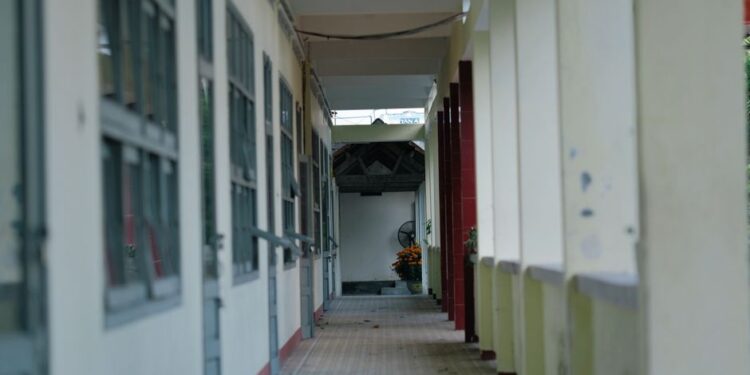
India has witnessed a significant decline in government schools, with approximately 94,000 closures over the past decade, raising concerns about educational access and equity.

India has seen a significant decline in government schools, with approximately 94,000 closures over the past decade. This alarming trend, highlighted in a recent report by NITI Aayog, indicates that nearly 25 schools shut down every day. The total number of government schools fell from 11.07 lakh in 2014-15 to 10.17 lakh in 2023-24, raising serious concerns about access to education and equity.
As government schools decrease, their share of total student enrollment has also dropped sharply. In 2005, government schools accounted for 71% of student enrollment; by the 2024-25 academic year, this figure fell to 49.24%. This shift worries education policy analysts and school administrators, reflecting broader trends in the education sector.
Consequences for Education Funding
The closure of government schools has serious implications for education funding and resource distribution in India. With fewer schools, financial resources may increasingly favor private institutions, which often charge fees, making them less accessible to all students. This trend raises questions about the sustainability of public education systems and their ability to serve all students, particularly those from disadvantaged backgrounds.
A World Bank report states that increasing privatization of education can widen the gap in educational quality. Families with financial means may opt for private schooling, leaving those without resources with fewer public options. An analysis of NITI Aayog data shows that the decline in government schools coincides with a rise in private school enrollment.
As families turn to private institutions, the government may feel pressure to boost funding for public schools, potentially reallocating resources in a way that further marginalizes students who depend on government schools. The PwC Education Sector Analysis indicates that this trend reflects not just family choice but also perceived quality and outcomes associated with private institutions.
A World Bank report states that increasing privatization of education can widen the gap in educational quality.
You may also like
 Education & University Insights
Financial Literacy Resources for Kids’ Saving Skills
As financial literacy becomes crucial for young learners, several government-backed programs are now available to teach children about saving and investing. This article explores five…
Read More →The reduction in government schools could exacerbate existing inequalities in the education system. Rural areas often lack access to quality private schools, leading to increased dropout rates as students travel longer distances to attend school. This situation is particularly concerning for girls and children from marginalized communities, who may face additional barriers to education. The NITI Aayog report emphasizes that the decline in government schools will likely impact these vulnerable groups the most, deepening social inequalities.
The decline in government schools threatens the principles of the Right to Education Act, which guarantees free and compulsory education for children aged 6 to 14. As government schools decrease, ensuring all children have access to quality education becomes increasingly challenging. The World Bank’s education data highlights that access is not just about enrollment figures but also about the quality of education, which is at risk due to the shrinking public school system.
Impact on Teacher Employment
The closure of government schools has significantly altered teacher employment opportunities. As schools shut down, many teachers find themselves without jobs or must relocate to areas with fewer opportunities. This trend raises concerns about job security for educators and the overall quality of education in remaining schools. According to NITI Aayog data, the number of teachers in India has reached over 1.01 crore. However, the decline in government schools means many of these teachers may face unemployment or underemployment.
This situation is troubling, especially as the demand for quality educators remains high in rural and underserved areas. Moreover, the shift toward private education may create a divide in teacher qualifications and training, with private schools prioritizing specific credentials, leaving many qualified educators from government schools at a disadvantage. This disparity could affect the quality of education students receive, perpetuating inequalities in the education system.
The PwC report highlights that the quality of teaching staff is crucial for educational outcomes. As the education landscape shifts, the qualifications of teachers in private versus government schools may diverge significantly. Policymakers and education stakeholders must consider the implications of these changes on teacher employment and education quality. Innovative solutions are needed to ensure all students have access to qualified educators. The NITI Aayog report suggests investing in teacher training and professional development to maintain educational standards amid declining government school numbers.
This shift raises critical questions about the future of public education and access to quality education for all students.
Shifts in Student Enrollment Patterns
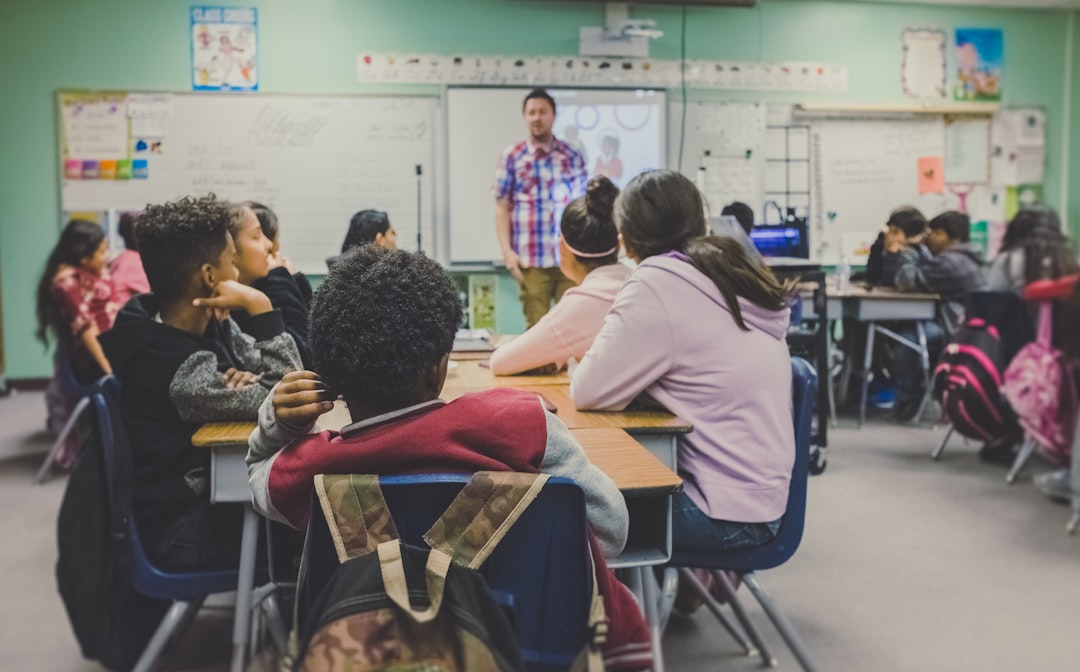
The decline in government schools has caused a notable shift in student enrollment trends across India. As government schools close, families increasingly turn to private institutions. Enrollment in private schools rose from 2.88 lakh in 2014-15 to 3.31 lakh in 2023-24. This shift raises critical questions about the future of public education and access to quality education for all students. Data from NITI Aayog indicates that enrollment among students aged 3 to 11 years fell by nearly 25 lakh in the 2024-25 academic year compared to the previous year, raising concerns that many young children may miss out on foundational education crucial for their long-term success.
You may also like
 Education & University Insights
Cornell Students Call for Change | Career Outlook
At a passionate public meeting at Cornell University, students demanded accountability for the university's handling of a sexual assault case, reflecting a growing wave of…
Read More →While overall enrollment in government schools has decreased, female enrollment has increased, with girls now representing 48.3% of total school students. This trend shows progress toward gender equity in education, but it does not lessen the challenges posed by the overall decline in government schools. As enrollment trends evolve, education policy analysts must monitor these changes and their implications for the future of education in India. The growing reliance on private schools may create a dual education system, where access to quality education depends on a family’s economic status, further entrenching social inequalities.
Addressing the Challenges Ahead
The future of public education in India remains uncertain. With the continued closure of government schools and the rise of private institutions, policymakers must address these challenges. It is crucial to ensure all students have access to quality education, regardless of their economic background.
Frequently Asked Questions
What factors contributed to the closure of government schools?
Factors such as declining enrollment, increased migration to urban areas, and the rise of private education have all contributed to the closure of about 94,000 government schools over the past decade.
Education policy analysts should consider how these closures affect access to quality education, resource allocation, and the potential for increasing inequalities in the education system.

How will the decline in government schools affect teacher job security?
The decline in government schools may lead to job insecurity for many teachers, as fewer positions will be available, resulting in many qualified educators competing for limited roles in the remaining schools.
What should education policy analysts consider in light of these school closures?
Education policy analysts should consider how these closures affect access to quality education, resource allocation, and the potential for increasing inequalities in the education system. Monitoring enrollment trends and their impact on vulnerable populations will be essential.
You may also like
 Education & University Insights
Chambal ‘Baaghi’ Legacy to IIT and Global Career Success
Dev Prabhakar Singh Tomar's journey from a Chambal village to securing AIR 629 in the UPSC Civil Services Examination exemplifies resilience and determination among Indian…
Read More →