No products in the cart.

Why Industry Experience is Losing Its Power in the Age of AI
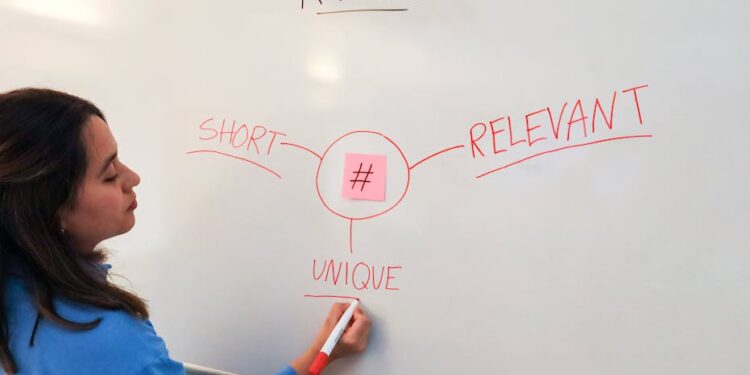
Explore how AI is redefining expertise, making adaptability and innovation more valuable than traditional industry experience.

“`html
The Rise of AI: redefining Expertise
When a senior executive from Google DeepMind spoke in Bangalore last month, the audience expected insights on quantum breakthroughs or proprietary algorithms. Instead, the focus was on how artificial intelligence is making expertise more accessible. In India, AI-driven platforms, from code generators to low-code analytics, empower users with basic training to tackle problems that once needed years of specialized study. Knowledge that was once exclusive is now just a click away, diminishing the authority of traditional experts.
Two main factors contribute to this shift. First, AI democratizes expertise by integrating advanced models into everyday tools. A small business owner can now upload a spreadsheet and receive predictive insights that previously required a data scientist. A junior engineer can ask an AI for design suggestions based on millions of past projects. The gap between “knowing how” and “doing” is closing, eroding the hierarchy that once elevated senior practitioners.
Second, the emergence of hybrid expertise—a blend of human judgment and machine intelligence—creates a new professional role. Instead of competing with algorithms, experienced professionals learn to assess AI outputs, align them with context, and turn them into actionable strategies. In this model, the value of experience lies in asking the right questions, not just in memorizing procedures. The executive emphasized that the future favors those who can navigate between intuition and algorithmic insight, rather than just those with years of experience.
Experience vs. Innovation: The New Paradigm
Adaptability Outpaces Tenure
Traditionally, career advancement rewarded longevity. A decade in a role signified mastery and often led to promotions. Today, AI automates routine tasks like analyses and report generation. As these tasks disappear, adaptability becomes crucial—the ability to pivot, re-skill, and combine diverse data into innovative solutions. A senior marketer must now interpret real-time audience data from AI, adjusting campaigns accordingly. Deep product knowledge must now be paired with skills in prompt engineering, data storytelling, and rapid experimentation.
From Expertise to Innovation
The shift from expertise to innovation is evident in hiring trends across tech hubs. Companies now seek candidates with “design thinking” and “AI fluency” alongside traditional qualifications. The logic is clear: AI can replicate known solutions but cannot generate truly disruptive ideas without human guidance. Professionals who understand market dynamics and leverage large language models become key drivers of growth.
Professionals who understand market dynamics and leverage large language models become key drivers of growth.
Thinking like a product manager—identifying pain points, prototyping, testing, and iterating—is now as vital as mastering technical skills. Corporate training programs now emphasize “innovation labs” over “process compliance.” In this landscape, veterans who cling to outdated methods risk becoming obsolete, while newcomers who embrace continuous experimentation can quickly gain influence.
You may also like
 Industry & Global Trends
Cygni Energy, Indus Towers Unite for Telecom Energy Storage
Cygni Energy and Indus Towers have signed a Memorandum of Understanding to develop energy storage solutions for telecom infrastructure, marking a significant step towards sustainability…
Read More →Navigating a Future Where Expertise Is Fluid
Lifelong Learning as a Survival Strategy
As AI advances, professionals must adopt lifelong learning as a daily practice. Micro-credential platforms, open-source tutorials, and AI-curated learning paths facilitate rapid upskilling. For example, a finance analyst can spend an hour weekly learning prompt design for generative models, applying those skills to create scenario analyses that would have taken days.
Beyond formal education, “learning in the flow of work” is gaining traction. AI assistants can surface relevant articles, suggest methodologies, and highlight emerging standards without disrupting workflows. By treating each interaction as a learning opportunity, professionals can turn their workplaces into ongoing classrooms.
Network Capital in an Algorithmic Era
Even as AI democratizes information, human networks remain crucial. Peer groups, mentorship circles, and cross-functional communities help filter the vast amount of AI-generated content. A well-curated network enables professionals to discern which algorithmic recommendations align with strategic goals and which are irrelevant.
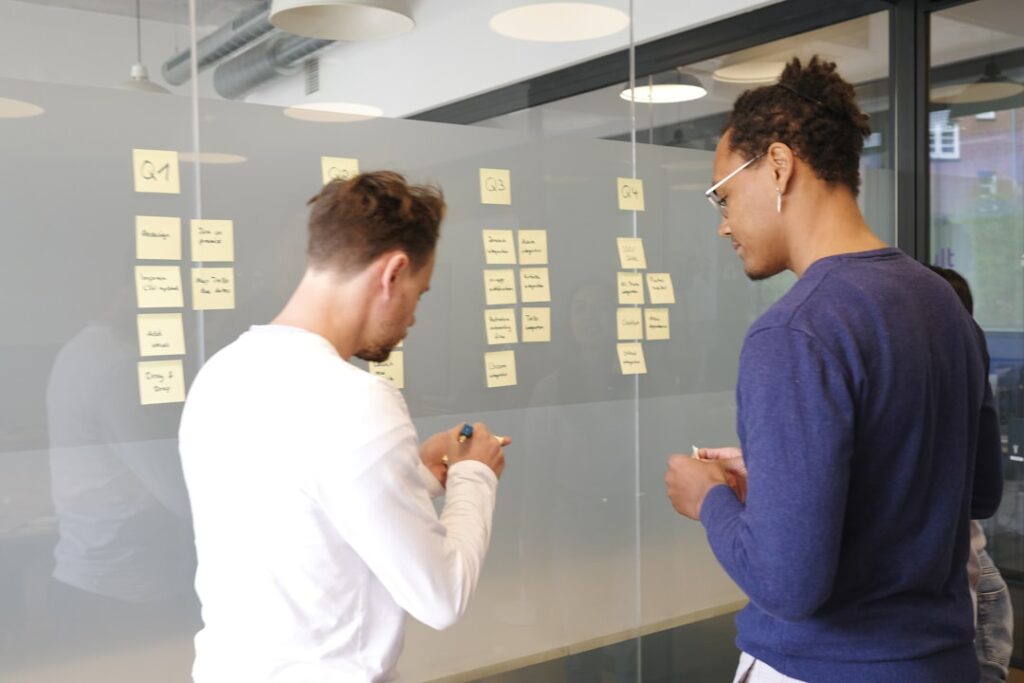
Building such networks no longer depends on geography. Virtual think tanks, industry hackathons, and open-source collaborations connect talent globally. Contributing to a shared AI model—by providing feedback, annotating data, or co-authoring prompts—builds a reputation that goes beyond any single résumé entry.
When a product team finds that an AI-generated prototype doesn’t meet user expectations, they view it as a learning opportunity, not a setback.
Growth Mindset: Embracing Uncertainty
Thriving in a fluid expertise landscape requires a growth mindset—the belief that abilities can be developed through effort and reflection. This mindset encourages professionals to experiment with AI tools, learn from failures, and iterate based on real outcomes. When a product team finds that an AI-generated prototype doesn’t meet user expectations, they view it as a learning opportunity, not a setback.
Organizations that integrate this philosophy into performance metrics see higher engagement with AI initiatives. Employees who feel safe questioning model outputs and proposing alternatives become catalysts for hybrid innovation, transforming the perceived threat of automation into a collaborative advantage.
You may also like
 AI & Technology
Beam Unveils Affordable AI Model to Disrupt Competitors
Reflection AI's Beam model, launched on October 5, 2026, is set to disrupt the AI market by offering a cost-efficient alternative to leading Chinese models.…
Read More →Strategic Perspective: Charting the Long-Term Course
The decline of traditional expertise does not signal a future without human relevance; instead, it reallocates human capital toward higher-level thinking. As AI becomes the “knowledge engine,” humans transition to “knowledge curators.” This shift requires a strategic outlook that anticipates which tasks will be automated and where new value will emerge.
Industries that have valued seniority—like law, medicine, and engineering—are already testing AI-augmented decision-making frameworks. In these fields, defining the limits of machine authority and establishing human oversight processes is crucial. Professionals who shape these boundaries will have influence beyond their original specialties.
From a macroeconomic perspective, the spread of AI-driven expertise levels the playing field. Smaller firms, once limited by talent shortages, can now access analytical capabilities similar to those of large corporations. However, this democratization also increases competition for talent that can bridge the human-machine divide. The labor market will favor those who continuously enhance their interdisciplinary skills, combining domain knowledge with AI literacy.
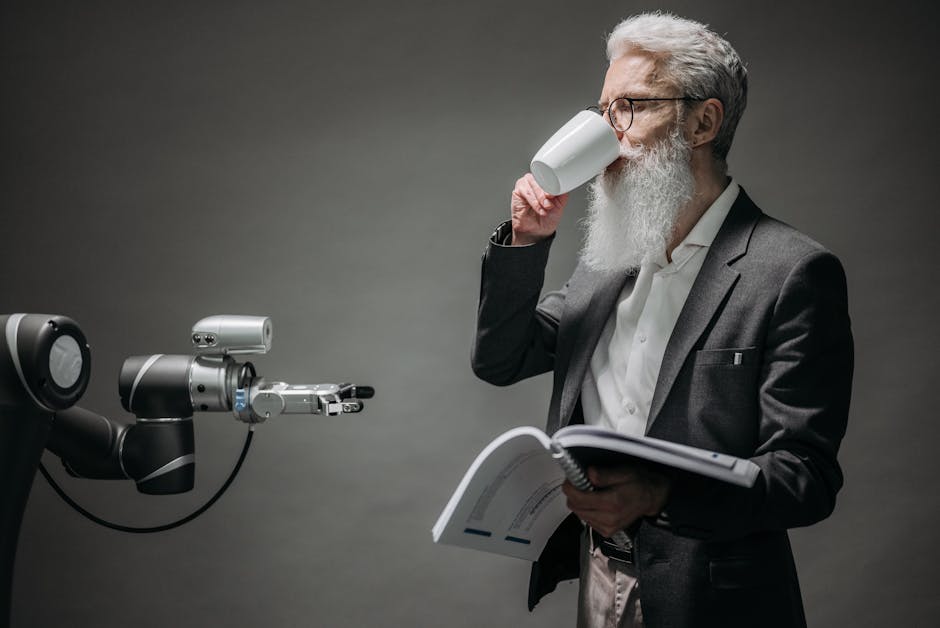
The next wave of career growth will hinge on orchestrating this partnership—asking the right questions, challenging assumptions, and translating machine-derived insights into human impact.
Beyond the Horizon: Reimagining the Value of Human Insight
As the AI landscape evolves, the most compelling professional stories will showcase collaboration rather than competition. Picture a climate scientist using a generative model to simulate thousands of emission scenarios quickly, then applying years of experience to interpret the results for policymakers. The scientist’s expertise becomes a dynamic lens that enhances the value of algorithmic output.
The next wave of career growth will hinge on orchestrating this partnership—asking the right questions, challenging assumptions, and translating machine-derived insights into human impact. In this future, expertise is not a badge earned through years of service; it is a living practice, continually refreshed by AI and curiosity.
You may also like
 AI & Technology
A.I. Boom Defies High Interest Rates, Challenges Fed
In the last quarter, AI startups attracted over $10 billion in venture capital, a figure that highlights the ongoing investor interest despite economic headwinds.
Read More →<img width="940" height="628" src="https://careeraheadonline.com/wp-content/uploads/2026/03/8636614.jpg" class="oaa-inline-image