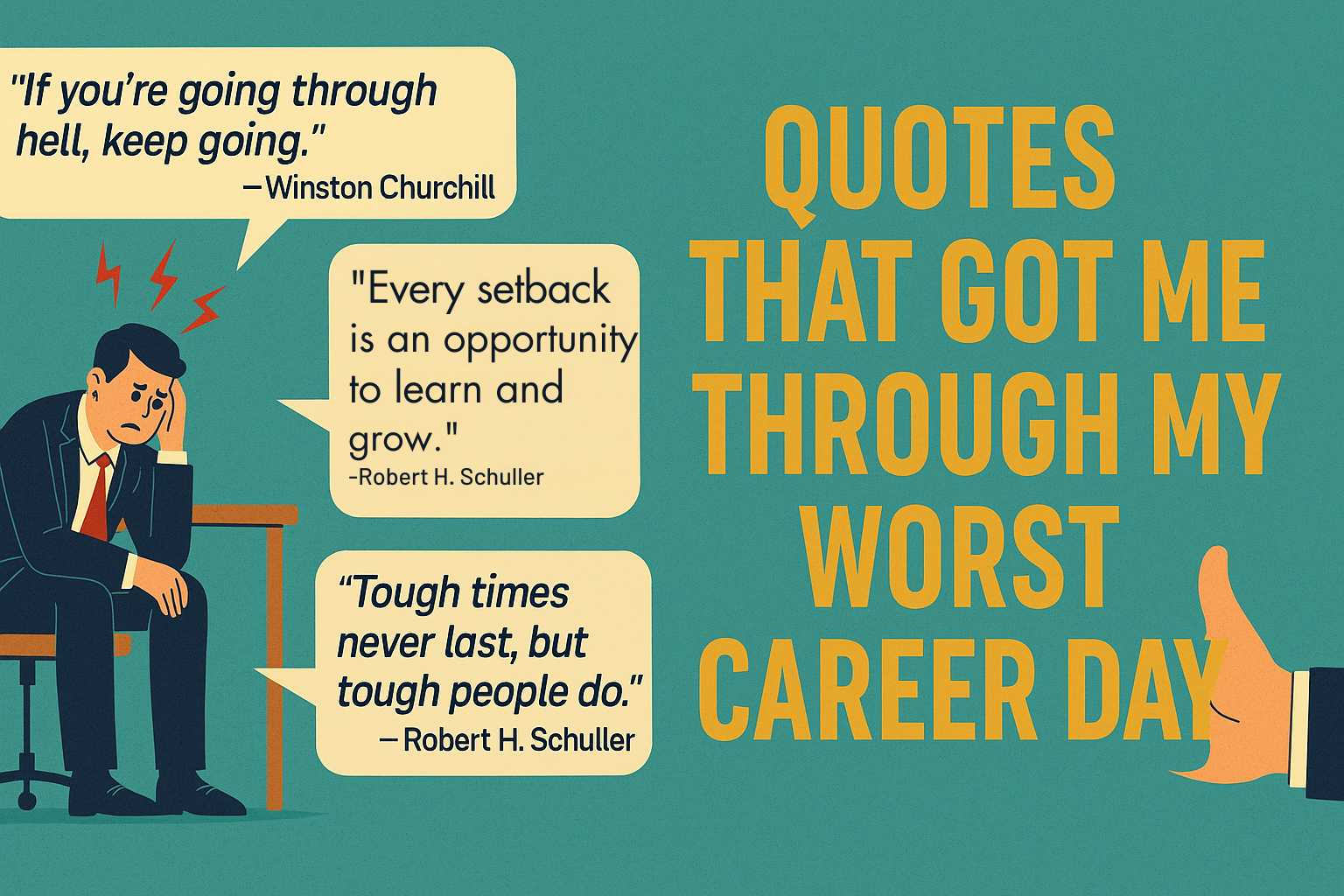
The post‑pandemic surge in anxiety and depression has forced firms to embed mental‑health scaffolds into every layer of talent development, turning resilience from an individual trait into an institutional asset.
Macro Landscape of Global Mental Health
The World Health Organization recorded a 25 % rise in diagnosed anxiety and depressive disorders between 2020 and 2025, translating into an estimated $2.5 trillion loss in global productivity each year [1][2]. Unlike the occupational‑safety reforms of the 1970s, which responded to physical injury spikes, the current mental‑health wave is altering the very calculus of economic mobility. Workers now evaluate career moves against the backdrop of institutional support for psychological wellbeing, a factor that correlates with retention rates at a magnitude comparable to compensation [2].
Corporate boardrooms have responded with measurable budget reallocations. A 2025 survey of Indian enterprises shows that 75 % increased mental‑health spending, with average allocations rising from 0.5 % to 2.1 % of total HR budgets [1]. Similar trends appear in Europe and North America, where the World Economic Forum reports that 68 % of Fortune 500 firms have integrated mental‑health KPIs into executive scorecards [2]. The macro shift signals a redefinition of resilience: from a personal coping mechanism to a systemic capacity that sustains organizational performance under chronic stress.
Redefining Resilience: Institutional Mechanisms

Expanded Definition
Traditional resilience models emphasized physical stamina and short‑term stress tolerance. Recent corporate health studies now embed emotional regulation, neuro‑cognitive flexibility, and social connectedness into the resilience construct [2]. The “Great Wellbeing Shift” study quantifies this expansion: 62 % of surveyed firms now list “psychological agility” alongside “physical fitness” as a core competency [2].
Training Architecture
Corporate learning platforms have been retrofitted with mental‑health modules that blend evidence‑based stress‑reduction techniques, mindfulness, and emotional‑intelligence (EI) coaching. For instance, Infosys’ “Mindful Leadership” curriculum, launched in 2024, mandates 12 hours of EI training for all senior managers and reports a 14 % reduction in absenteeism among participants [1]. At the same time, multinational firms such as Unilever have embedded micro‑learning bursts—five‑minute “Resilience Refreshers”—into their LMS, leveraging analytics to personalize content based on biometric stress indicators collected via wearables.
Training Architecture Corporate learning platforms have been retrofitted with mental‑health modules that blend evidence‑based stress‑reduction techniques, mindfulness, and emotional‑intelligence (EI) coaching.
Leadership as Institutional Leverage
 Career Guidance
Gujarat Boosts Teachers with Career Guidance Training
Gujarat has initiated a comprehensive training program for teachers aimed at enhancing their ability to guide students in making informed career choices, addressing a critical…
Read More →Leadership behavior now functions as a structural lever for mental‑health outcomes. A People Matters survey indicates that 80 % of employees consider managerial support a decisive factor in their mental‑wellbeing, and firms that score above 4.5 on a “Managerial Empathy Index” experience a 22 % higher internal promotion rate [2]. This asymmetry reflects a shift from hierarchical command to relational stewardship, where the leader’s role includes curating psychological safety nets that protect career capital.
Systemic Ripple Effects Across Corporate Architecture
Cultural Reorientation
The mental‑health surge has accelerated a cultural pivot toward empathy‑driven workplaces. Compared with the “productivity‑first” ethos of the 1990s, current corporate cultures allocate 18 % more budget to employee experience initiatives, a figure that correlates with a 9 % rise in employee Net Promoter Scores across the S&P 500 [2]. This reorientation is institutionalized through formal policies: mandatory “Wellbeing Days,” transparent mental‑health leave protocols, and peer‑support networks embedded within internal communication tools.
Technology Integration
Digital therapeutics have moved from peripheral benefits to core training infrastructure. By 2025, 60 % of Indian firms reported deploying mental‑health apps that integrate cognitive‑behavioral modules with AI‑driven sentiment analysis [1]. Virtual‑reality (VR) simulations are being used to rehearse high‑stress scenarios—such as crisis negotiations—allowing employees to practice physiological regulation in a low‑risk environment. These tools generate data streams that feed into talent‑analytics dashboards, enabling HR to predict burnout risk and intervene before career trajectories are derailed.
Intersection with DEI
Mental‑health strategies intersect with diversity, equity, and inclusion (DEI) initiatives, reinforcing structural equity. The “Great Wellbeing Shift” found that companies with integrated DEI‑mental‑health frameworks report a 31 % lower turnover among underrepresented groups [2]. By embedding culturally competent counseling and language‑specific resources, firms mitigate the compounded stressors that marginalized employees face, thereby expanding the pool of talent eligible for upward mobility.
This dynamic reshapes career capital: workers prioritize employers that safeguard psychological health, translating into a talent premium for firms with robust wellbeing ecosystems.
Human Capital Reallocation and Career Trajectories

Retention and Career Capital
Employee turnover linked to unmet mental‑health needs now rivals compensation‑driven exits. Fifty percent of respondents in the People Matters survey indicated they would leave their organization if mental‑health accommodations were insufficient [2]. This dynamic reshapes career capital: workers prioritize employers that safeguard psychological health, translating into a talent premium for firms with robust wellbeing ecosystems. In practice, this premium manifests as a 4‑point wage differential for employees in firms scoring above the industry median on mental‑health index scores.
 Career Tips
Corporate Health Cover: Risks of Overdependence
Relying solely on corporate health insurance can expose employees to significant risks, especially during job transitions or retirement. This article explores the limitations of corporate…
Read More →ROI and institutional power
The World Economic Forum quantifies a 3:1 return on investment for each dollar spent on mental‑health programs, driven by reduced absenteeism, lower health‑care claims, and higher productivity [2]. This ROI validates mental‑health spending as a lever of institutional power: CEOs who champion wellbeing gain board credibility and influence strategic capital allocation. Moreover, the financial justification accelerates the diffusion of resilience‑centric training across supply‑chain partners, extending the systemic impact beyond the immediate employer.
Career Pathways and Mobility
The integration of mental‑health competencies into performance metrics creates new career pathways. Roles such as “Resilience Architect” and “Wellbeing Data Scientist” have emerged in the past two years, offering high‑skill, high‑pay opportunities that were previously absent. These positions enable employees to convert personal coping skills into marketable institutional assets, enhancing upward mobility for those who can navigate the new skill matrix.
Projection: Structural Trajectory to 2030
If the current trajectory persists, resilience will become a core operating system for corporations, akin to digital transformation in the 2010s. By 2030, we can expect:
- Standardized Resilience Benchmarks – Industry bodies such as the International Labour Organization will codify resilience metrics, making them a reporting requirement for ESG disclosures.
- Embedded Mental‑Health Analytics – Real‑time stress indicators will be integrated into workforce planning tools, allowing firms to allocate project assignments based on psychological load balancing.
- Talent Market Segmentation – Recruiters will segment candidates by resilience profiles, with psychometric resilience scores influencing interview pipelines and compensation packages.
These systemic shifts will cement mental‑health infrastructure as a determinant of career capital, reshaping economic mobility pathways for an entire generation of workers.
These systemic shifts will cement mental‑health infrastructure as a determinant of career capital, reshaping economic mobility pathways for an entire generation of workers.
Key Structural Insights
- The elevation of resilience from an individual trait to an institutional asset reflects a systemic reallocation of capital toward psychological safety, directly influencing talent retention and productivity.
- Leadership’s role in institutionalizing mental‑health practices creates an asymmetric advantage for firms that embed empathy metrics into executive compensation, reshaping power dynamics within corporate hierarchies.
- As digital therapeutics become embedded in talent‑analytics ecosystems, future career trajectories will be calibrated by measurable resilience data, redefining the criteria for economic mobility.
Written by Career Ahead AI. AI can make mistakes, so verify key facts. Report errors to support@careeraheadonline.com.