No products in the cart.

Why Interactive Avatars Are Transforming Digital Communication
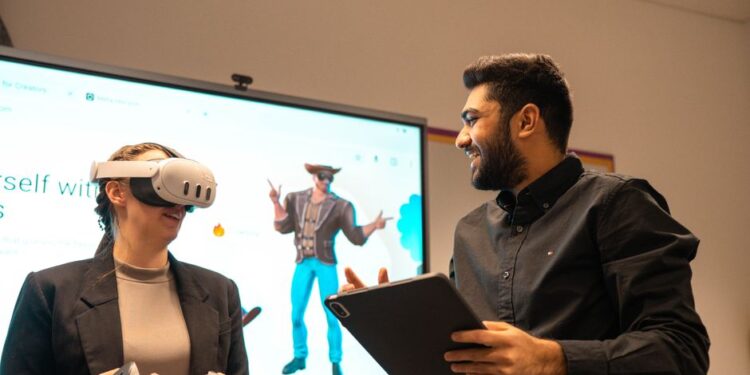
The advent of interactive digital avatars marks a significant shift in user engagement strategies across various platforms. As companies like Synthesia innovate, understanding their applications becomes crucial for digital avatar developers and interactive media artists.

Synthesia recently unveiled an interactive digital avatar that has caught the attention of media and marketing professionals. This innovation lets users engage with a digital version of themselves. It raises questions about the future of communication in digital spaces. As interactive avatars become more common, developers and artists need to understand their development and implications.
Synthesia is at the forefront of this development. The startup has gained recognition for its AI-driven avatar technology. Recently, the company showcased an avatar for journalist Dominic-Madori Davis. This avatar can respond to specific questions based on her past work. This capability highlights the technical skill behind such avatars and opens new avenues for personal branding and audience interaction.
Advancements in Interactive Avatar Technology
The technology for interactive avatars is evolving quickly. Synthesia’s platform combines various AI models to create avatars that can speak, listen, and respond to user inquiries. The system uses voice-to-text, language modeling, and text-to-voice technologies. This allows for a smooth interaction experience. The integration of AI enhances the realism of avatars and makes them more versatile.
Other platforms, like Veed.io, also contribute to this field. They offer tools that simplify the avatar creation process. Users can generate videos and avatars from simple prompts without needing extensive technical skills. This democratization of avatar technology allows more creators to engage with the medium.
The implications of these advancements go beyond individual users. Companies can use interactive avatars for training, marketing, and customer service. For example, Synthesia’s Roleplay Sessions product lets employees practice sales pitches with avatars that provide feedback. This enhances training efficiency and engages employees more interactively.
Moreover, the potential applications of interactive avatars in marketing are significant. Brands can create personalized experiences for customers using avatars to convey messages in relatable ways. As noted by LoveDigitalGift, interactive content boosts user engagement and retention, which is vital in today’s competitive digital landscape.
This shift is especially relevant in education and entertainment, where engagement is key to success.
Impact on User Interaction in Digital Media
The introduction of interactive avatars is changing user interaction across digital platforms. Users are no longer passive consumers; they can actively engage with avatars that represent real people or fictional characters. This shift is especially relevant in education and entertainment, where engagement is key to success.
In education, interactive avatars can act as tutors or guides, providing personalized learning experiences. This is especially helpful in remote learning, where face-to-face interaction is limited. By using avatars in educational platforms, institutions can create more engaging and effective learning experiences.
In entertainment, avatars can enhance storytelling by providing immersive experiences. For instance, interactive avatars can participate in video games or virtual reality environments. This allows users to interact with characters in real-time, leading to deeper emotional connections with the content and driving user loyalty.
Future Applications and Considerations Looking ahead, the potential applications for interactive avatars are vast.
However, the rise of interactive avatars also poses challenges. As users engage more with AI-driven entities, the value of human interaction may diminish. Some speculate that avatars could replace human reporters in journalism. However, the trust and authenticity that human journalists provide remain irreplaceable, suggesting a complementary rather than a complete replacement.
Future Applications and Considerations
Looking ahead, the potential applications for interactive avatars are vast. As technology evolves, we can expect more sophisticated avatars that perform complex tasks and engage in meaningful conversations. This evolution may lead to new business models and revenue streams for companies that adopt these technologies early.
Additionally, the ethical implications of using interactive avatars must be considered. As these technologies become more integrated into daily life, issues like privacy, consent, and representation will need attention. Developers and companies must ensure they use avatars responsibly and transparently, especially regarding data collection and user interaction.
The market for interactive avatars is set for significant growth, with companies like Synthesia leading the way. As more businesses recognize the value of engaging users through personalized experiences, the demand for skilled digital avatar developers and interactive media artists will increase. This shift indicates a growing job market for professionals with the skills to create and manage these avatars.
In conclusion, the rise of interactive digital avatars marks a pivotal moment in user engagement evolution. As technology advances, we must remain aware of the implications of these developments and how they shape our interactions in the digital world. Will avatars become an integral part of our online experiences, or will the novelty fade? Only time will tell.
Professionals skilled in AI technology, user interface design, and content creation will be well-positioned in this emerging job market.
Frequently Asked Questions
What tools are best for creating digital avatars?
Career Ahead analysis identifies platforms like Synthesia and Veed.io as leading tools for creating digital avatars. These platforms offer user-friendly interfaces and advanced AI capabilities, making it easier for creators to develop interactive avatars.
How can interactive avatars improve user engagement?
Interactive avatars enhance user engagement by providing personalized experiences that encourage active participation. This interaction fosters a deeper connection between users and the content, leading to increased retention and satisfaction.
What are the career opportunities in developing digital avatars?
As the demand for interactive avatars grows, career opportunities for digital avatar developers and interactive media artists are expanding. Professionals skilled in AI technology, user interface design, and content creation will be well-positioned in this emerging job market.
Written by Career Ahead AI. AI can make mistakes, so verify key facts. Report errors to support@careeraheadonline.com.